
All About Live Stakes
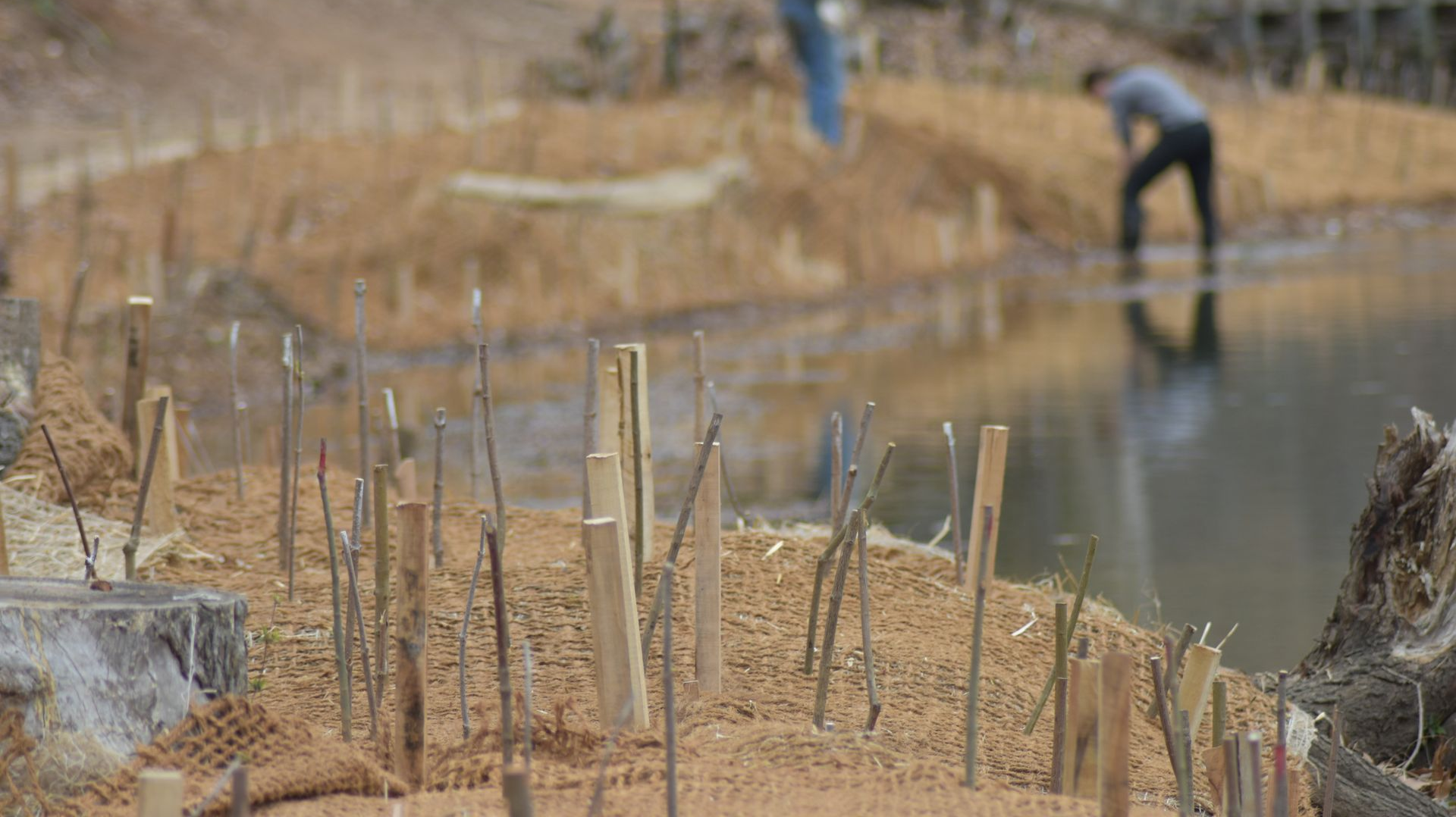
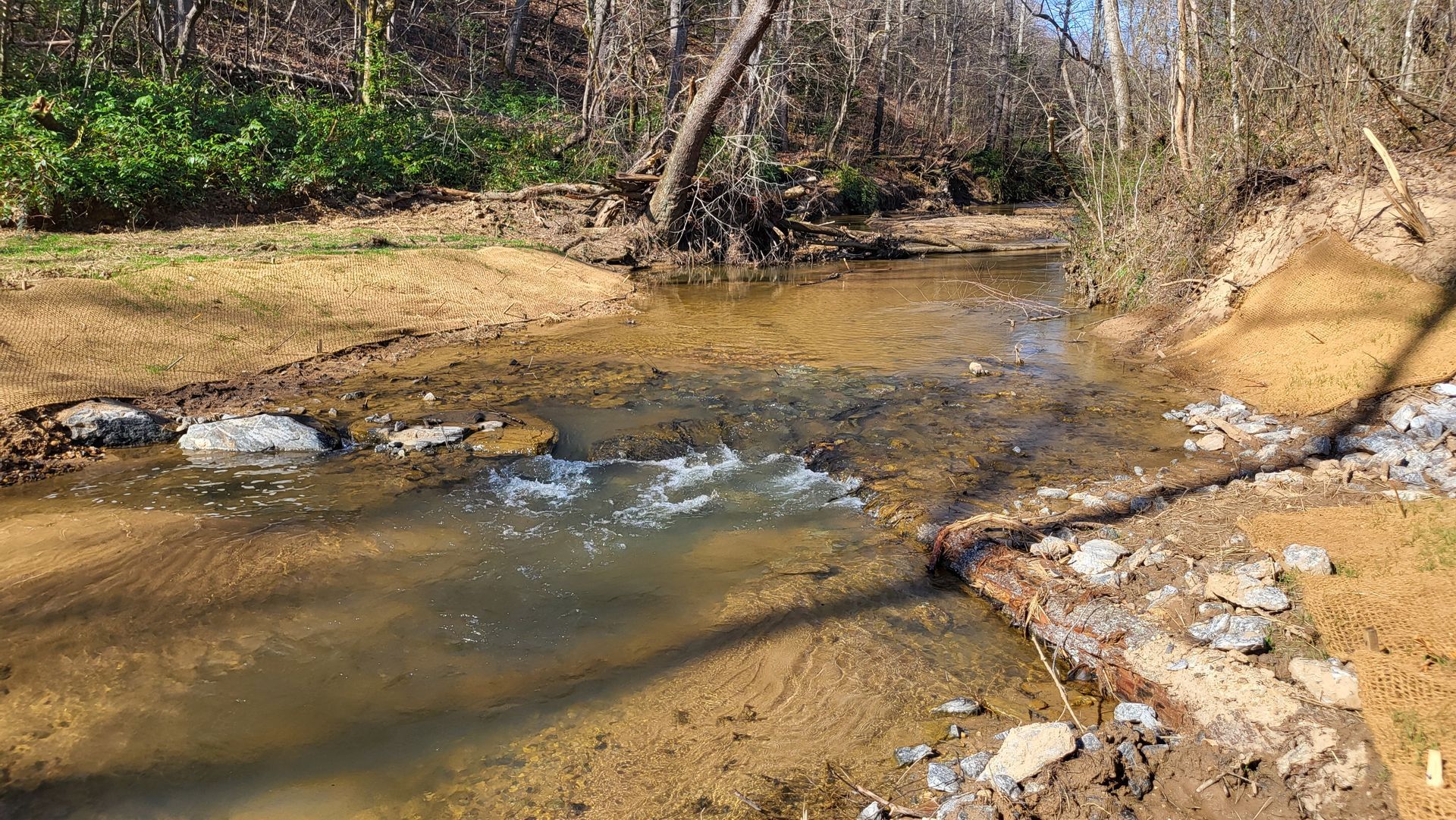
Live staking is a streambank restoration approach that reduces erosion and sediment pollution. This is the practice of planting dormant branch cuttings of native plants along streambanks (also known as riparian zones) to help hold soil in place along the waters' edge. Live stakes are planted along with native plant seeds and shrubs to create riparian buffers, which help prevent sediment from becoming a stream pollutant by securing the soil in place with good root systems. Riparian buffers also filter out other pollutants, such as chemicals, oils, fertilizers, and trash, before they enter our waterways.
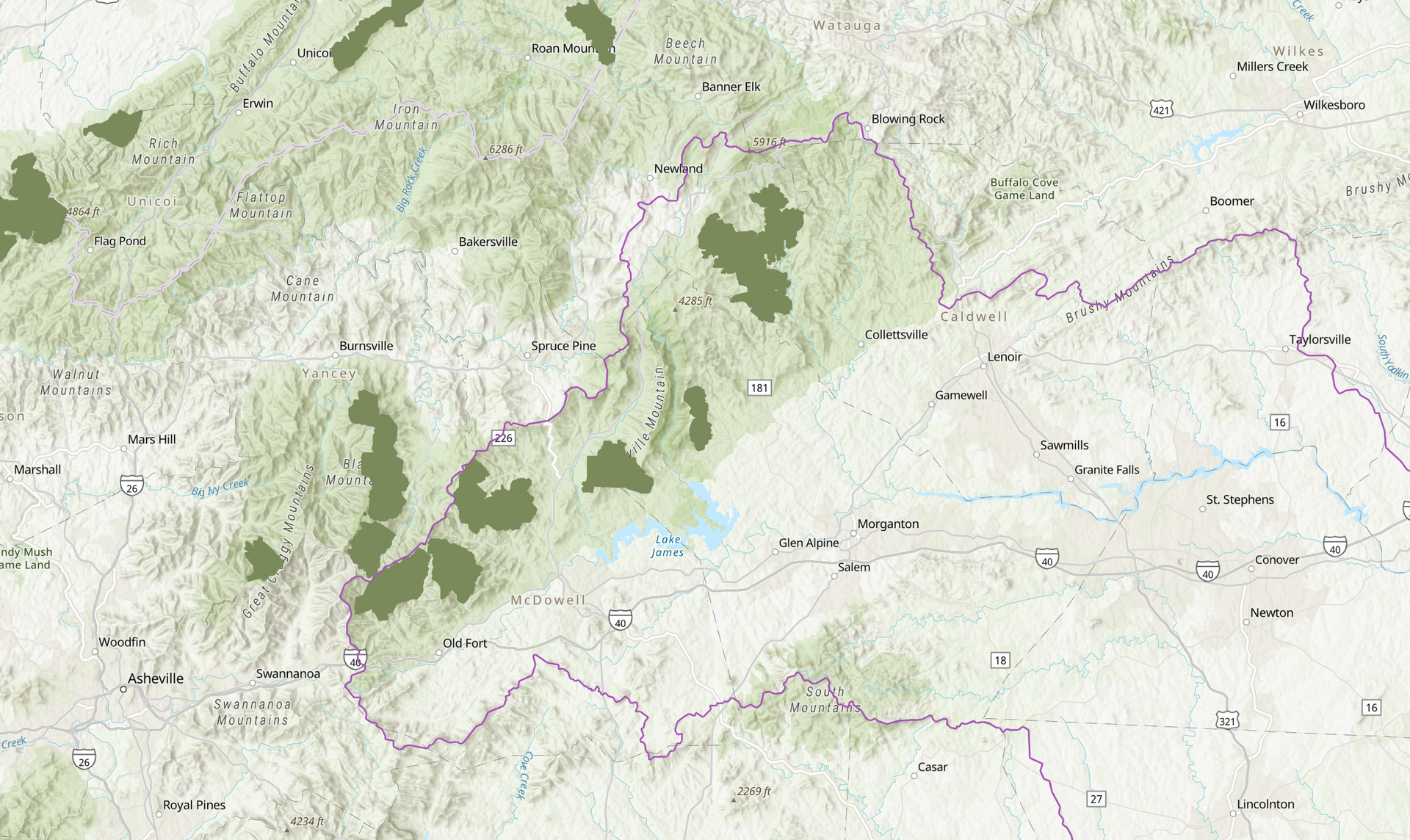
Why is it important to reduce the amount of sediment entering our waterways? Sediment pollution is a big threat to watersheds throughout North America, including in the Catawba-Wateree River basin. When too much sediment enters a river, the turbidity (or cloudiness) of the water increases. High turbidity means low light penetration and visibility in the water, making it difficult for aquatic plants to photosynthesize and aquatic animals to locate food. When sediment settles, it can blanket the streambed and make crucial habitat uninhabitable for many aquatic species. Sediment pollution can also decrease the recreational value of area, and nutrients attached to sediment can increase the growth of bacteria (such as E. coli).
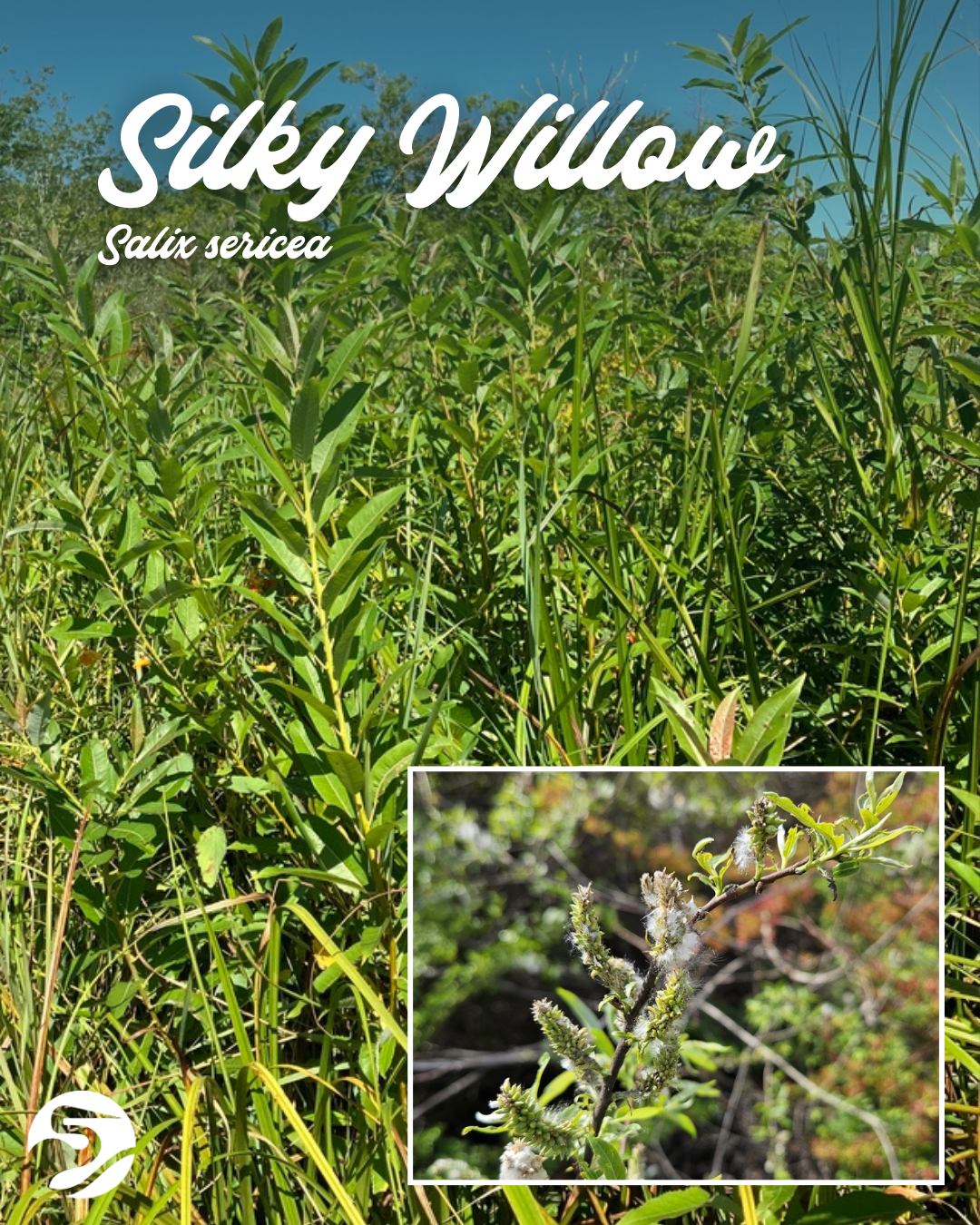
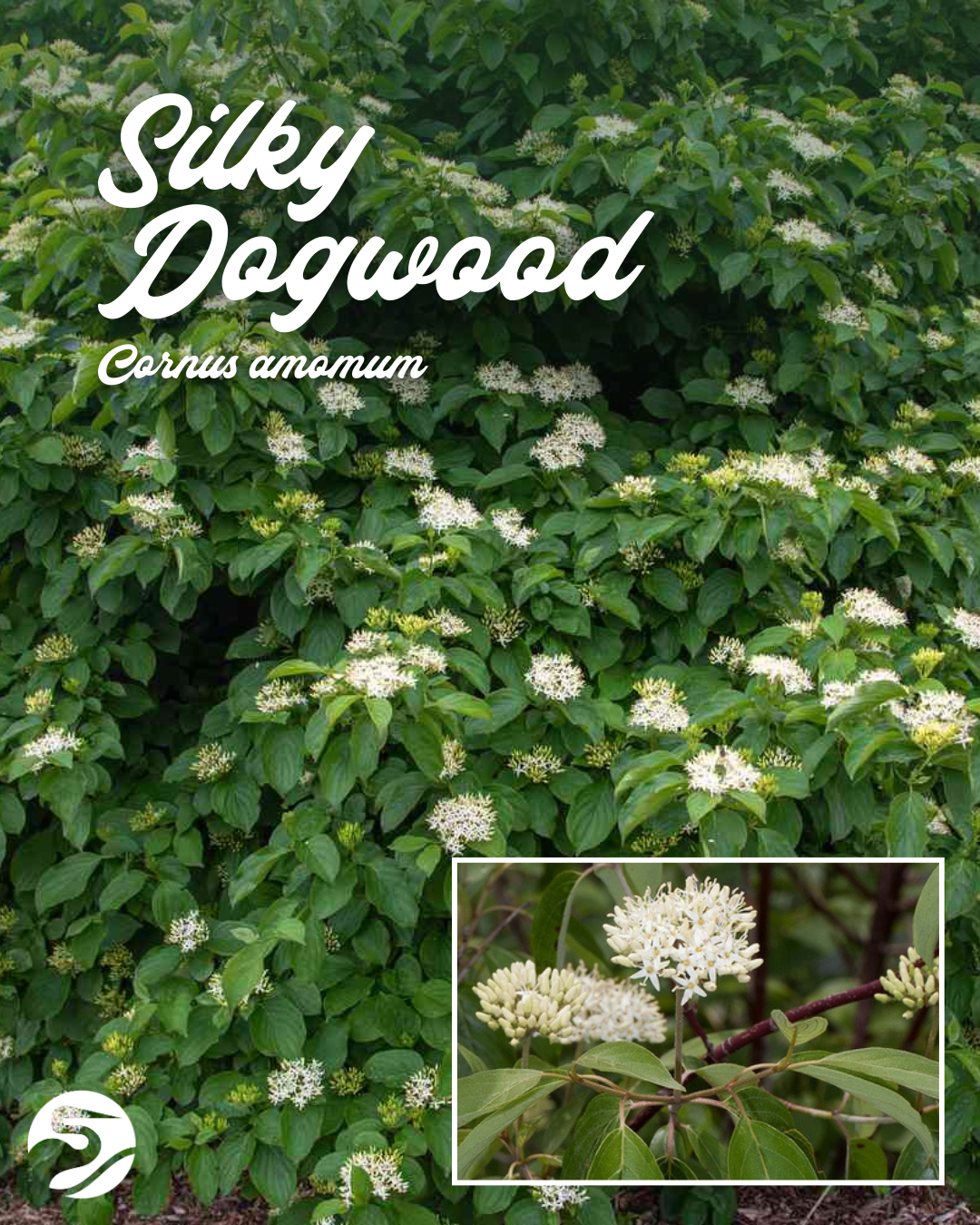
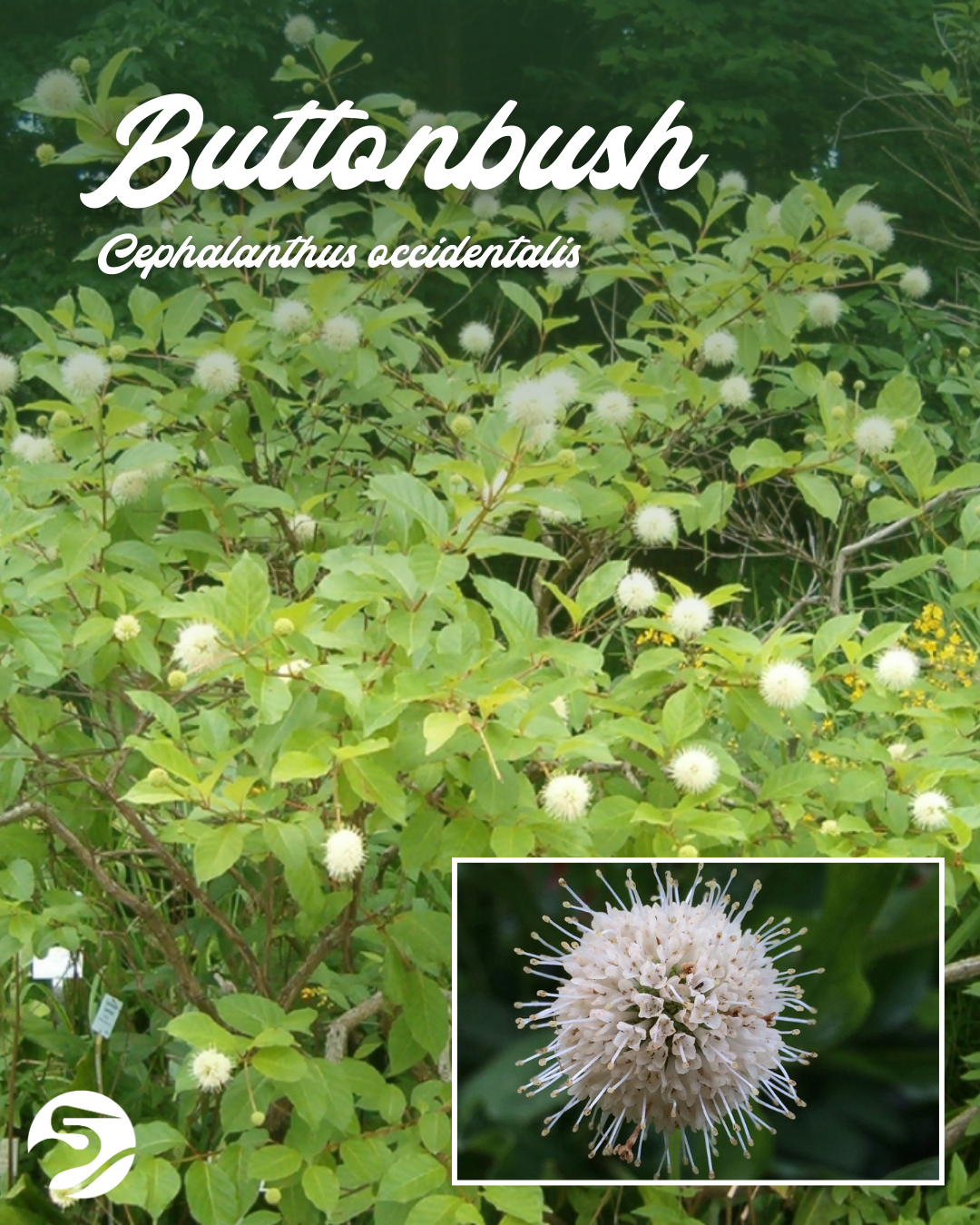
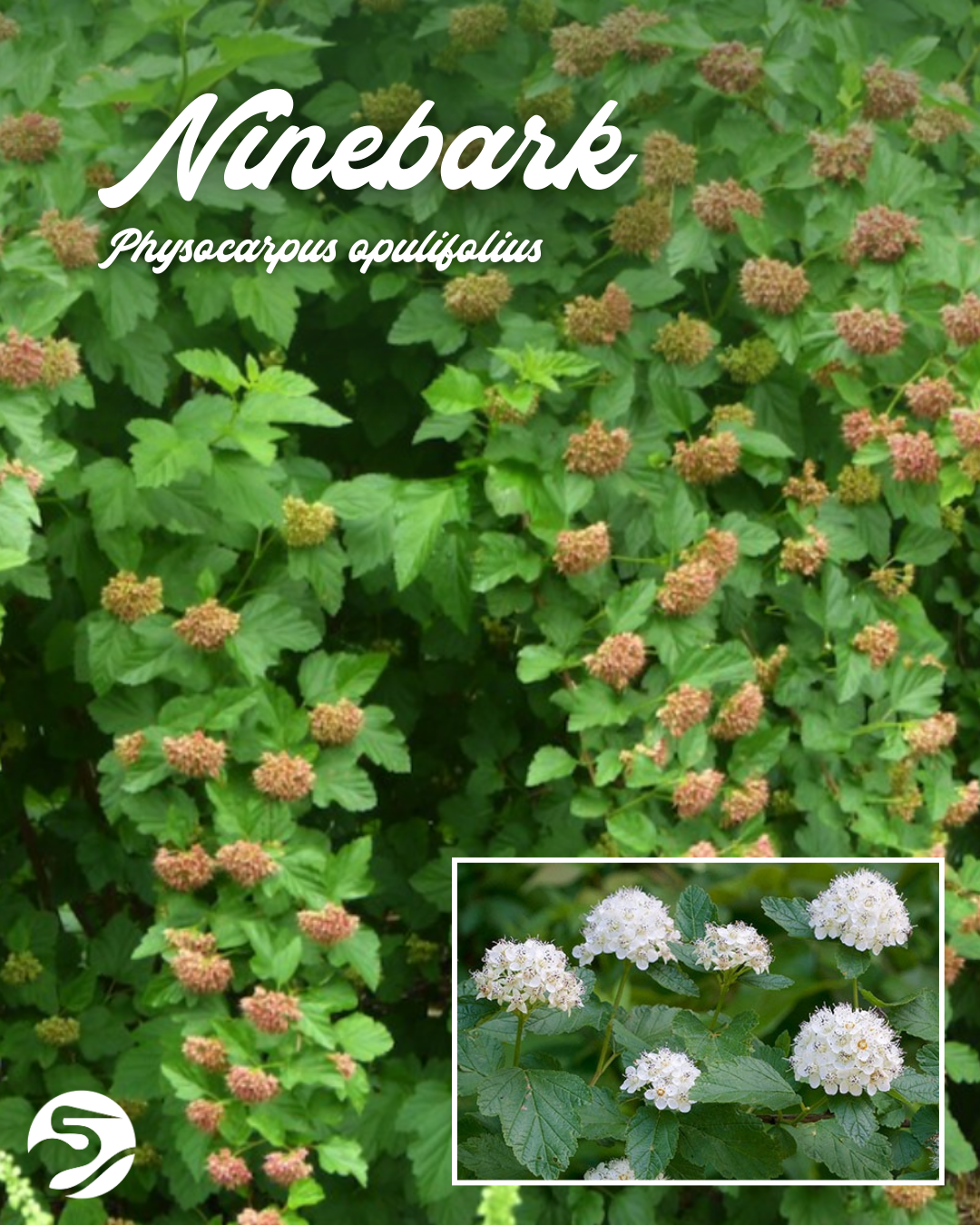
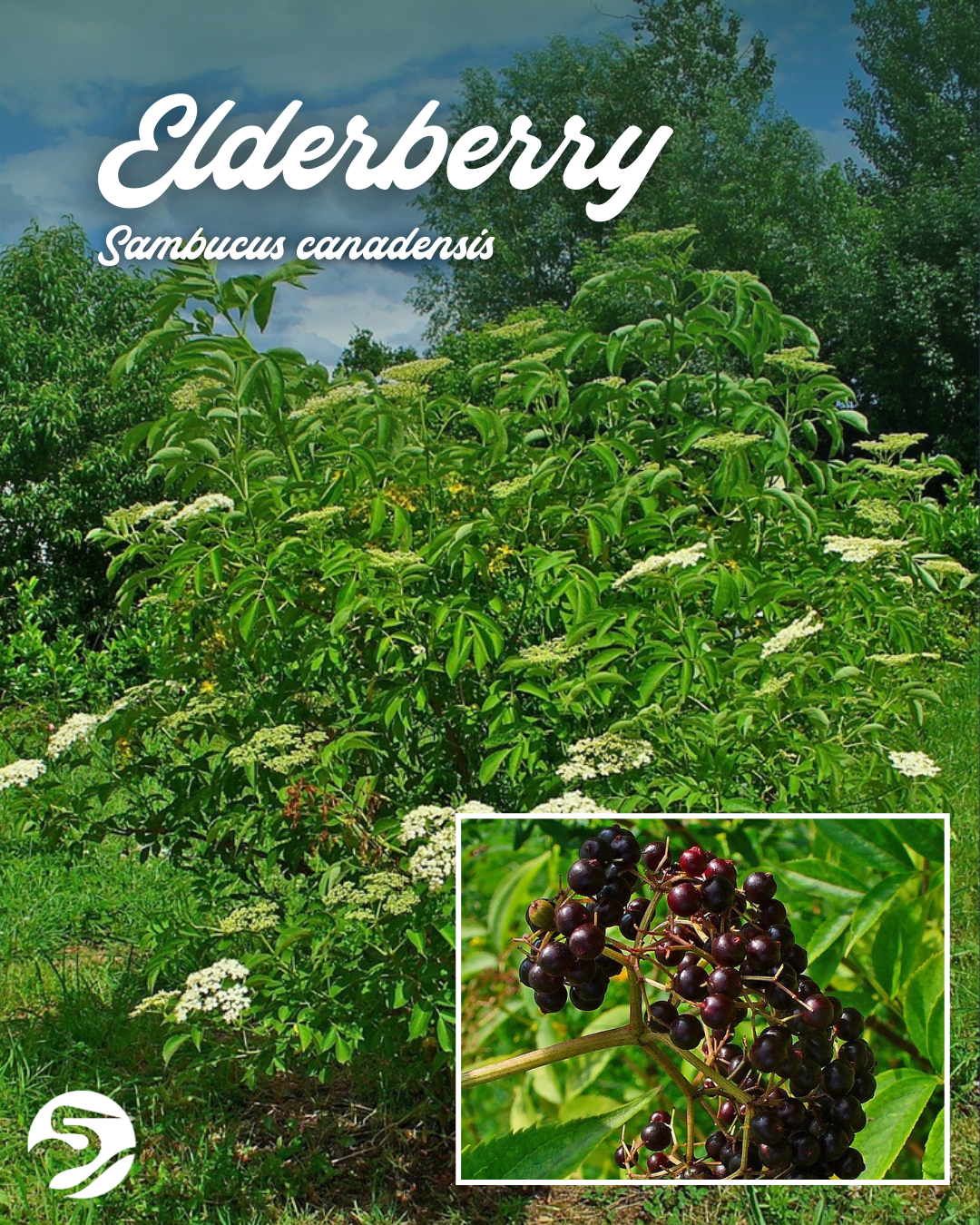
What kind of live stakes do we use in the Catawba-Wateree River basin? There are five native species of water-loving shrubs that we like to plant for our live staking projects. These include Silky Willow, Silky Dogwood, Buttonbush, Ninebark, and Elderberry.