How's Swim Guide Going?

Brandon Jones • July 18, 2024

A Mid-Season Update

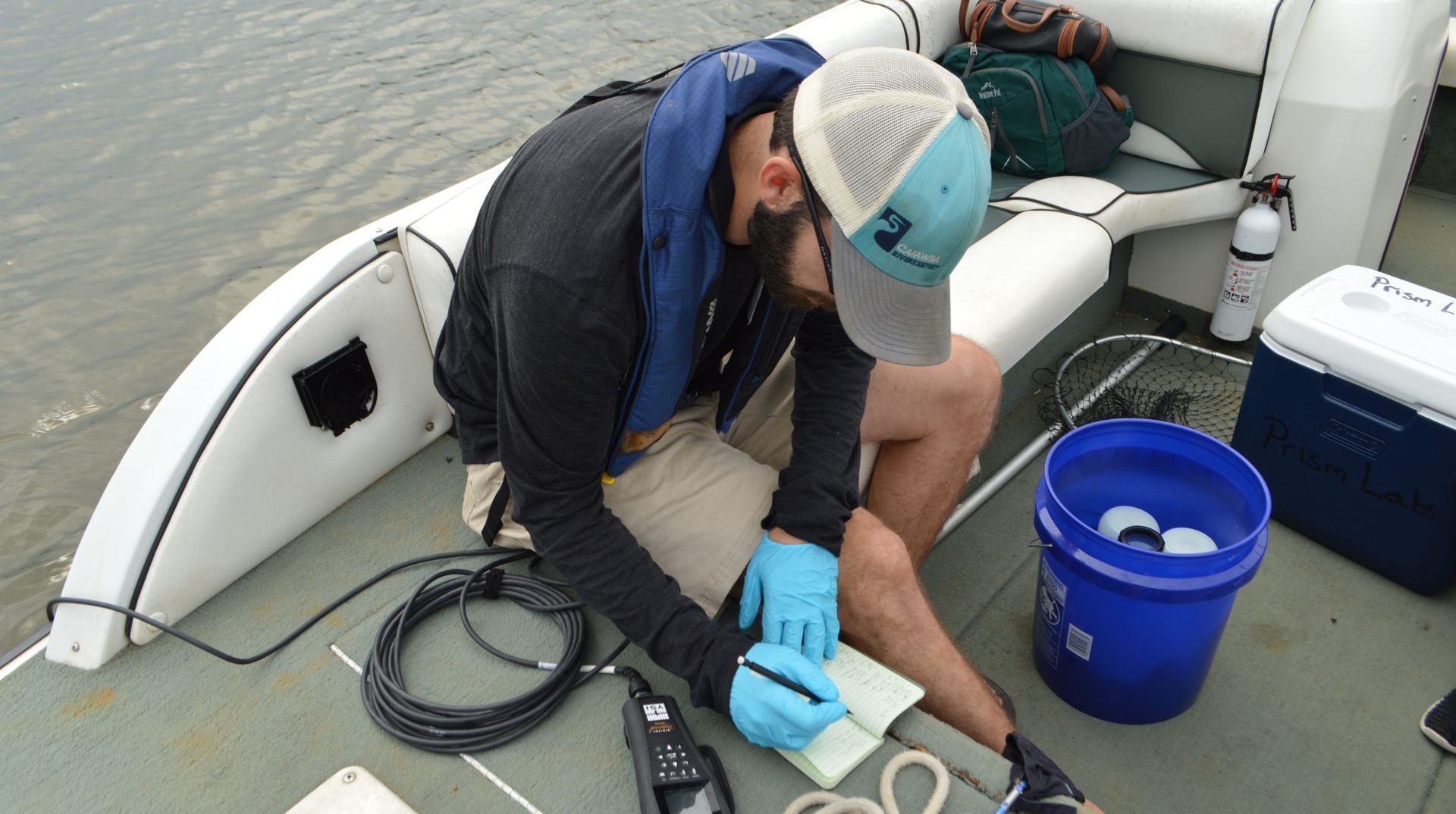
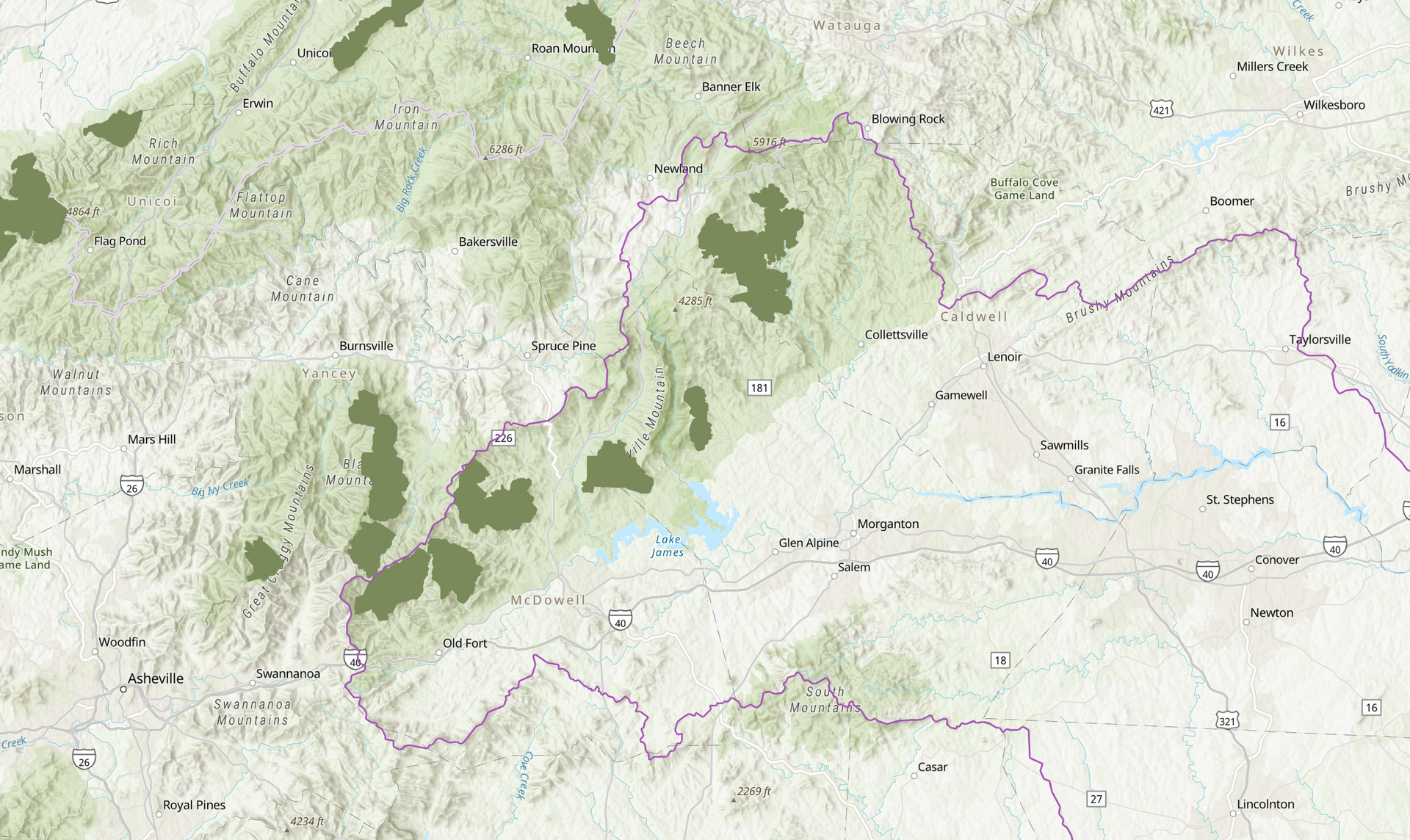
It’s hard to believe that we are already over halfway through the 2024 Swim Guide season. So far, we are proud to say that with we have collected around 500 water samples from 67 popular swimming and recreation sites throughout our Catawba-Wateree River Basin. This ongoing work would not be possible without the support from our corporate sponsors, Nucor and Catawba-Wateree Water Management Group, the generosity of individuals who are site sponsors, as well as all of the time that our volunteers, interns, and staff have dedicated to make this program possible. At this time, our results have been viewed over 30,000 times on our app alone, with Geitner Park on Lake Hickory is our most frequently checked site this summer.


Unfortunately, 15 times this summer, we have found elevated levels of fecal bacteria unsafe for swimming. Rocky Creek in Chester County, SC has failed 5 of the 8 weeks. We are currently working on a sampling plan to investigate why this issue continues to occur in this location.


As you can imagine, the amount of lab equipment, personnel, and gas that it takes to continue Swim Guide requires a significant financial commitment, but we know this program is worthwhile and is something that so many people across the Carolinas utilize when making their summertime plans with family and friends.


If you are able to, please consider giving a gift or even becoming a Swim Guide site sponsor by clicking here. We are also always in need volunteers. If you have questions or are interested in supporting our mission through volunteering, contact Volunteer & Community Science Manager Kaity D’Angelo at Kaity.d@catawbariverkeeper.org.


In addition to testing, we are also proposing several pieces of legislative for the 2025 session to reduce the sources of fecal contamination in our waters. You can find out more by viewing our 2024-2025 legislative agenda here


Thank you again to everyone who has helped me and my Protect team continue to do this work, along with so much more, to protect the Catawba River and to keep everyone who relies on it safe during their summer recreation!


Brandon Jones

Catawba Riverkeeper
May 27, 2026
On the evening of May 26th, 2026, Catawba Riverkeeper Brandon Jones attended the Charlotte City Council Public Meeting. At this meeting, he shared our organization's comments on the proposed 150-day data center moratorium. These comments can be read below. "The Catawba Riverkeeper Foundation is a member-funded environmental nonprofit that educates, advocates, and protects the Catawba-Wateree River and all its tributaries. Our organization represents over 8,000 active members and nearly 3 million citizens who rely on the watershed for drinking water, recreation, and electricity. We are concerned that the growth of local data centers may overallocate our limited resources and decrease our ability to respond to drought. We appreciate the opportunity to comment on the proposed 150-day moratorium and strongly support the staff's recommendation to adopt it. Additionally, if adopted, we recommend that the study consider a tiered approach, transparency, and net water consumption. For our water resources, the most important data center metric is net water use. A 400 MW facility—like the one now under construction on Moores Chapel Road—may actually evaporate more water indirectly than directly for cooling. The nearby Catawba Nuclear Station uses approximately 30 MGD to produce 2,300 MW or 5.2 MGD from Lake Wylie per 400 MW. However, without transparency and reporting, it is difficult to know the current impact of these data centers and almost impossible to accurately forecast the industry's future. The most accurate forecast of our region's water resources is the Catawba Wateree Water Management Group’s 2026 Integrated Water Resources Plan. Unfortunately, this plan explicitly does not include increases in water use from data centers due to limited reliable information. It is absolutely critical that our community has accurate information. We need full transparency on the planned electrical and water use of large data centers. A ban of nondisclosure agreements between elected officials and developers could help alleviate suspicion and allow communities to make informed decisions about tradeoffs. The potential direct and indirect impact s of a project should be modeled by the CWWMG to determine its actual impacts. Those impacts could be mitigated by funding water conservation projects, as some data centers have already proposed. Once operating, we need reporting on the actual water and energy use. The cumulative impact must be understood to ensure capacity and resiliency. Water withdrawers from the Catawba utilize a Low Inflow Protocol during drought to help stretch the available supply. Large data centers need conservation plans that comply with this plan. It is hypocritical to ask residents and some businesses to restrict water use while permitting facilities that cannot or will not do the same. Most years, there is plenty of water for drinking, irrigation, ecological flows, and industry in the Catawba. However, droughts such as 2001, 2007, and today expose our vulnerabilities. These droughts are more likely in a warming climate, and we are becoming less resilient with a growing population and industrial demands. Sustainable water management requires careful planning and robust coordination between users, including data centers."
By Susannah Bryant March 19, 2026
Greg Nance has had his boots on the ground since the storm subsided.
February 19, 2026
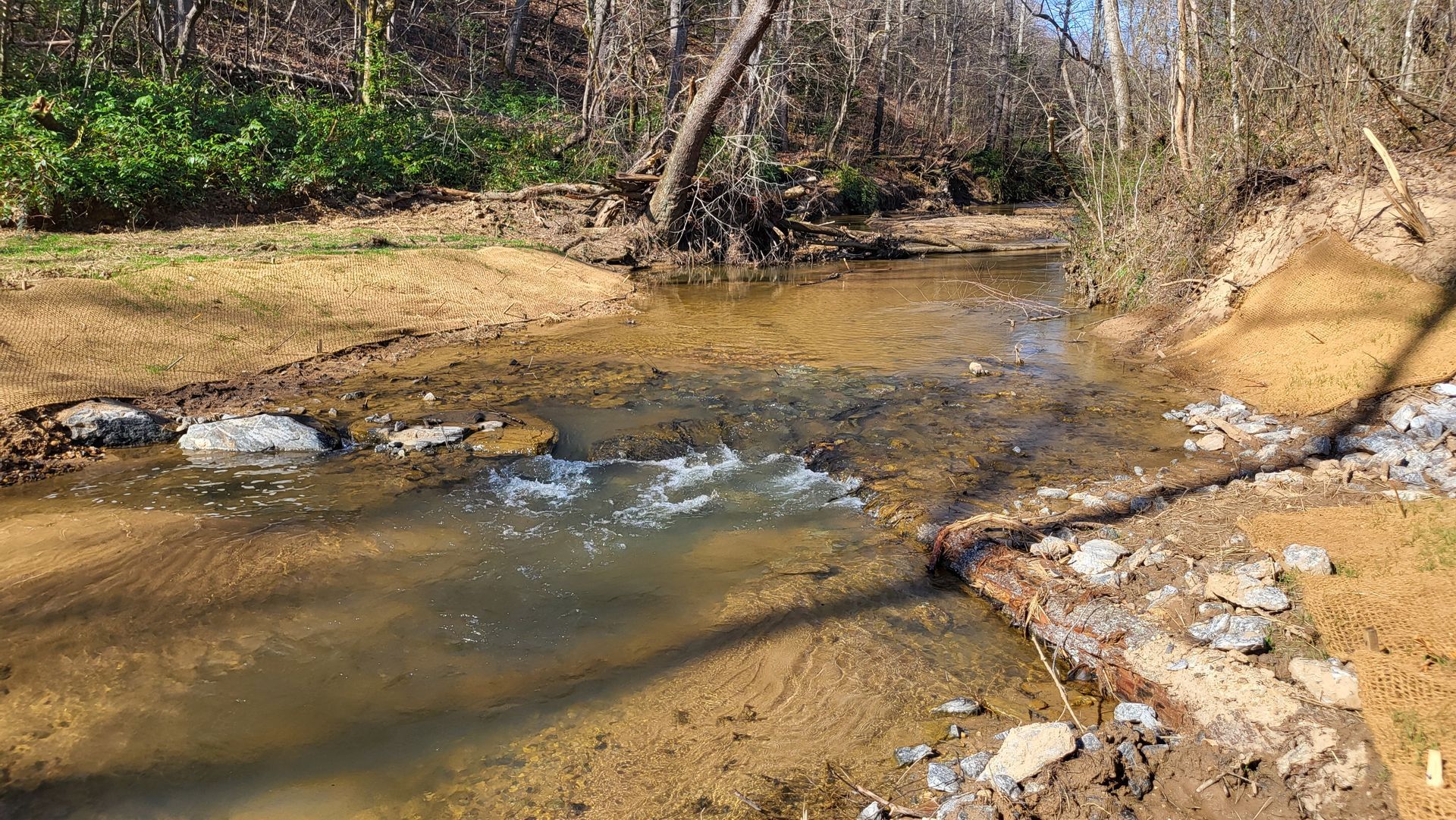
Live staking is a streambank restoration approach that reduces erosion and sediment pollution. This is the practice of planting dormant branch cuttings of native plants along streambanks (also known as riparian zones) to help hold soil in place along the waters' edge. Live stakes are planted along with native plant seeds and shrubs to create riparian buffers, which help prevent sediment from becoming a stream pollutant by securing the soil in place with good root systems. Riparian buffers also filter out other pollutants, such as chemicals, oils, fertilizers, and trash, before they enter our waterways.