My View from the River

John Searby • July 24, 2024

A July Update from Executive Director John Searby.
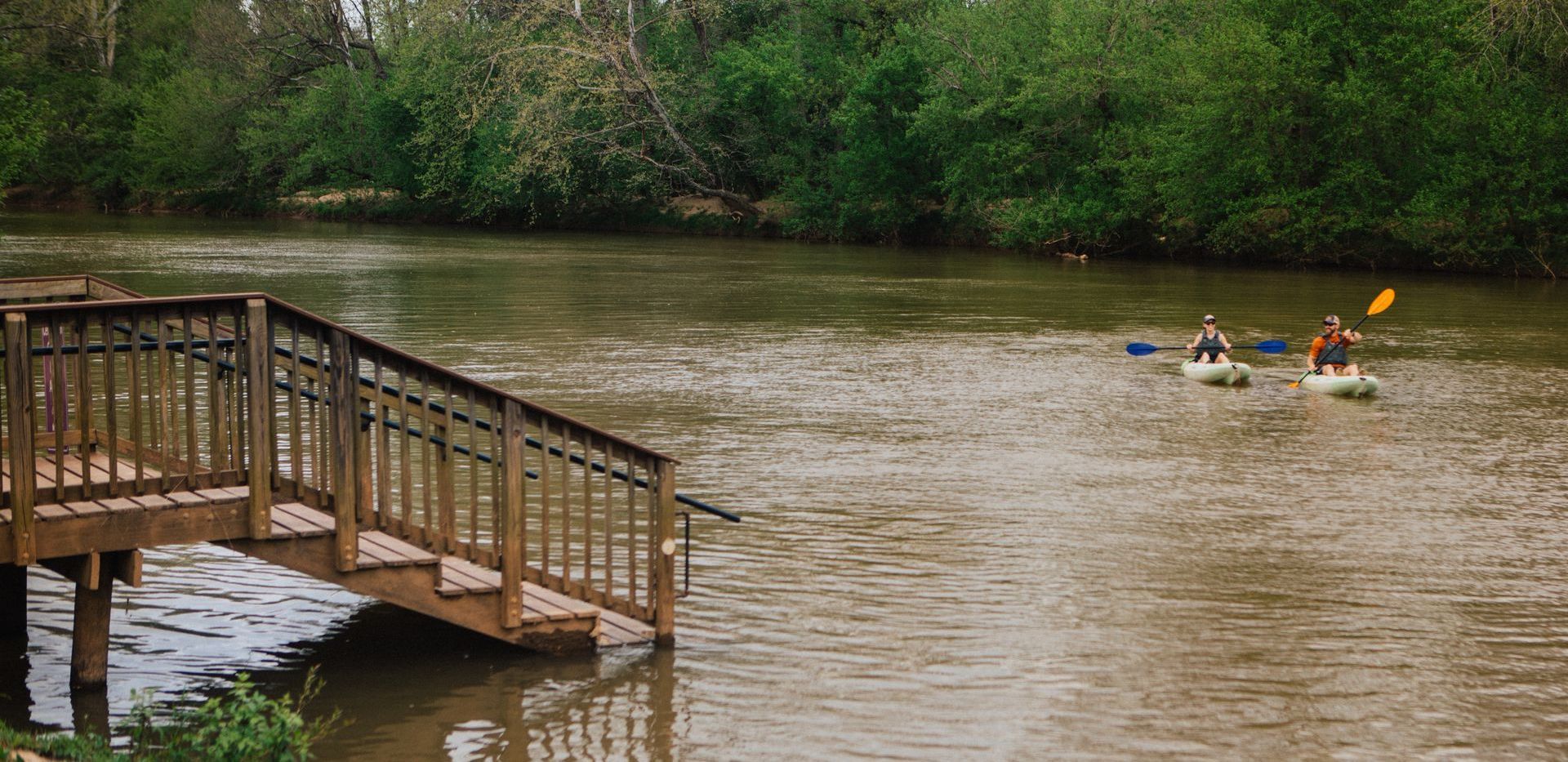
 As has become common in the Catawba River Basin and across the Southeast, it has been a dry summer, leading us into drought conditions again this year. Droughts are one end of spectrum of reality we now face in the Charlotte region as our rain patterns become less and less predictable. While our annual rainfalls have been fairly consistent over the past 20 years and predictions are that they will continue to be consistent on an annual basis over the next couple of decades, these extended periods of drought that are followed by major rain events create a challenging scenario for our river. These flashy rain events often lead to flooding, wreaking havoc on transportation and infrastructure, and causing property damage across the region. For this reason, flood resiliency has become a key area of focus for many of our communities in the Piedmont. Catawba Riverkeeper is working closely with both municipal and non-profit partners to lobby our state legislatures to not only appropriate funds to support flood resiliency infrastructure in our region, but also for stronger regulations around stormwater management. Stay tuned to our e-newsletter and social media channels for updates on these and other legislative priorities for the upcoming 2025 sessions!


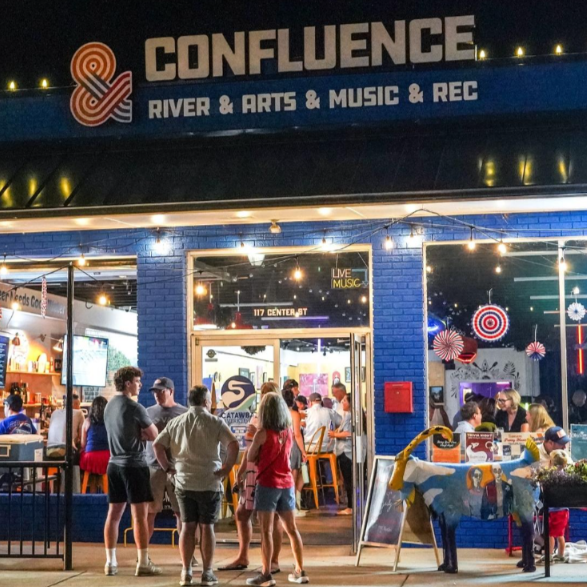
This summer has been busy for our entire Catawba Riverkeeper staff, but in particular for our program teams. This summer, we’ve educated more kids and put more people on the water than ever before! We’ve also been in the creeks, streams, and lakes of the river basin cleaning up trash and removing tires at an unprecedented level. And we’ve been hosting folks from all across the basin at events and at our retail spaces--Confluence, The River Room, and The Boathouse. All of our community engagement programs are funded by generous support from our corporate partners – Nucor, Wildlands Engineering, Crescent Communities, The River District, Recover Brands, Xylem, Pharr, Ally, TIAA, Avid Xchange, Bartels Construction, and Clancy & Theys. If you are interested in becoming a corporate partner of Catawba Riverkeeper, we have several more events this year, including our Second Annual Fork Fest on Labor Day weekend featuring the Floating Concert! Contact me at john@catawbariverkeeper.org for more information on becoming a corporate partner.


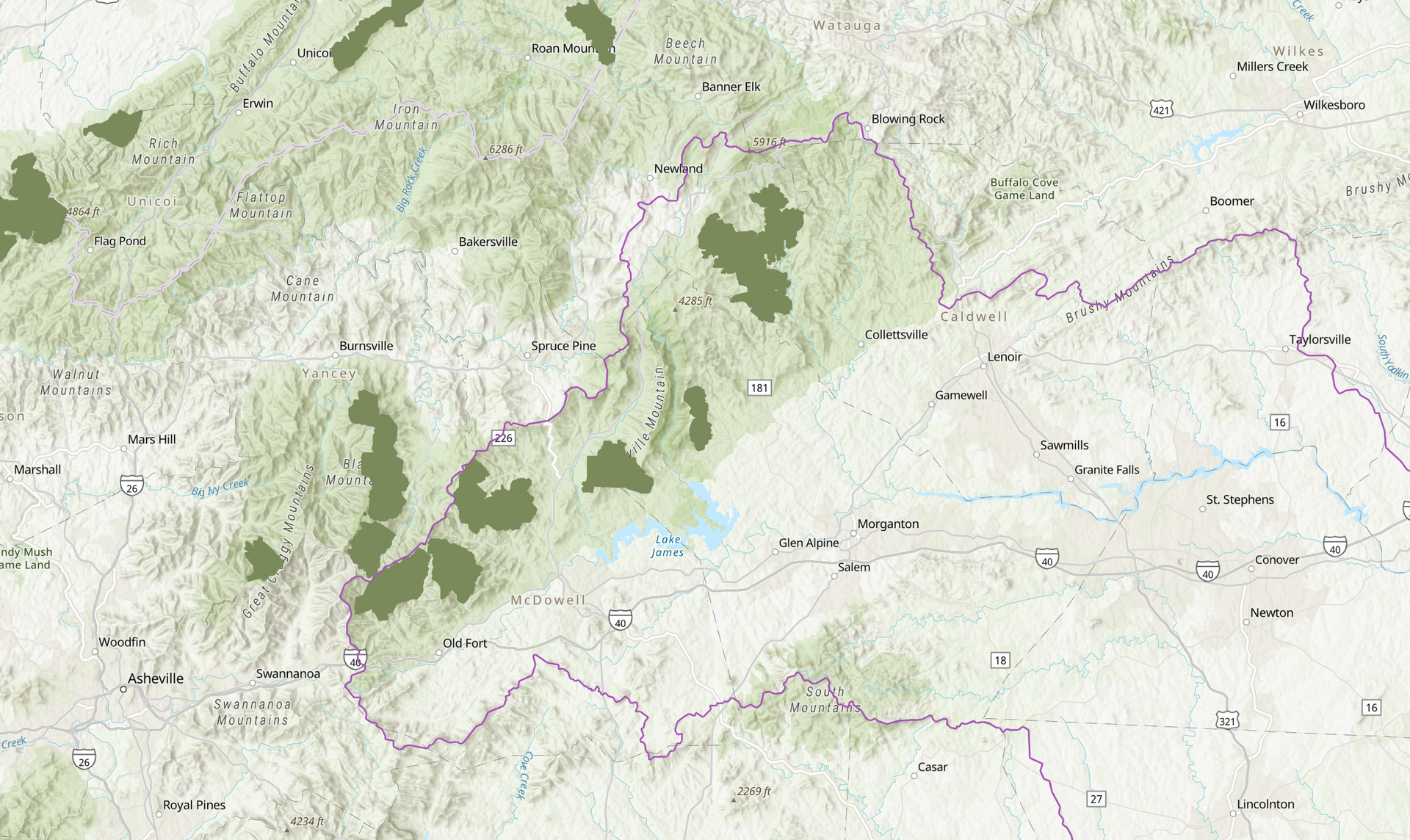
Finally, I’d like to give a special thank you to our Board of Directors at Catawba Riverkeeper for their tireless work, leadership, and support. This all-volunteer board represents the geographic, socio-economic, racial, and professional diversity of our river basin. They bring a wealth of experience and connections that enhance and support our work across all of the varied types of disciplines that make up Catawba Riverkeeper. To me, a non-profit board is a very special group because nowhere else do accountants, sales people, scientists, attorneys, educators, authors, financial planners, construction managers, contractors, marketers, data scientists, and small business owners come together to support a common cause. Catawba Riverkeeper boasts all of those professionals and more! We currently have open board positions for passionate water advocates who live in South Carolina or in the Lake James watershed. It is important to us to have strong representation across our entire river basin, so if you live in either of those areas and would be interested in learning more about board service, please shoot me an email.


I hope you get an opportunity to have your own view of the river soon!


John Searby

CEO/Executive Director


May 27, 2026
On the evening of May 26th, 2026, Catawba Riverkeeper Brandon Jones attended the Charlotte City Council Public Meeting. At this meeting, he shared our organization's comments on the proposed 150-day data center moratorium. These comments can be read below. "The Catawba Riverkeeper Foundation is a member-funded environmental nonprofit that educates, advocates, and protects the Catawba-Wateree River and all its tributaries. Our organization represents over 8,000 active members and nearly 3 million citizens who rely on the watershed for drinking water, recreation, and electricity. We are concerned that the growth of local data centers may overallocate our limited resources and decrease our ability to respond to drought. We appreciate the opportunity to comment on the proposed 150-day moratorium and strongly support the staff's recommendation to adopt it. Additionally, if adopted, we recommend that the study consider a tiered approach, transparency, and net water consumption. For our water resources, the most important data center metric is net water use. A 400 MW facility—like the one now under construction on Moores Chapel Road—may actually evaporate more water indirectly than directly for cooling. The nearby Catawba Nuclear Station uses approximately 30 MGD to produce 2,300 MW or 5.2 MGD from Lake Wylie per 400 MW. However, without transparency and reporting, it is difficult to know the current impact of these data centers and almost impossible to accurately forecast the industry's future. The most accurate forecast of our region's water resources is the Catawba Wateree Water Management Group’s 2026 Integrated Water Resources Plan. Unfortunately, this plan explicitly does not include increases in water use from data centers due to limited reliable information. It is absolutely critical that our community has accurate information. We need full transparency on the planned electrical and water use of large data centers. A ban of nondisclosure agreements between elected officials and developers could help alleviate suspicion and allow communities to make informed decisions about tradeoffs. The potential direct and indirect impact s of a project should be modeled by the CWWMG to determine its actual impacts. Those impacts could be mitigated by funding water conservation projects, as some data centers have already proposed. Once operating, we need reporting on the actual water and energy use. The cumulative impact must be understood to ensure capacity and resiliency. Water withdrawers from the Catawba utilize a Low Inflow Protocol during drought to help stretch the available supply. Large data centers need conservation plans that comply with this plan. It is hypocritical to ask residents and some businesses to restrict water use while permitting facilities that cannot or will not do the same. Most years, there is plenty of water for drinking, irrigation, ecological flows, and industry in the Catawba. However, droughts such as 2001, 2007, and today expose our vulnerabilities. These droughts are more likely in a warming climate, and we are becoming less resilient with a growing population and industrial demands. Sustainable water management requires careful planning and robust coordination between users, including data centers."
By Susannah Bryant March 19, 2026
Greg Nance has had his boots on the ground since the storm subsided.
February 19, 2026
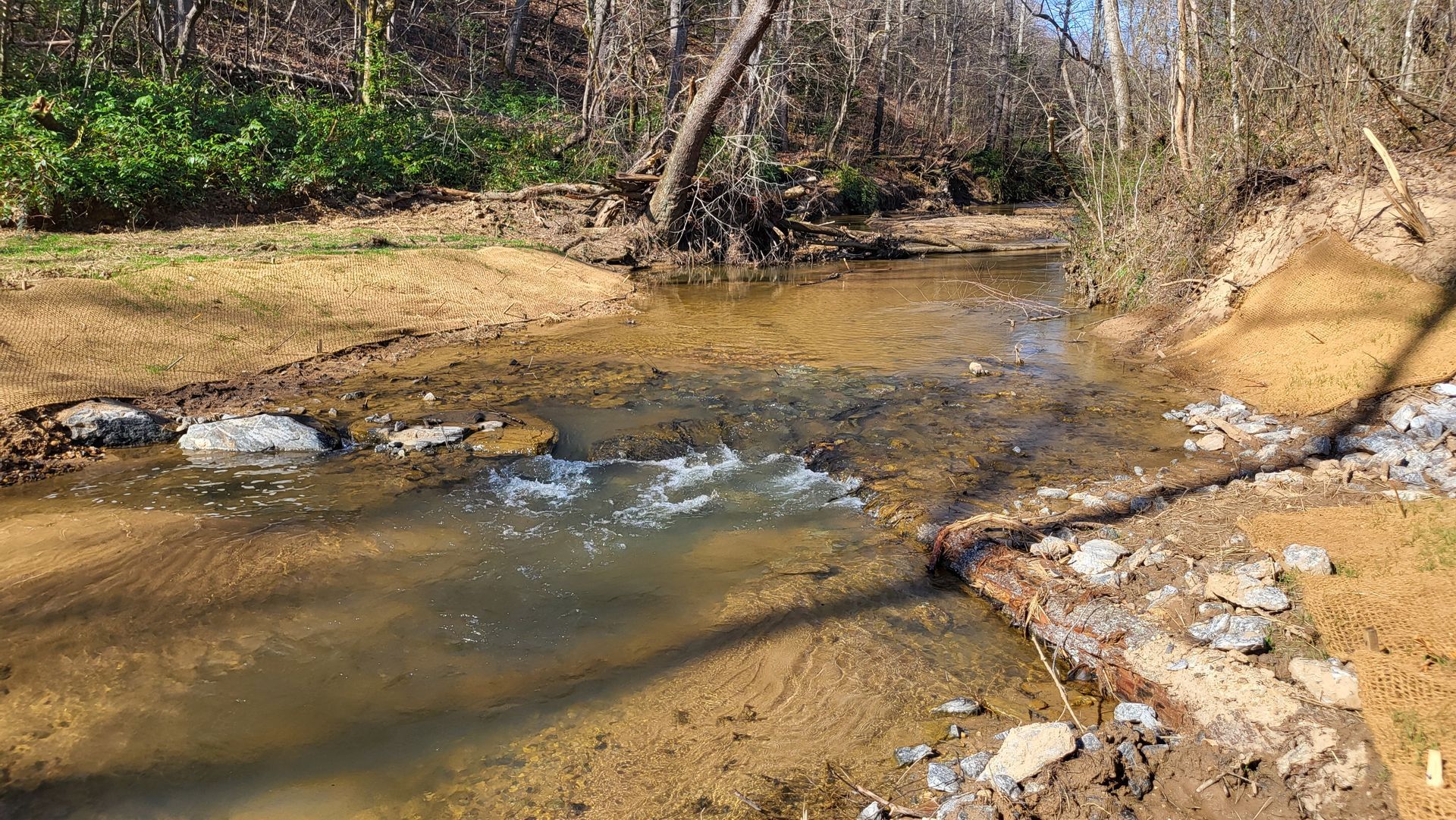
Live staking is a streambank restoration approach that reduces erosion and sediment pollution. This is the practice of planting dormant branch cuttings of native plants along streambanks (also known as riparian zones) to help hold soil in place along the waters' edge. Live stakes are planted along with native plant seeds and shrubs to create riparian buffers, which help prevent sediment from becoming a stream pollutant by securing the soil in place with good root systems. Riparian buffers also filter out other pollutants, such as chemicals, oils, fertilizers, and trash, before they enter our waterways.