
Lake James Symposium

Hank Talmadge • November 19, 2022

2022 Lake James Symposium

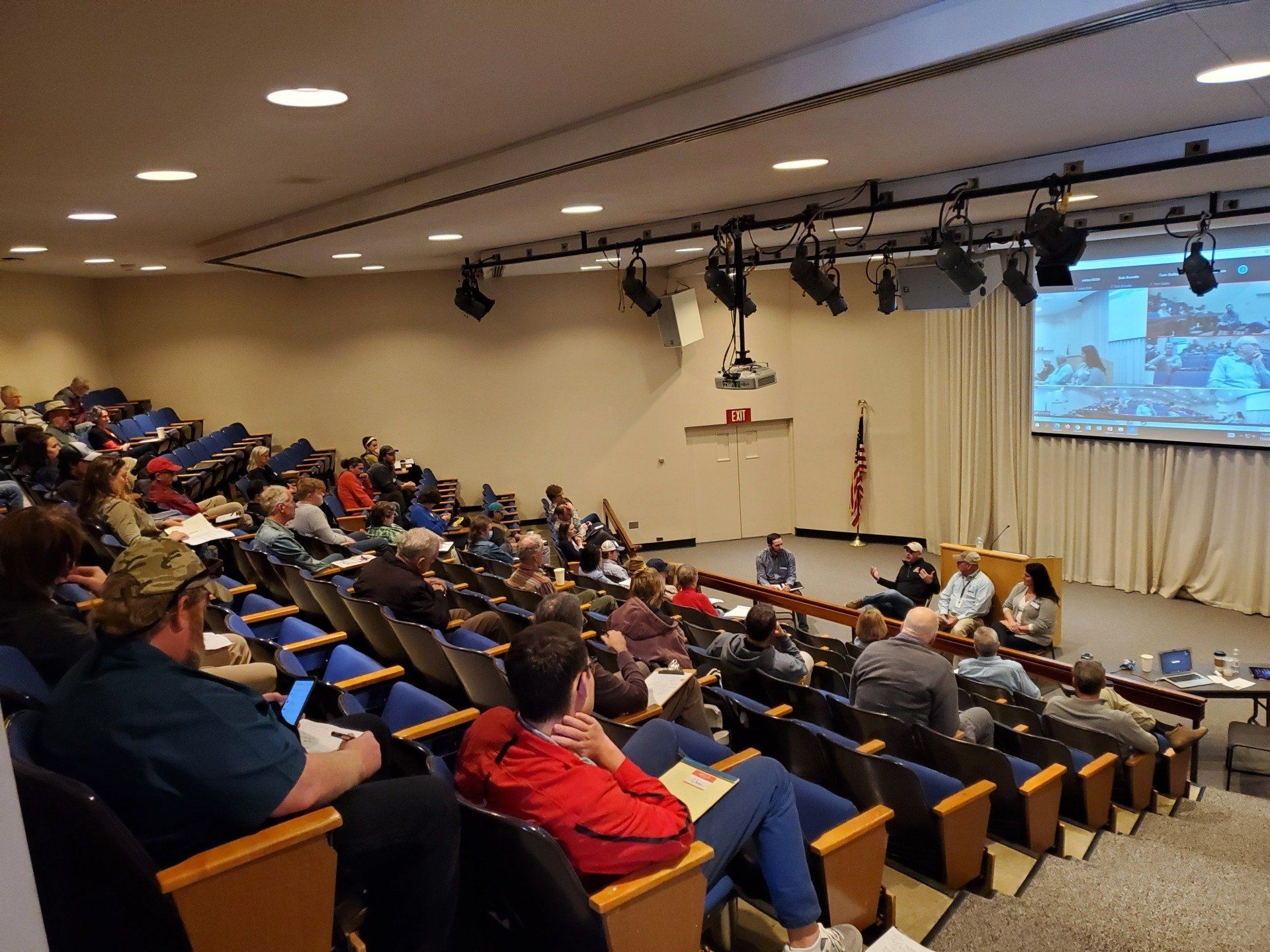
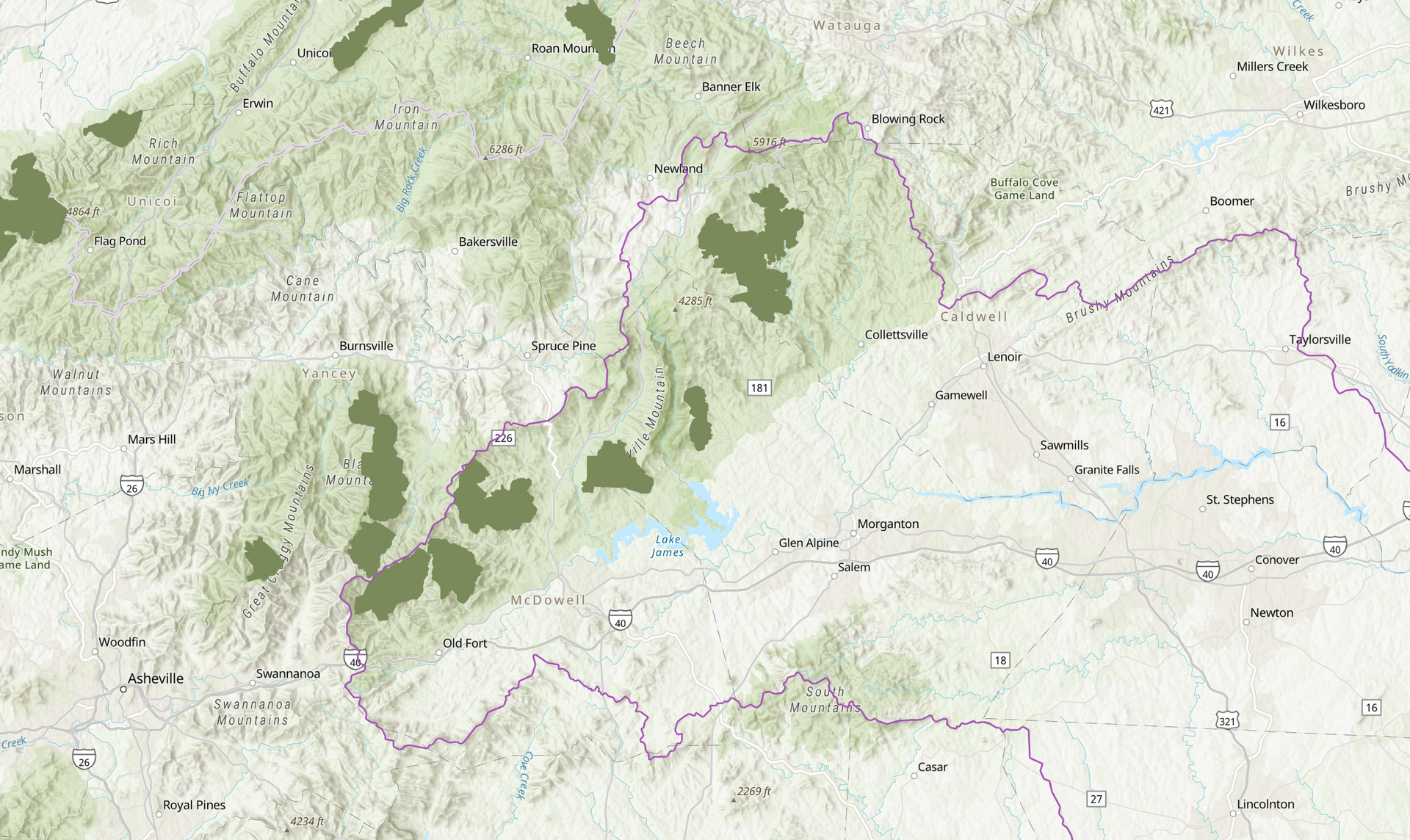
At the beginning of the month, Northern Basin Manager Grant Buckner and Riverkeeper Brandon Jones traveled to Western Piedmont Community College for the Annual Lake James Watershed Symposium. Over 85 people gathered to share knowledge, make connections, and plan for the protection of the Lake James watershed.


Grant presented about the Northern Catawba Basin Protection and Restoration plan with a focus on the priority projects to improve water quality. These projects include the Loom Creek Riparian Vegetation Restoration Project, Old Fort Finishing Dam Removal, and the White Creek Restoration Project. Brandon met with representatives from Burke, McDowell, and Gaston Counties to discuss local government’s role in protecting water quality.


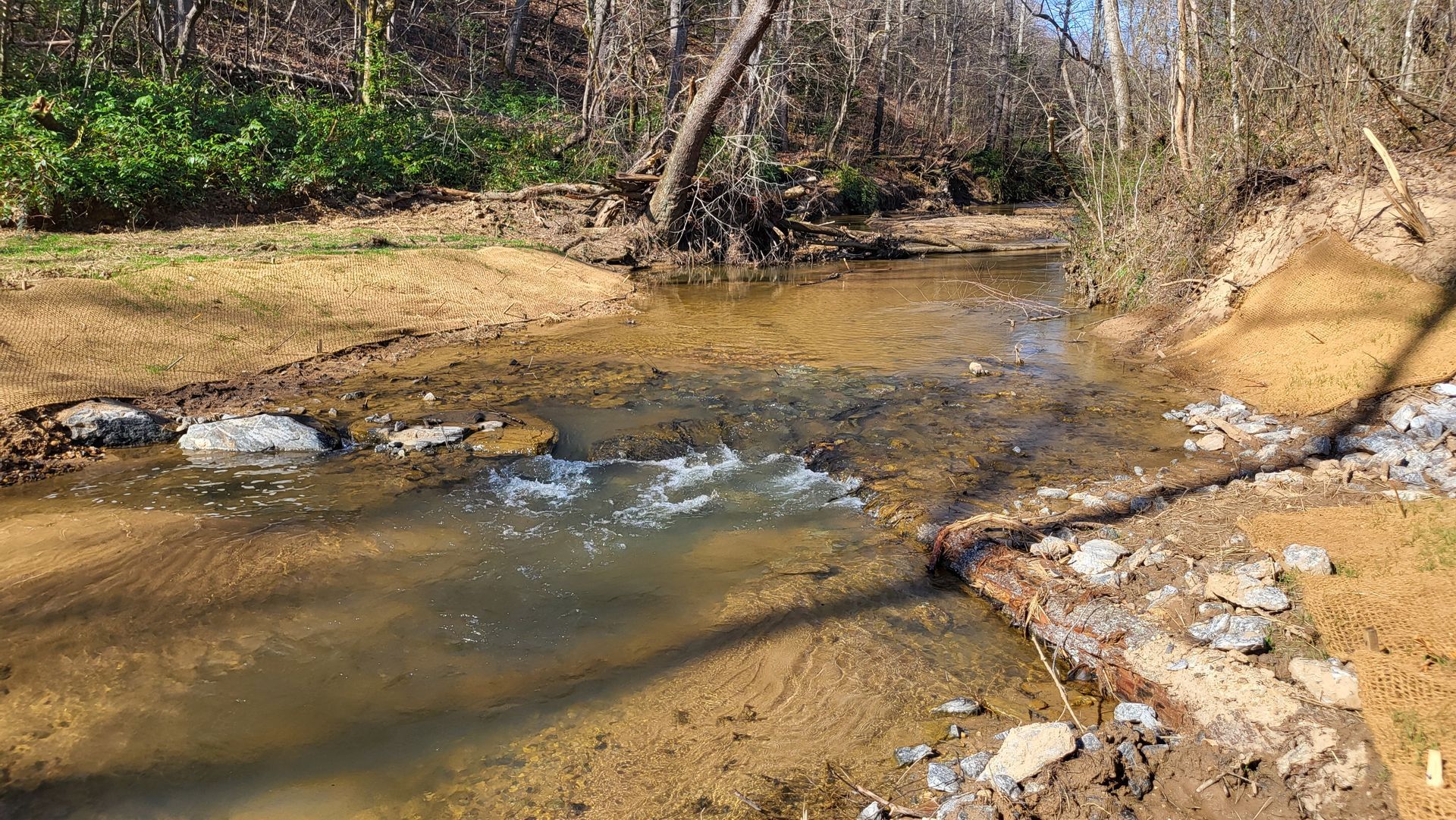
A huge focus of 2023 for Catawba Riverkeeper will be our restoration projects! In 2022 we incorporated restore into our mission statement and recognized protection efforts alone will not address areas of previous degradation. It is vital over the next year to spend time focusing on restoration to revive our water! Here is a link to the projects in the Northern Basin identified through our Restoration Plan.
By Madison Washington July 23, 2026
Whether you're planning a day at the lake or a weekend on the river, knowing if the water is safe for swimming is an important part of any outdoor adventure. Today, that information is only a few clicks away thanks to Swim Guide, a program that has grown from a local initiative into the world's largest recreational water quality network.
By Madison Washington July 7, 2026
The rocky shoals spider lily (Hymenocallis occidentalis) is a rare aquatic flowering plant characterized by its distinctive crown-like membrane called the "corona." The flower features six spider-leg-like extensions attached to the corona, along with six stamens. Each plant grows to about 3 feet tall and 3 feet wide in direct sunlight, with multiple blooms on a single stalk.
By Madison Washington June 11, 2026
Native to South America, alligator weed has become a widespread invasive species along the East Coast, rapidly spreading through waterways, wetlands, and shorelines. Its aggressive growth disrupts ecosystems by outcompeting native vegetation, reducing habitat quality for wildlife, and creating challenges for recreation, water management, and local communities.