Staff Updates

John Searby • March 8, 2024

Meet the new employees and leaders of Catawba Riverkeeper!

Executive Director John Searby recently announced that Catawba Riverkeeper has promoted two employees to leadership positions and added three new employees to the team that works to preserve, protect, and restore the waters of the Catawba-Wateree River Basin for all.


Promotions 

The organization’s longest tenured employee, Diana (Daniels) Knudsen, was promoted to Vice President of Advancement. In this role, Diana will lead the organization’s fundraising, marketing, and community engagement efforts. In her nearly 12 years at Catawba Riverkeeper, Diana has held every role in the marketing and development areas. Executive Director John Searby added, “Diana is not only a constant for our members and donors at Catawba Riverkeeper, she has also ensured consistency across our organization’s messaging and communications throughout her tenure across several different Executive Directors and Riverkeepers. This promotion is a recognition of her importance as a senior leader at Catawba Riverkeeper and well deserved.”


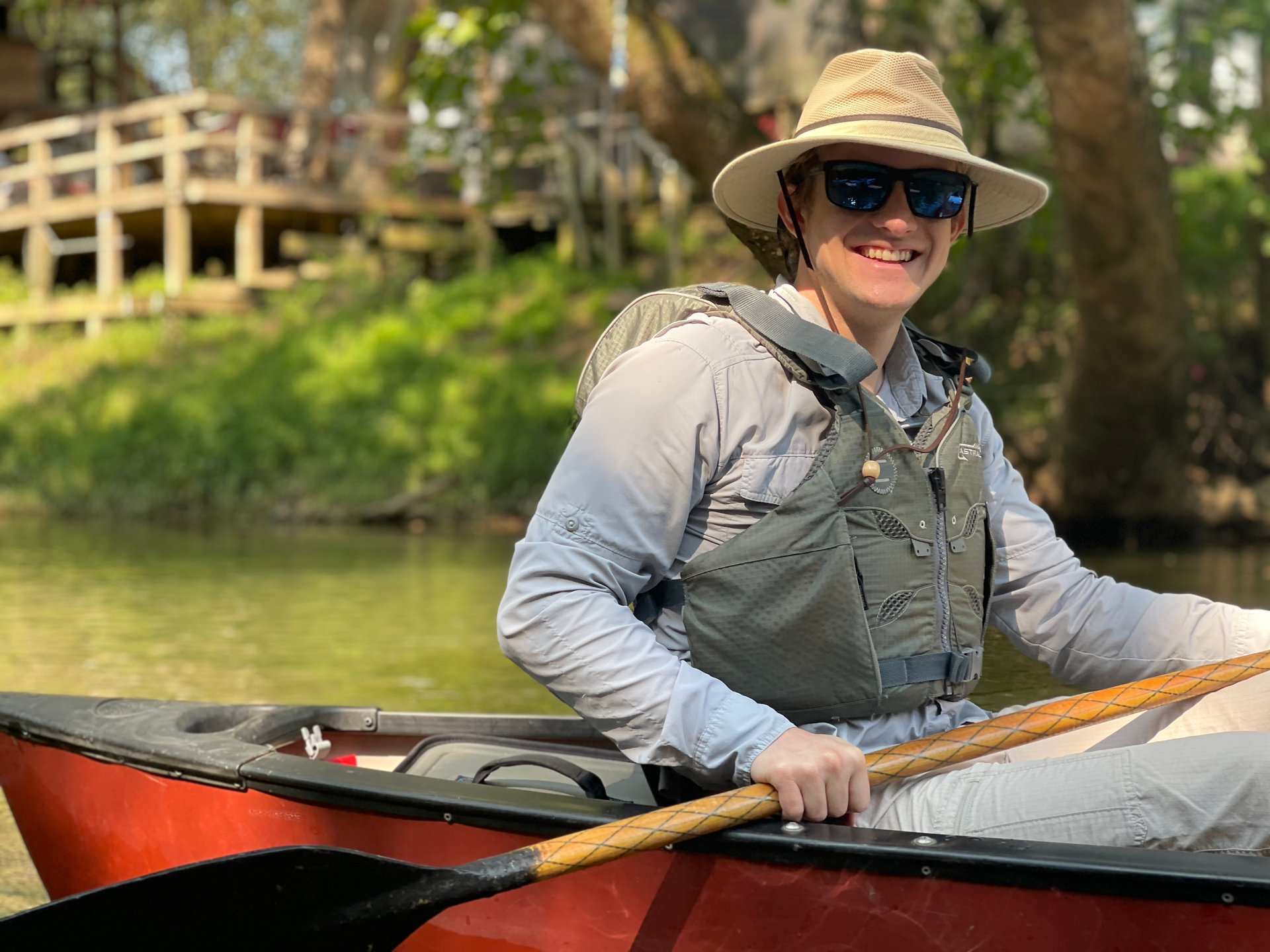
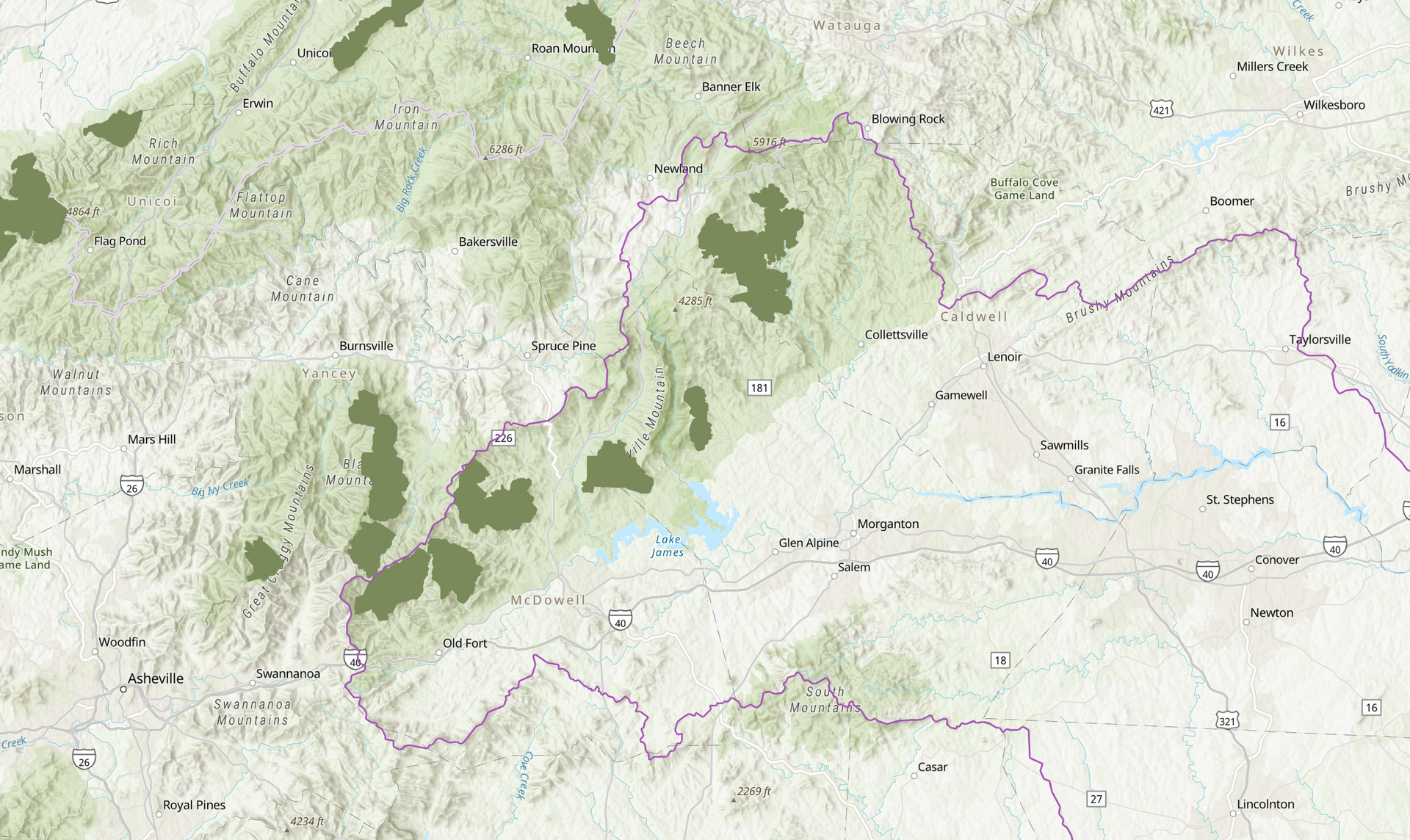
Along with Knudsen, Searby also announced that Grant Buckner has been promoted to Northern Basin Director, providing overall leadership to the organization’s efforts in the Northern Basin (above Lake Norman). On Buckner, Searby commented, “Grant came on nearly three years ago as our first Watershed Manager and this model of focusing our scientific staff on a geographical area has proven to be a great model for us. We are proud of the way Grant has grown our work in the Northern Basin and we look forward to continuing to expand our impact in that section of the basin under his leadership.”


New Hires

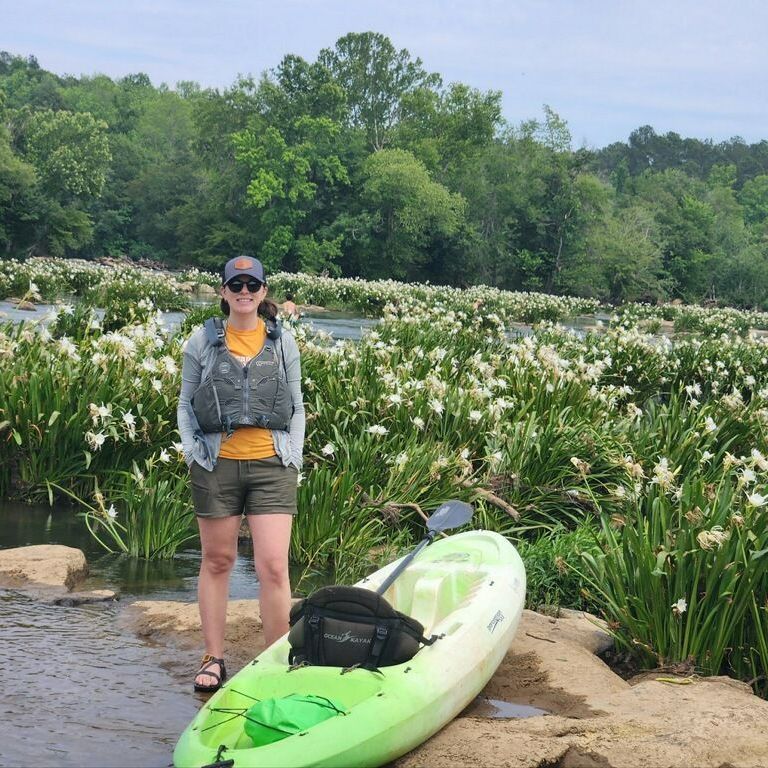
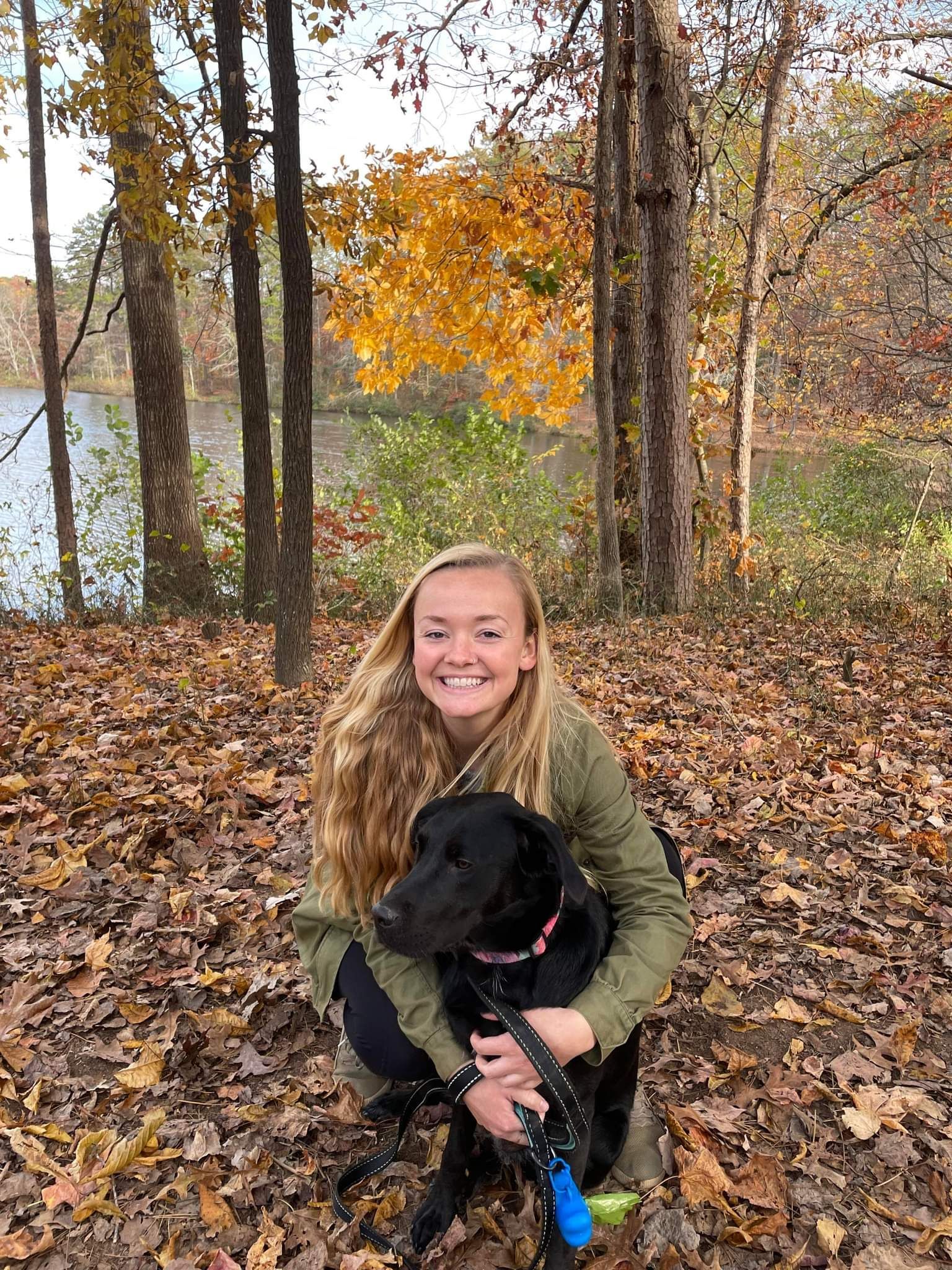
Additionally, Catawba Riverkeeper announced the addition of three new staff members, two reporting to Knudsen and one reporting to Buckner. Jenny Moore was added to the team as Director of Development and will lead the traditional fundraising efforts for Catawba Riverkeeper. In this role, Moore will oversee the organization’s membership and annual giving programs as well as taking a lead role in fundraising events and campaigns. Prior to joining Catawba Riverkeeper, Moore was a Development Manager for Catawba Lands Conservancy following multiple years in development at the Ruth Bancroft Garden and UC Botanical Garden at Berkley, both in California. Susannah Bryant was recently hired as the Marketing and Communications Manager. Bryant's unique background in environmental science and communications makes her a great fit for sharing our messages to members, volunteers, and the general public. Expanding the Northern Basin team at Catawba Riverkeeper’s office in Morganton, NC is Sophie McCarthy, who joins as the Lake James Program Manager. In this role, Sophie will design, plan, and execute educational, volunteer, and community engagement programs for both Catawba Riverkeeper and Lake James Environmental Association in the Northern Catawba River basin. McCarthy was previously the Executive Director of Lake James Environmental Association and also worked at the Sassafras River Association.


Searby summarized these changes by saying, “It is a testament to the commitment of our members, corporate partners, and supporters all across the basin that Catawba Riverkeeper has continued to grow consistently over the past five years. Our work only expands with additional talented professionals coming on board and existing team members growing into leadership positions. I am very excited to see how these new roles will help us to continue to expand our impact across the entire river basin.”


For more detailed information on all staff, please visit our STAFF PAGE.

May 27, 2026
On the evening of May 26th, 2026, Catawba Riverkeeper Brandon Jones attended the Charlotte City Council Public Meeting. At this meeting, he shared our organization's comments on the proposed 150-day data center moratorium. These comments can be read below. "The Catawba Riverkeeper Foundation is a member-funded environmental nonprofit that educates, advocates, and protects the Catawba-Wateree River and all its tributaries. Our organization represents over 8,000 active members and nearly 3 million citizens who rely on the watershed for drinking water, recreation, and electricity. We are concerned that the growth of local data centers may overallocate our limited resources and decrease our ability to respond to drought. We appreciate the opportunity to comment on the proposed 150-day moratorium and strongly support the staff's recommendation to adopt it. Additionally, if adopted, we recommend that the study consider a tiered approach, transparency, and net water consumption. For our water resources, the most important data center metric is net water use. A 400 MW facility—like the one now under construction on Moores Chapel Road—may actually evaporate more water indirectly than directly for cooling. The nearby Catawba Nuclear Station uses approximately 30 MGD to produce 2,300 MW or 5.2 MGD from Lake Wylie per 400 MW. However, without transparency and reporting, it is difficult to know the current impact of these data centers and almost impossible to accurately forecast the industry's future. The most accurate forecast of our region's water resources is the Catawba Wateree Water Management Group’s 2026 Integrated Water Resources Plan. Unfortunately, this plan explicitly does not include increases in water use from data centers due to limited reliable information. It is absolutely critical that our community has accurate information. We need full transparency on the planned electrical and water use of large data centers. A ban of nondisclosure agreements between elected officials and developers could help alleviate suspicion and allow communities to make informed decisions about tradeoffs. The potential direct and indirect impact s of a project should be modeled by the CWWMG to determine its actual impacts. Those impacts could be mitigated by funding water conservation projects, as some data centers have already proposed. Once operating, we need reporting on the actual water and energy use. The cumulative impact must be understood to ensure capacity and resiliency. Water withdrawers from the Catawba utilize a Low Inflow Protocol during drought to help stretch the available supply. Large data centers need conservation plans that comply with this plan. It is hypocritical to ask residents and some businesses to restrict water use while permitting facilities that cannot or will not do the same. Most years, there is plenty of water for drinking, irrigation, ecological flows, and industry in the Catawba. However, droughts such as 2001, 2007, and today expose our vulnerabilities. These droughts are more likely in a warming climate, and we are becoming less resilient with a growing population and industrial demands. Sustainable water management requires careful planning and robust coordination between users, including data centers."
By Susannah Bryant March 19, 2026
Greg Nance has had his boots on the ground since the storm subsided.
February 19, 2026
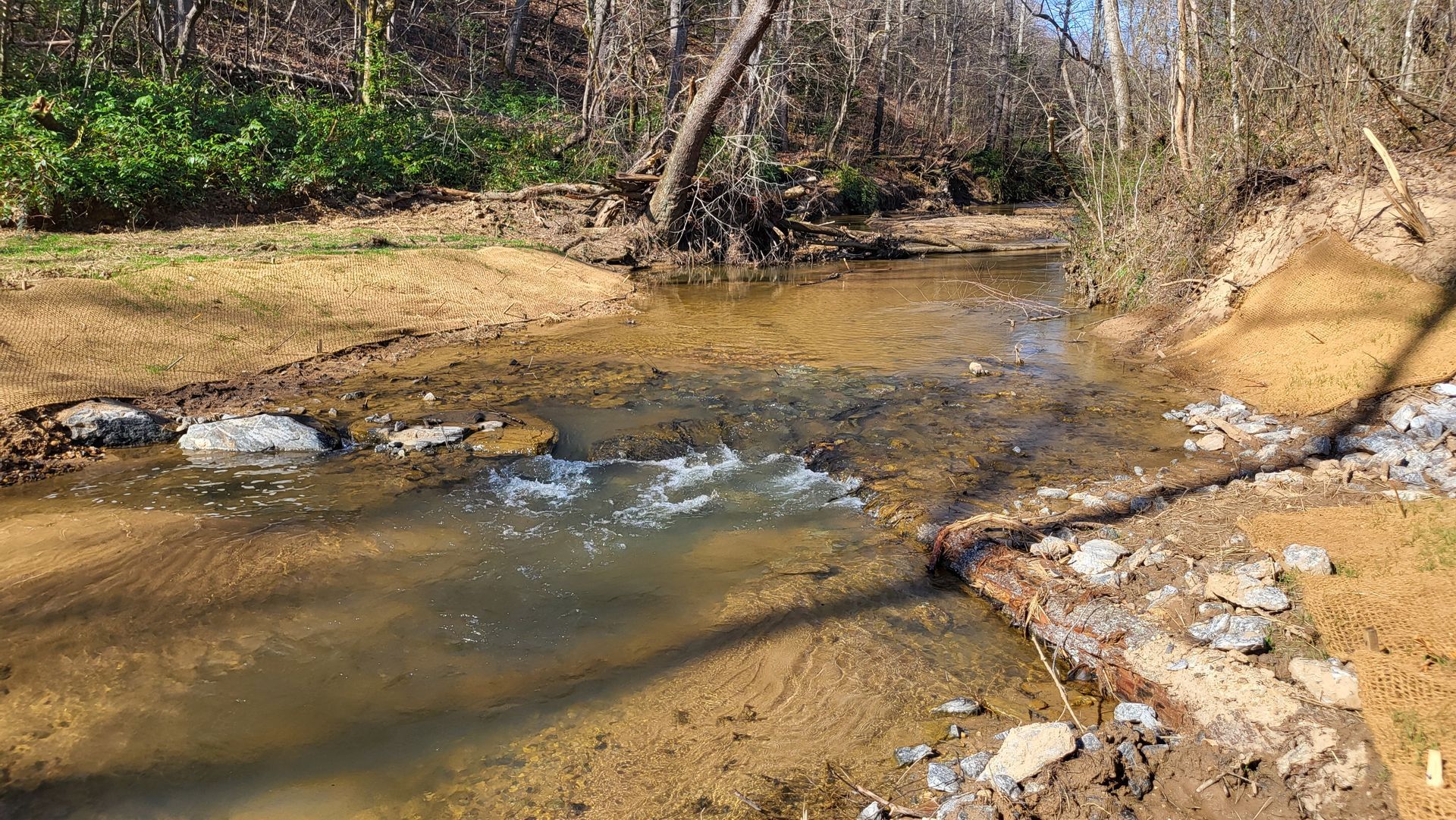
Live staking is a streambank restoration approach that reduces erosion and sediment pollution. This is the practice of planting dormant branch cuttings of native plants along streambanks (also known as riparian zones) to help hold soil in place along the waters' edge. Live stakes are planted along with native plant seeds and shrubs to create riparian buffers, which help prevent sediment from becoming a stream pollutant by securing the soil in place with good root systems. Riparian buffers also filter out other pollutants, such as chemicals, oils, fertilizers, and trash, before they enter our waterways.