
Welcome to the Catawba Riverkeeper Foundation
Our River’s designation as America’s Most Endangered River (by American Rivers in 2008), its listing on the Top Ten Endangered Places in the Southeast (by the Southern Environment Law Center in 2010), its listing as the 4th most stressed river in the United States (by the Union of Concerned Scientists in 2011) and recent fish advisories for unsafe levels of metals and PCBs highlight the need for Catawba Riverkeeper Foundation and our volunteers to continue the work of advocating for and securing protection and enhancement of our River.
Catawba Riverkeeper Files Suit Against SCE&G to Cleanup Ash Ponds
On January 12, 2012, Catawba Riverkeeper (represented by the Southern Environmental Law Center) filed an action in United States District Court in Columbia, South Carolina to compel the cleanup of the coal ash ponds at the Wateree Steam Station near Eastover, South Carolina. These coal ash ponds have history of leakage into the groundwater and the Wateree River. For more information about the lawsuit, click here. To read a copy of the Complaint, click here.
New Mercury and Air Toxics Rule Provides Much Needed Protections
Have you heard about the major victory that will reduce emissions of mercury, other heavy metals and acid gases from coal-fired power plants by up to 91%?
It's called the new Mercury and Air Toxics Rule, and EPA signed it into the books on December 16, 2011. This new rule will go a very long way toward ensuring swimmable, fishable and drinkable water in the Catawba River on top of helping clean up our air quality. Catawba Riverkeeper is thrilled to be a part of this solution to a mercury contamination problem that adversely affects developing brains and has effects on IQ, learning and memory.
Since Duke Energy has stated several times that they do not plan to upgrade Riverbend Steam Station, this new rule stares the antiquated coal-fired power plant along the shores of Mountain Island Lake in the face! The passage of this rule provides a true signal that the nearly 83 years-old site will shutter its doors as coal-burning facility that emits mercury, arsenic and other heavy metals into our River and spews acid rain producing compounds into our air.
EPA estimates the health benefits associated with reduced exposure to fine particles are $59-$140 billion in 2016, which far outweigh the costs of $10.9 billion in 2016. Furthermore, this rule addresses the largest source of mercury emissions (50%), acid gasses (50%) and other heavy metals (25%) into our air and water resources. This rule will avoid up to 17,000 premature deaths, 220,000 cases of respiratory symptoms, 4.500 cases of chronic bronchitis, 11,000 nonfatal heart attacks, 120,000 cases of aggravated asthma, 12,200 hospital and ER visits and 5.1 million days of restricted outdoor activities. To read more about this new rule, you can visit EPA's page dedicated to explaining the rule, its implementation and its benefits here.
Catawba Riverkeeper Honored with Blue Fin Award
At the December meeting of the Mountain Island Lake Marine Commission, Catawba Riverkeeper David Merryman accepted the annual Blue Fin Award. The award honors people and organizations that have “done positive things on or around Mountain Island Lake that benefit the lake residents and its visitors.” The award recognizes both the testing that David has done to identify high levels of heavy metals and PCBs in fish and sediment, but also the work that the many dedicated volunteers have done to respond to and prevent pollution of Mountain Island Lake. Mountain Island Lake is the primary source of drinking water for approximately 860,000 people in Charlotte, Mt. Holly, Belmont, Gastonia, Matthews, Mint Hill and Pineville. This is the second time that Catawba Riverkeeper has been the recipient of the award.
Report Documents Stress to Catawba River from Power Plants
According to a new report, water used to cool power plants that generate electicity are stressing freshwater resources around the country. One of the most stressed rivers is the Catawba River. Catawba Riverkeeper is partnering with the Southern Alliance for Clean Energy and the Union of Concerned Scientists to release the report, which calculated the available water in every major watershed in the U.S. and measured that against the water used by power plants in each watershed. The new research found that the Catawba basin – a region commonly viewed as having an abundance of water – is experiencing high water-supply stress. Unlike the Southwest, where the majority of power plants have minimized their water use, a large share of water stress in the Southeast is being caused by power plants. The study found that power plants (primarily those owned by Duke Energy) consume between 5 and 19 billion gallons of water per year for cooling from the Catawba River basin. A Duke Energy study concluded that by 2048 water supply in the Catawba River will not be able to meet demand. To view a copy of the report, click here. For an overview of the collision between energy and water, click here.
224,862 leftover and expired Medications Dropped-Off at Events in Charlotte-Mecklenburg on Oct. 29
Poisoning from prescription drugs is one of the leading causes of death in the United States. If that isn't bad enough, these drugs are also poisoning our water! Even though water treatment plants can kill bacteria and remove most metals, they CANNOT remove prescription drugs. In fact, prescription drugs like birth control, blood pressure medications and anti-depression drugs have been found in municipal drinking water supplies throughout the U.S. These endocrine disrupting chemicals in the water have lead to male fish growing eggs instead of sperm.
So, don't flush them - find a Drop-Off Event near you. Remember, don't flush your pills down the toilet or sink, they will only end up in your drinking water supply leading to problems never imagined. The next major drop-off event will be held in Spring 2012.
New Interactive Map Shows Location of Pollution Incidents
CRF has added a new interactive map to the website that shows the location of reported spills and other pollution incidents. This map was developed by SkyTruth and a link is embedded in our website. Users of the map can click on the pollution incident icons for more information about each pollution incident. To access the interactive pollution incident map, click here. To access other maps of the Catawba-Wateree River basin, click here.
Volunteers Remove Tons of Waste from the Catawba River - Oct. 1

Around 1,000 people came out to Lake Wylie on a brisk Saturday morning, October 1, 2011 to participate in the 10th Annual Lake Wylie Riversweep, sponsored by Catawba Riverkeeper Foundation and the Lake Wylie Marine Commission. This number doesn't include the hundreds of volunteers that showed at other clean-up events throughout the entire Catawba River basin. Thanks to the coordinating efforts of CRF volunteers, CRF participated and/or organized major clean-up events at Lakes James, Hickory, Norman, Mtn Island, Wylie and Wateree as well as various creek and river segments, including Little Sugar Creek in the NoDA neighborhood of Charlotte.
Grand totals of waste collected and photos from the event will be posted on this website as soon as they are available. So, check back to see what the vast efforts of thousands accomplished.
Proposed Dam in Lancaster County, SC Along Catawba River Unnecessary
Catawba River Water Supply Project, a venture of Lancaster County, SC and Union County, NC, applied for a permit to build a 92 acre reservoir that would hold over 1 billion gallons of water pumped from the Catawba River.
Catawba Riverkeeper, American Rivers and the U.S. EPA have submitted comments raising concerns about this project and opposing this project in its current form. Additionally, the NC-SC Catawba Wateree Bi-State Advisory Commission has scheduled a special meeting on Oct. 7, 2011 to learn more about the proposed dam. Read more about this project and read comments submitted to the Corps here under Interbasin Transfer (IBT).
Catawba Riverkeeper Testing Leads to Fish Advisories for PCBs
In late 2010 and early 2011, health officials in North Carolina and South Carolina announced sweeping new fish-consumption advisories for the Catawba River from Mountain Island Lake (near Charlotte) to Lake Wateree (near Columbia). Channel catfish and largemouth bass taken from the Catawba River were found to have high levels of polychlorinated biphyenyls (PCBs) and mercury. Health officials are recommending the people avoid eating channel catfish from certain areas and limit consumption of largemouth bass, blue catfish and striped bass from some areas. PCBs can lead to the development of cancer, neurological development delays in children, infection, skin and nail irritations, and problems with the immune and reproductive systems. Mercury is a potent neurotoxin that can, among other things, cause permanent learning disabilities.
Catawba Riverkeeper has also been urging public officials to post signs warning fisherman about the risks of eating contaminated fish. For more information about plans for further testing and the lack of warning signs, click here. For more information about the fish advisories, click here.
Catawba Riverkeeper Forces Compliance at Tega Cay Water Service Wastewater Facilities
On Wednesday, November 10, Catawba Riverkeeper asked the DHEC Board to review two discharge permits issued to Tega Cay Water Service, Inc. (TCWS), a subsidiary company of Utilities, Inc. who also operates Carolina Water Service, Inc., that would allow TCWS to discharge for the next five years. Over the past few years, Tega Cay Water Service, Inc. has violated its permits that discharge into Lake Wylie for fecal coliform bacteria concentrations, total phosphorus concentrations, discharge flow amounts and sanitary sewer overflows.
See what the DHEC Board decided and view graphs of TCWS's non-compliance here.
Youth Kayaking Program
For the past three years Catawba Riverkeeper has partnered with The Salvation Army, the Boys & Girls Clubs of Charlotte and other organizations to take youth out on the River who would not otherwise have the opportunity to go kayaking or get out on the River. Catawba Riverkeeper took over 250 youth out on the water during the summer of 2010 and we are on track to take over 300 children out on the river in 2011. For more information about the youth kayaking program, or to volunteer to help with the program, click here.
Catawba Riverkeeper Video
Click below for a 13 minute video about issues facing the Catawba River:
Many thanks to volunteers Ken Teeter and Randy Miller for their work creating the video.
Link to more video about the Catawba
______________________________________________
The Catawba Riverkeeper Foundation is a 501(c)(3) non-profit organization that works to educate people about the Catawba-Wateree River, to protect the River, and to advocate for the River. It is a big job and we need your help. The Catawba-Wateree basin includes approximately 5000 miles of waterways flowing through 11 major lakes. The basin includes portions of 24 counties in North Carolina and South Carolina. Please read the upcoming events for some opportunities to participate in efforts to protect our River.
______________________________________________
FOR INFORMATION ABOUT WHAT YOU CAN DO TO HELP PROTECT THE CATAWBA RIVER AND WATEREE RIVER, CLICK HERE.
______________________________________________
For more information about the Covekeeper programs please contact the Catawba Riverkeeper david@catawbariverkeeper.org. You can view information about each of the covekeeper programs by clicking on the following links:
___________________________________________
Job Openings
Catawba Riverkeeper Foundation is not currently offering any paid positions. CRF is always willing to consider applications for unpaid student interns. More information about job openings is available here.
___________________________________________
The CRF site's banner photographs have been generously contributed by
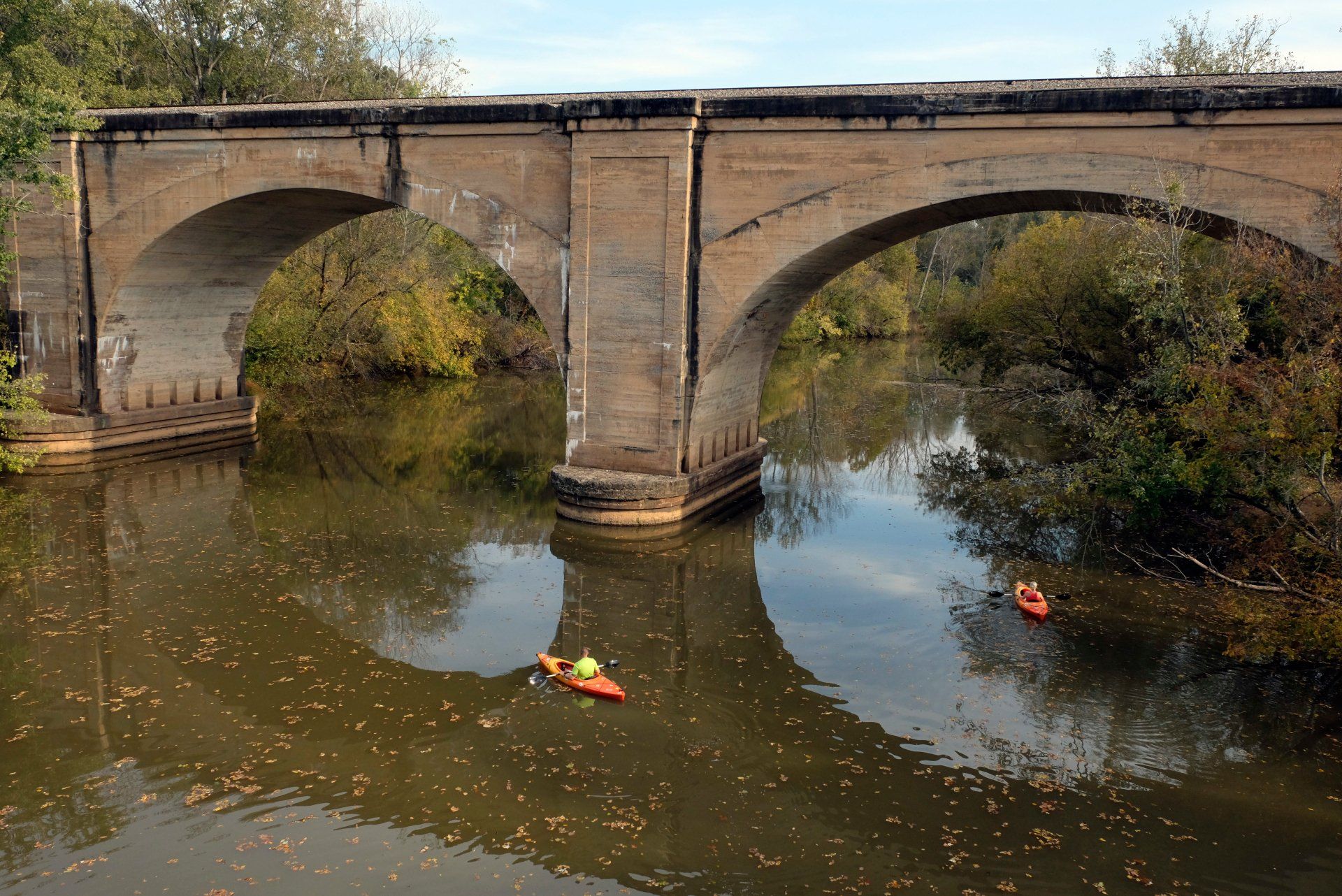
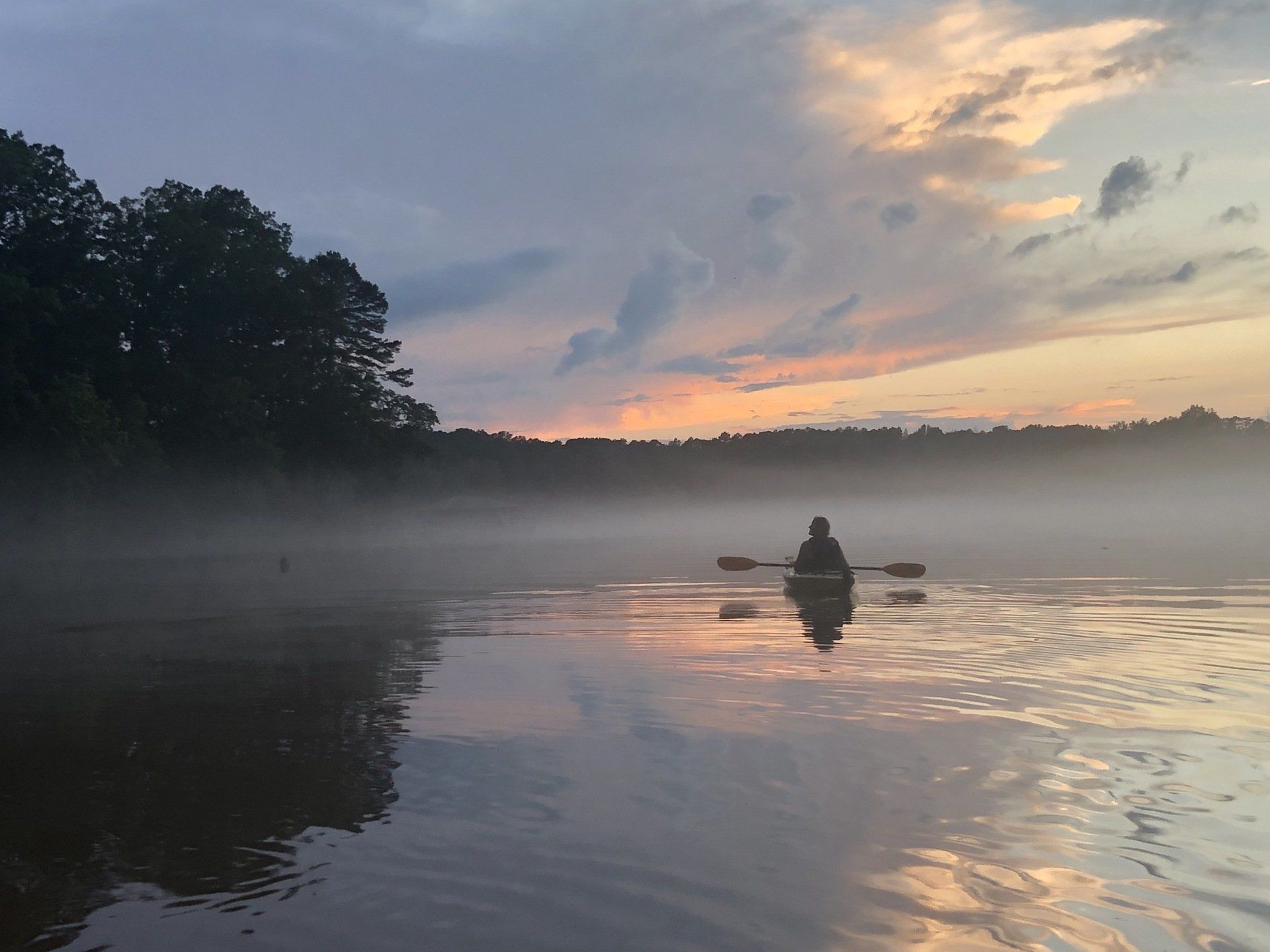
Bill Stokes and Randy Miller.