2022 Education Impact

Morgan Long • November 10, 2022

Education is the foundation for future Riverkeepers
2022 has marked the most active year in education for Catawba Riverkeeper to date. Under the leadership of Education Manager Morgan Long, our team of support staff, educators, and volunteers have served nearly 2,500 individuals with over 5,400 hours of educational programming. 


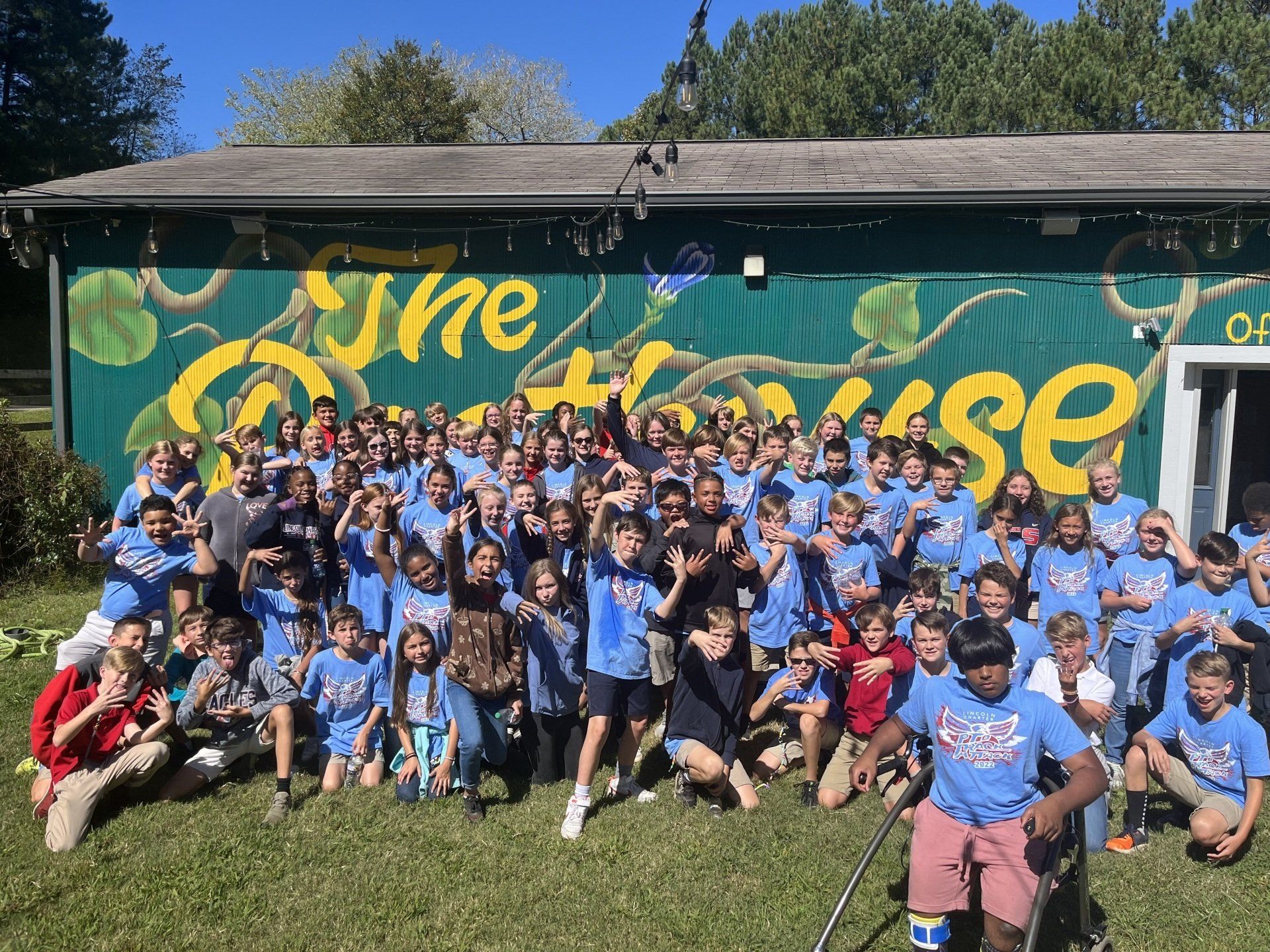
Young people continue to be the primary focus of our educational programming as we believe that teaching today’s youth about their waterways and how they can preserve, protect, and restore them is our best hope for fishable, drinkable, and swimmable waters in the future. 1,888 students in grades K-12 have participated in educational programming at Catawba Riverkeeper this year for nearly 4,800 hours. Programs for youth include a variety of offerings, including our field trip programming, which has seen a significant increase with the opening of our classroom at the new headquarters. The highlight of our 2022 field trip programs was a visit from the entire 6th grade from Lincoln Charter School (106 students)! In addition, our summer camp and Saturday morning summer education programs were popular again this year and our staff also went onsite with several groups to meet them where they are and deliver valuable water quality education programming. 


The centerpiece of our educational programming for young people is our CREEK Program. CREEK stands for Community Resources in Education, Engagement, and Kayaking and focuses on bringing water-based education and experiences to underserved communities around the Catawba-Wateree River Basin by working with existing programs to supplement their offerings. CREEK is completely underwritten through generous contributions by Crescent Communities, The Blumenthal Foundation, and Truist. In 2022, we increased the number of participants we served by 58% to 203 and delivered over 800 hours of programming through our 5 community partners. 


Last, but not least, our adult education programs have also been a huge hit in 2022. Led by our Riverkeeper Learning Series, which is underwritten by Xylem, nearly 600 adults have participated in educational programming about water related topics ranging from the history of the Catawba to the importance of clean water for great beer. To learn more about the Riverkeeper Learning Series, CLICK HERE


If you are interested in getting your school, group, or children involved in any of our education programs or if you are interested in being a volunteer educator, email Morgan Long for more information: morgan@catawbariverkeeper.org 

Video Recap from Education Manager Morgan Long
May 27, 2026
On the evening of May 26th, 2026, Catawba Riverkeeper Brandon Jones attended the Charlotte City Council Public Meeting. At this meeting, he shared our organization's comments on the proposed 150-day data center moratorium. These comments can be read below. "The Catawba Riverkeeper Foundation is a member-funded environmental nonprofit that educates, advocates, and protects the Catawba-Wateree River and all its tributaries. Our organization represents over 8,000 active members and nearly 3 million citizens who rely on the watershed for drinking water, recreation, and electricity. We are concerned that the growth of local data centers may overallocate our limited resources and decrease our ability to respond to drought. We appreciate the opportunity to comment on the proposed 150-day moratorium and strongly support the staff's recommendation to adopt it. Additionally, if adopted, we recommend that the study consider a tiered approach, transparency, and net water consumption. For our water resources, the most important data center metric is net water use. A 400 MW facility—like the one now under construction on Moores Chapel Road—may actually evaporate more water indirectly than directly for cooling. The nearby Catawba Nuclear Station uses approximately 30 MGD to produce 2,300 MW or 5.2 MGD from Lake Wylie per 400 MW. However, without transparency and reporting, it is difficult to know the current impact of these data centers and almost impossible to accurately forecast the industry's future. The most accurate forecast of our region's water resources is the Catawba Wateree Water Management Group’s 2026 Integrated Water Resources Plan. Unfortunately, this plan explicitly does not include increases in water use from data centers due to limited reliable information. It is absolutely critical that our community has accurate information. We need full transparency on the planned electrical and water use of large data centers. A ban of nondisclosure agreements between elected officials and developers could help alleviate suspicion and allow communities to make informed decisions about tradeoffs. The potential direct and indirect impact s of a project should be modeled by the CWWMG to determine its actual impacts. Those impacts could be mitigated by funding water conservation projects, as some data centers have already proposed. Once operating, we need reporting on the actual water and energy use. The cumulative impact must be understood to ensure capacity and resiliency. Water withdrawers from the Catawba utilize a Low Inflow Protocol during drought to help stretch the available supply. Large data centers need conservation plans that comply with this plan. It is hypocritical to ask residents and some businesses to restrict water use while permitting facilities that cannot or will not do the same. Most years, there is plenty of water for drinking, irrigation, ecological flows, and industry in the Catawba. However, droughts such as 2001, 2007, and today expose our vulnerabilities. These droughts are more likely in a warming climate, and we are becoming less resilient with a growing population and industrial demands. Sustainable water management requires careful planning and robust coordination between users, including data centers."
By Susannah Bryant March 19, 2026
Greg Nance has had his boots on the ground since the storm subsided.
February 19, 2026
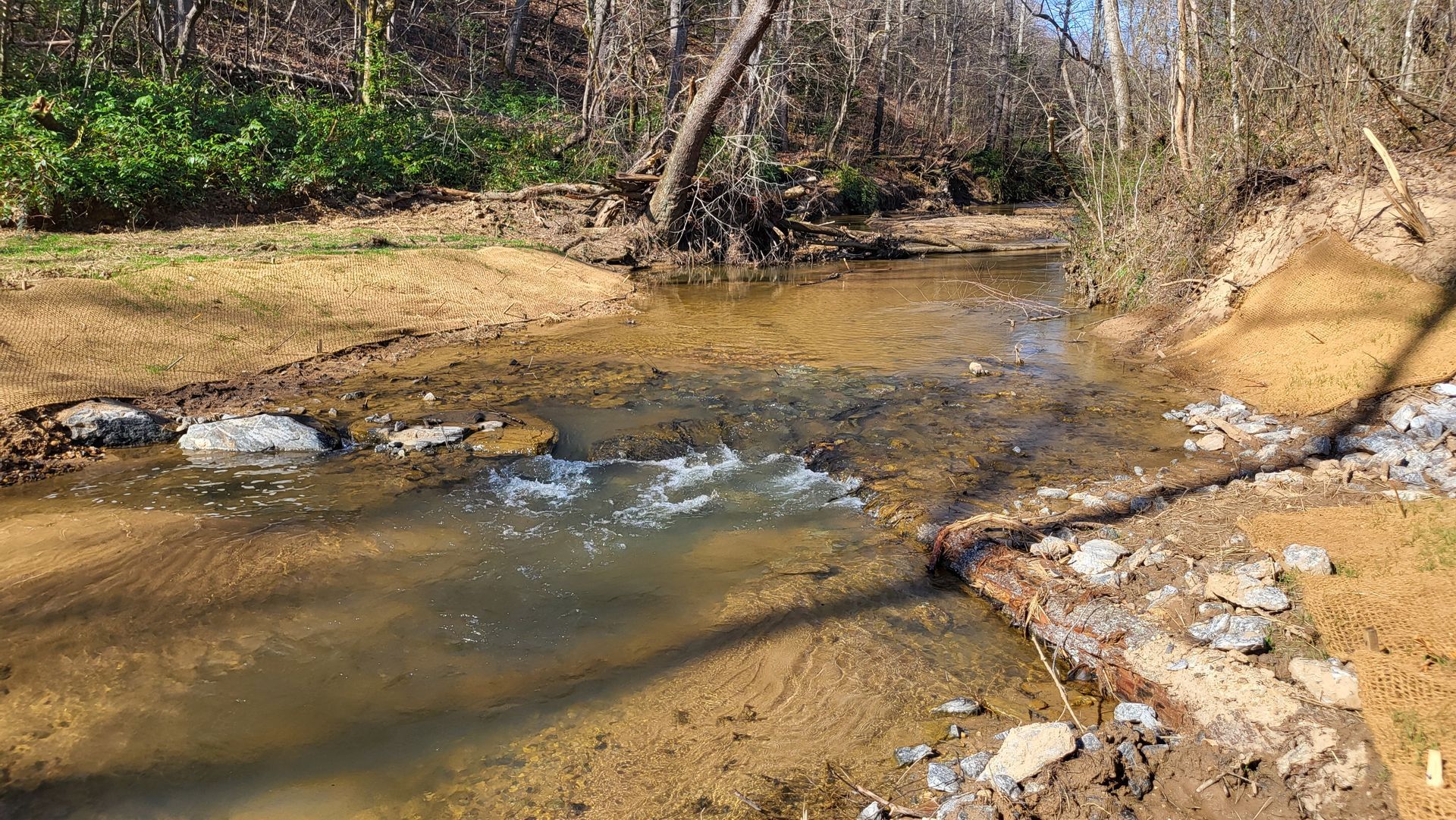
Live staking is a streambank restoration approach that reduces erosion and sediment pollution. This is the practice of planting dormant branch cuttings of native plants along streambanks (also known as riparian zones) to help hold soil in place along the waters' edge. Live stakes are planted along with native plant seeds and shrubs to create riparian buffers, which help prevent sediment from becoming a stream pollutant by securing the soil in place with good root systems. Riparian buffers also filter out other pollutants, such as chemicals, oils, fertilizers, and trash, before they enter our waterways.