Comments on Charlotte Water's Interbasin Transfer Request

Brandon Jones • August 2, 2024

Sustainable Solutions: Water Conservation, Mitigation, & Assessing Impacts on Endangered Species
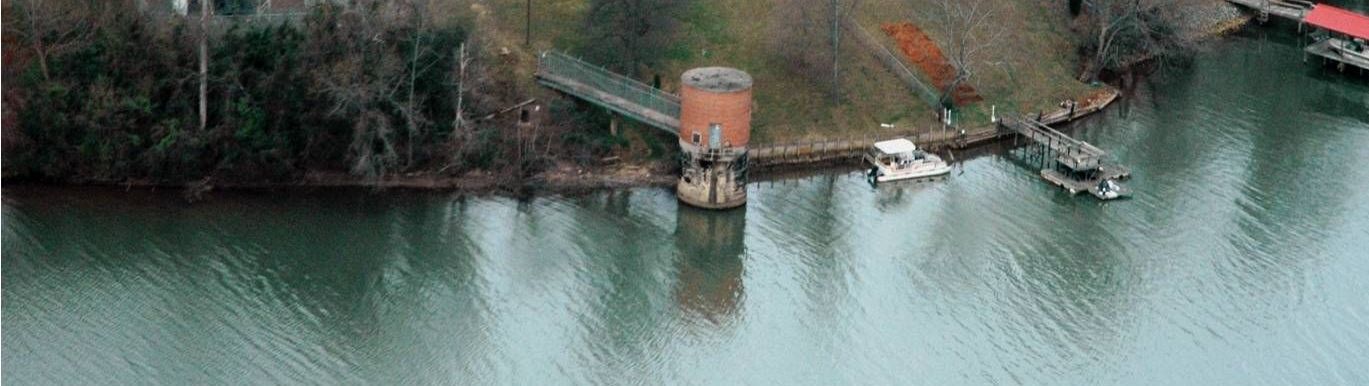
Catawba Riverkeeper works to preserve, protect, and restore the Catawba-Wateree watershed for all. We are currently working with over 6,000 active members who are concerned about the proposed expansion of Charlotte Water’s Interbasin Transfer (IBT) and the similar future requests from municipalities across the basin. 


Twenty-three years ago, the first Catawba Riverkeeper, Donna Lisenby, spoke in a similar forum as Charlotte requested to expand its legacy IBT of 16.9 to the current 33 million gallons per day (MGD). She also spoke out during the 2006 IBT request of Concord and Kannapolis. In 2010, our organization advocated during the South Carolina vs. North Carolina Supreme Court case. Eleven years ago, we commented on the proposed amendment to Charlotte Water’s permit. It is my lofty goal to be the last Catawba Riverkeeper who must address this challenge. 


Our position is this: it is irresponsible and not sustainable to simply allocate more Catawba River water to other basins. While we have an abundance most years, it is a finite resource in a rapidly developing area that must not be over allocated. We are advocating that Charlotte Water take this opportunity to lead the region into the next phase of water conservation and mitigation. We need a new system that better captures the value of our surface waters for current and future generations. While we are still meeting with experts and stakeholders to develop our full recommendations for the August 30th deadline, there are many ways to decrease the demand for transfers and increase the available supply. 


The alternatives analysis should include requiring and incentivizing water conservation, such as high efficiency fixtures, greywater systems, and non-potable reuse. A condition of Charlotte Water’s 2002 IBT was the formation of a stakeholder group that created a Post Construction Stormwater Ordinance. A similar group could be created to develop effective water conservation measures. 


While it might not be feasible (or desirable) to create a new reservoir on the Rocky River, Charlotte Water could offset their use through mitigation. One solution is to establish a fund that all future IBT’s would pay into. This could be used for funding source water protection, groundwater recharge, loss prevention, restoration, etc. Such a fund already exists in the Catawba Wateree Management Group. 


Finally, we recommend reassessing the impacts to the federally endangered Carolina Heelsplitter. Many of the recommendations from federal and state biologists were not adopted during the last permit and should be reconsidered with the latest decade of data. 


As demand for water continues to grow in the Charlotte region, we are looking forward to being part of a sustainable solution. 
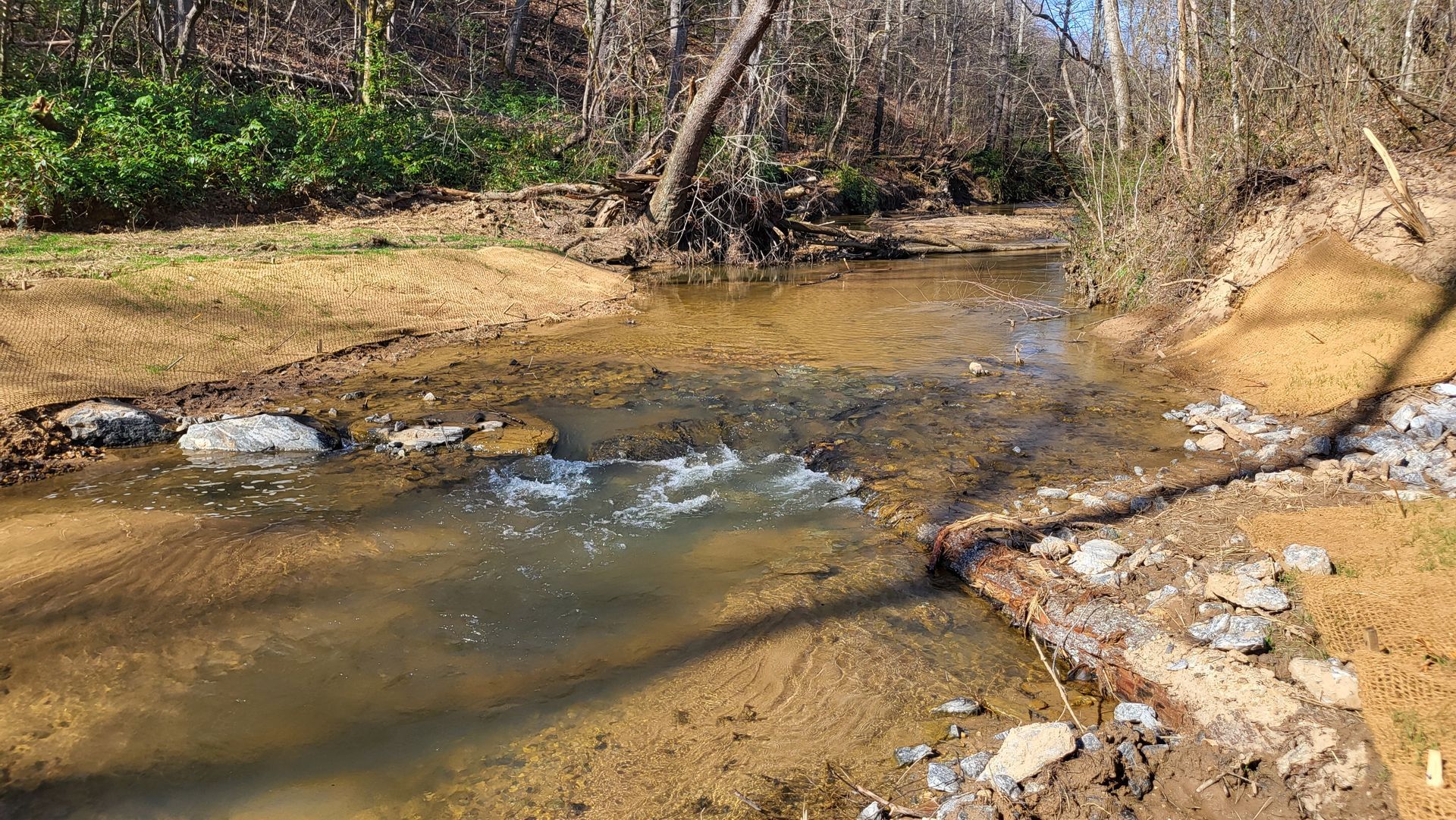
Support Our Work on IBTs
December 17, 2025
Catawba Riverkeeper is pleased to announce that Dr. Mo Drinkard has been hired as their new Executive Director. A standout among over 100 applicants, Mo was offered the position by the Catawba Riverkeeper Board of Directors search committee on Thursday, November 20th, and she assumed her role as leader of the organization on Monday, December 1st, 2025. Catawba Riverkeeper Brandon Jones, who participated on the search committee, shared that “Mo’s education, experience, and passion are directly aligned with the organization’s mission and needs. We are excited for her perspective and leadership in continuing the critical work of protecting our waters.” Mo is a mission-driven non-profit leader, professor, and scholar with a passion for building strong organizations, nurturing future leaders, and tackling big challenges in conservation, equity, and education. With over 20 years of experience spanning academia (Kent State University, Brevard College, Miami University), community partnerships, and environmental science, she's worn many hats: executive director, grant writer, program architect, DEIB strategist, faculty and student mentor, and not often enough, field biologist in muddy boots. Mo's work lives at the intersection of applied research and social change. She specializes in transforming great ideas into funded, functional, and impactful programs, whether that’s designing experiential learning curricula, guiding strategic organizational turnarounds, or helping community-based groups access the resources they need to thrive. From leading national workforce development initiatives to restoring urban watersheds (Doan Brook Watershed Partnership) and mentoring the next generation of environmental scientists, Mo brings an entrepreneurial spirit and deep subject matter expertise in biology, ecology, sustainability, and inclusion. Mo believes that science is for everyone, and that real change happens when we build spaces where all voices can lead. “I am honored and excited to offer leadership for the next chapter of Catawba Riverkeeper’s work. I believe deeply in the mission and am fully invested in the health and future of this watershed. I look forward to getting to work supporting the waterways, communities, and people that make up this expansive and impactful basin,” Dr. Drinkard said. Catawba Riverkeeper, currently one of the ten largest riverkeeper organizations in the United States, boasts over 8,000 members across the 26 counties of North and South Carolina where the waters of the Catawba flow. As the fifth Executive Director of the organization, Mo will bring new and innovative ways to advance the work of her predecessors and the mission of the organization in this new chapter of Catawba Riverkeeper’s leadership. Mo will be supported by 11 full-time staff and 22 volunteer board members to preserve, protect, and restore the Catawba River so that it sustains plentiful, clean water for generations to come.
October 13, 2025
Thank you to our 2025 Catawba Riversweep volunteers!
October 13, 2025
John Searby Steps Down as Executive Director After 6 Years of Leadership