
Helene Cleanups Continue 18 Months Later
Greg Nance has had his boots on the ground since the storm subsided.
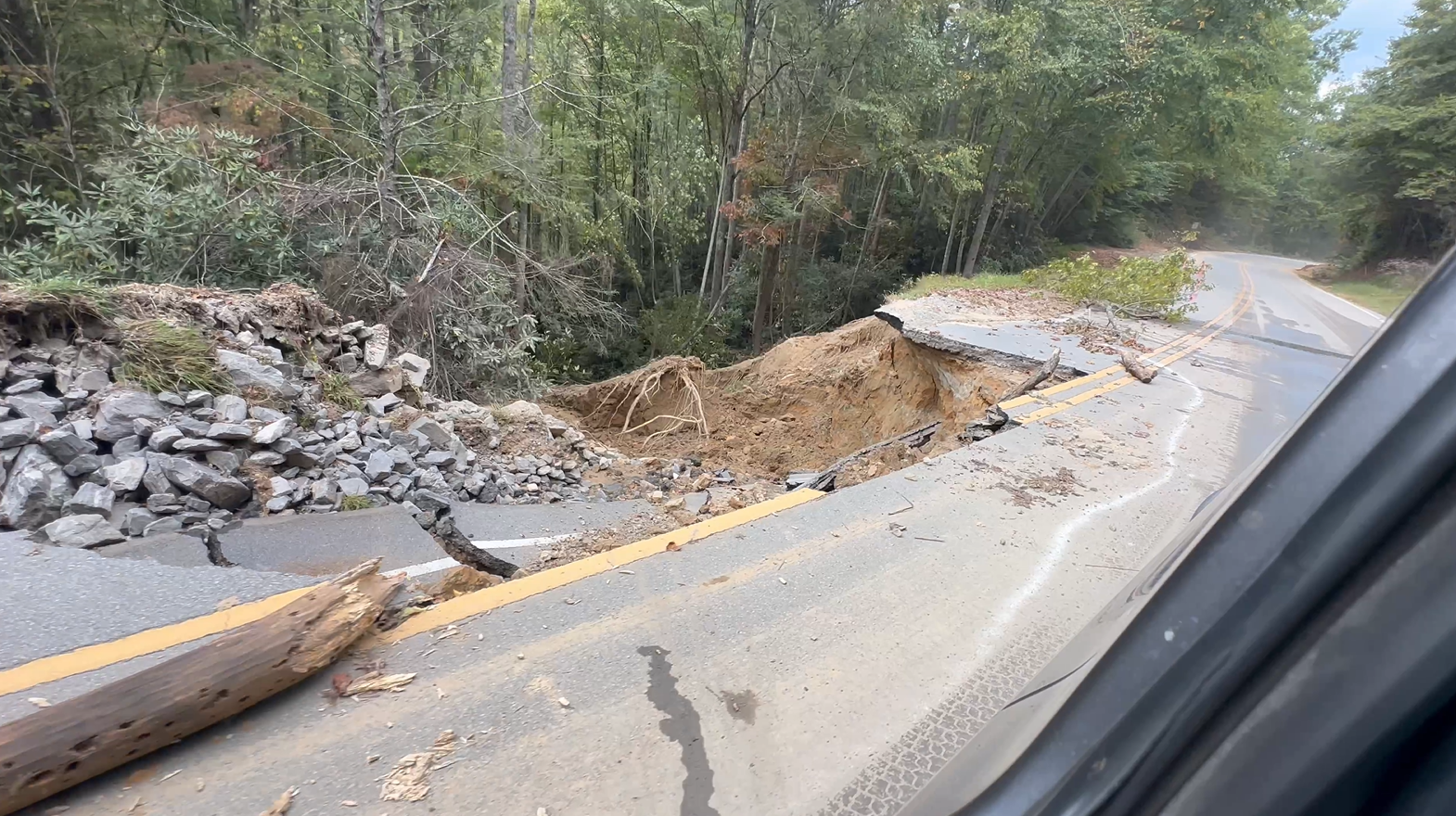
When Greg Nance headed into work on September 27, 2024, he wasn't expecting to be met with roadblocks and familiar creeks spilling onto roads with water levels higher than he'd ever seen. That morning, when he left his house in Lincoln County, North Carolina, the lights were still working—the loss of Wi-Fi was his only indicator that something was not quite right. As he headed toward the Catawba Riverkeeper office in McAdenville, his normal commute was rerouted to skirt the flooded intersection by Dutchman's Creek. Pulling into his office parking lot, Greg was met with the sight of an engorged South Fork of the Catawba encroaching on the parking lot where he sat.
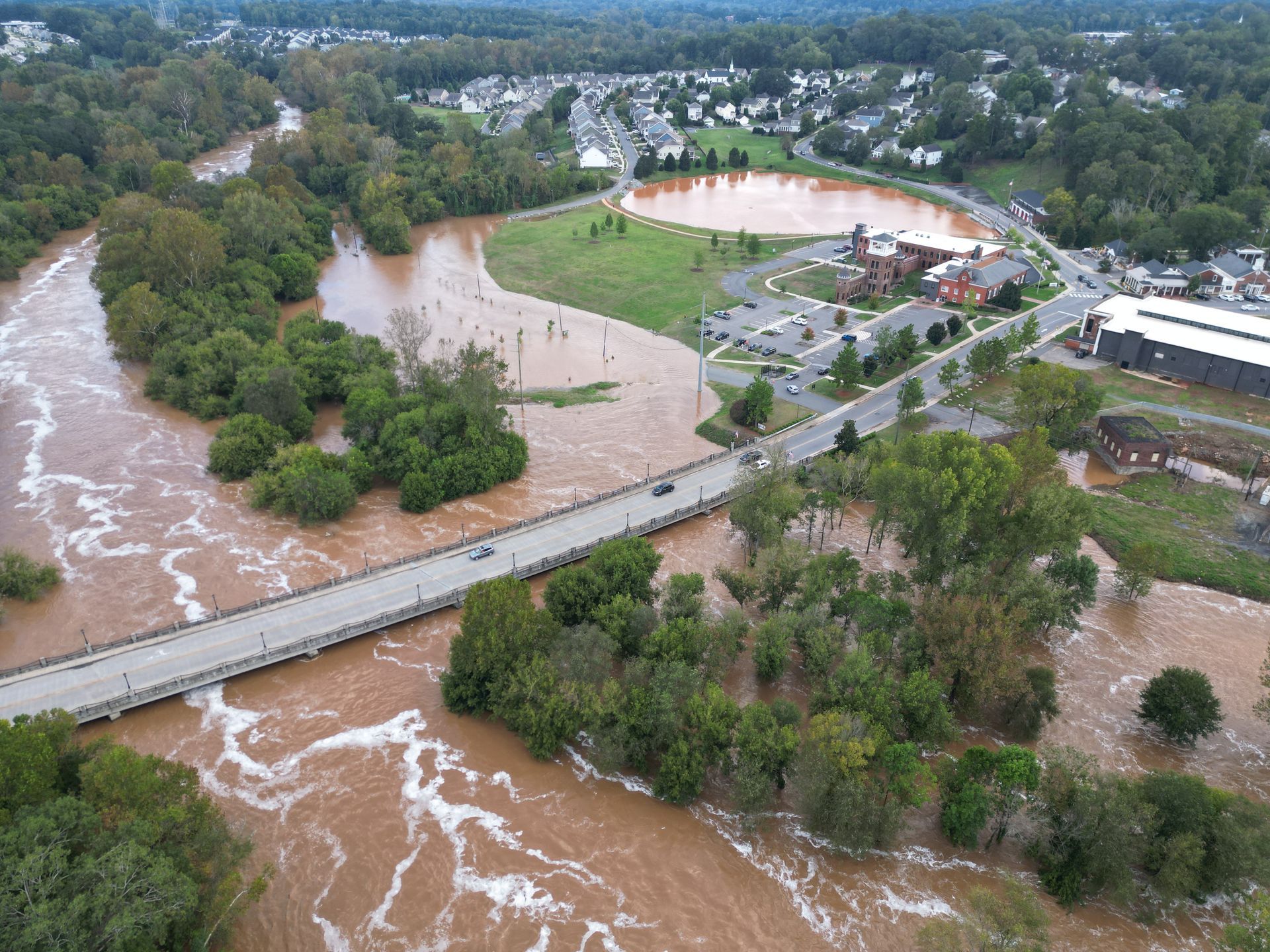
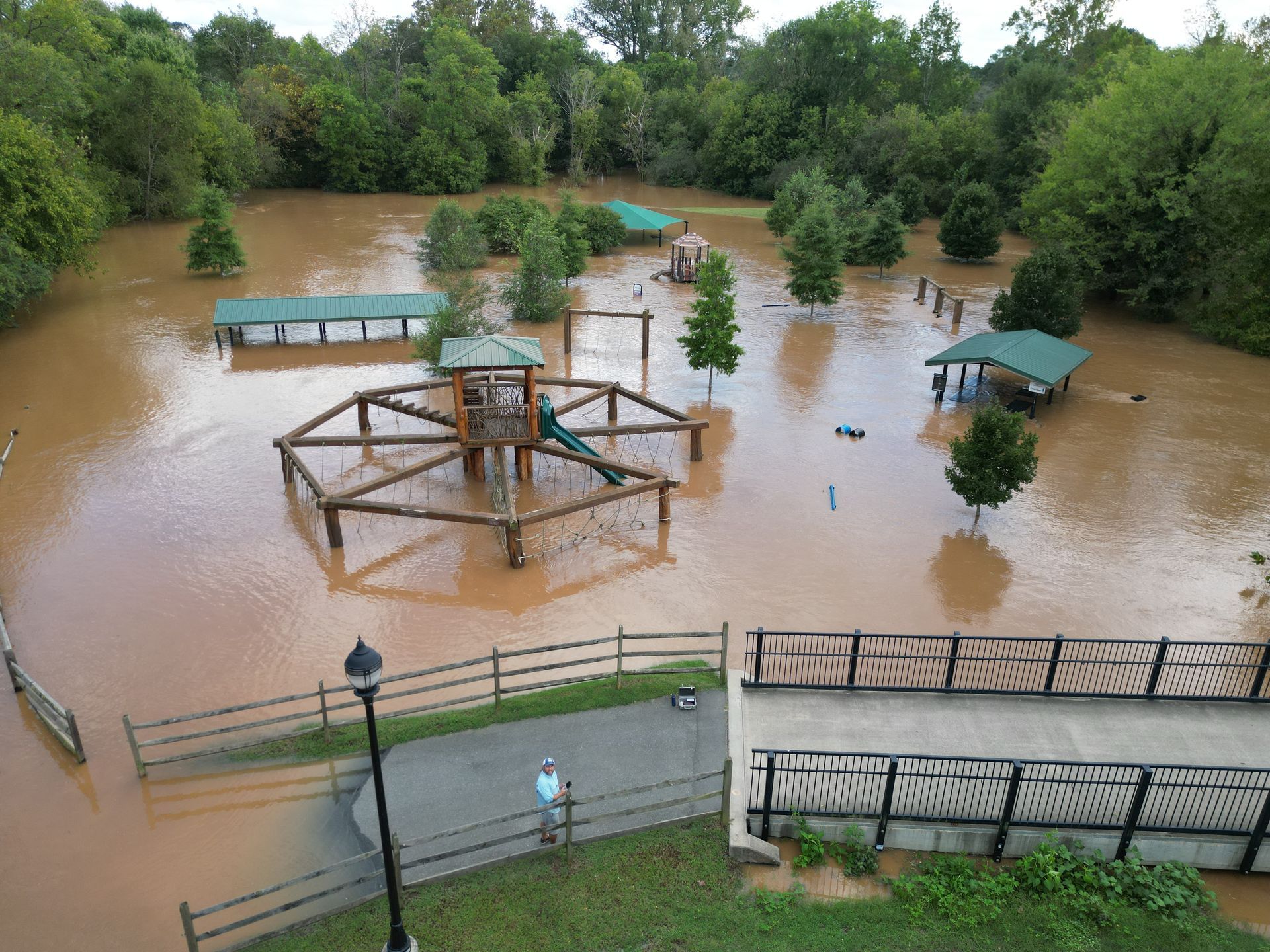
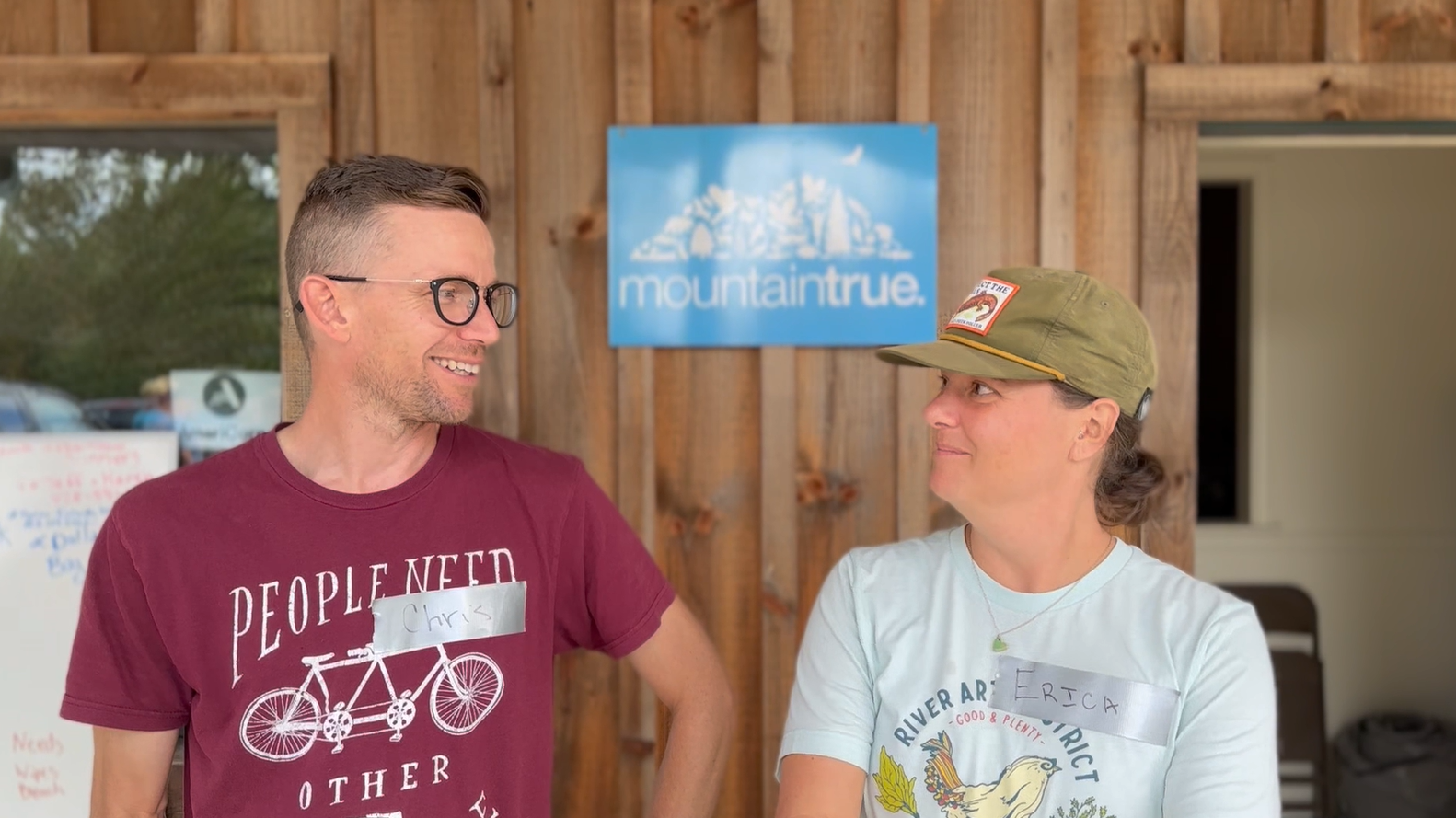
Throughout the day, news reports cascaded in with update after update of the storm that would become the deadliest hurricane the mainland US had seen since Hurricane Katrina in 2005. Even with constant reporting, it was almost impossible to know the extent of the damage caused by Hurricane Helene. The next day, Greg saw an online update from his friend Chris Wing, owner of H2O Dreams, a paddling school located on the Green River in Saluda, NC. Chris shared that he and Erica Shanks, the Green Riverkeeper, were getting some supplies together to distribute to their community.
Within 24 hours, Greg was at the Green Riverkeeper office. Cans of food and boxes of personal hygiene items lined the floor and tables of the building. Greg joined Chris, Erica, and many other volunteers to load vehicles with supplies, and then set out to deliver critical goods to neighbors whose homes had not fared well in the storm.
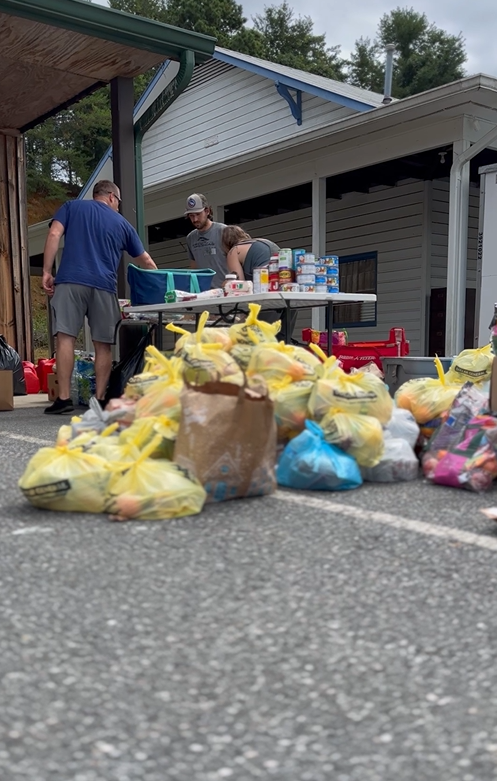
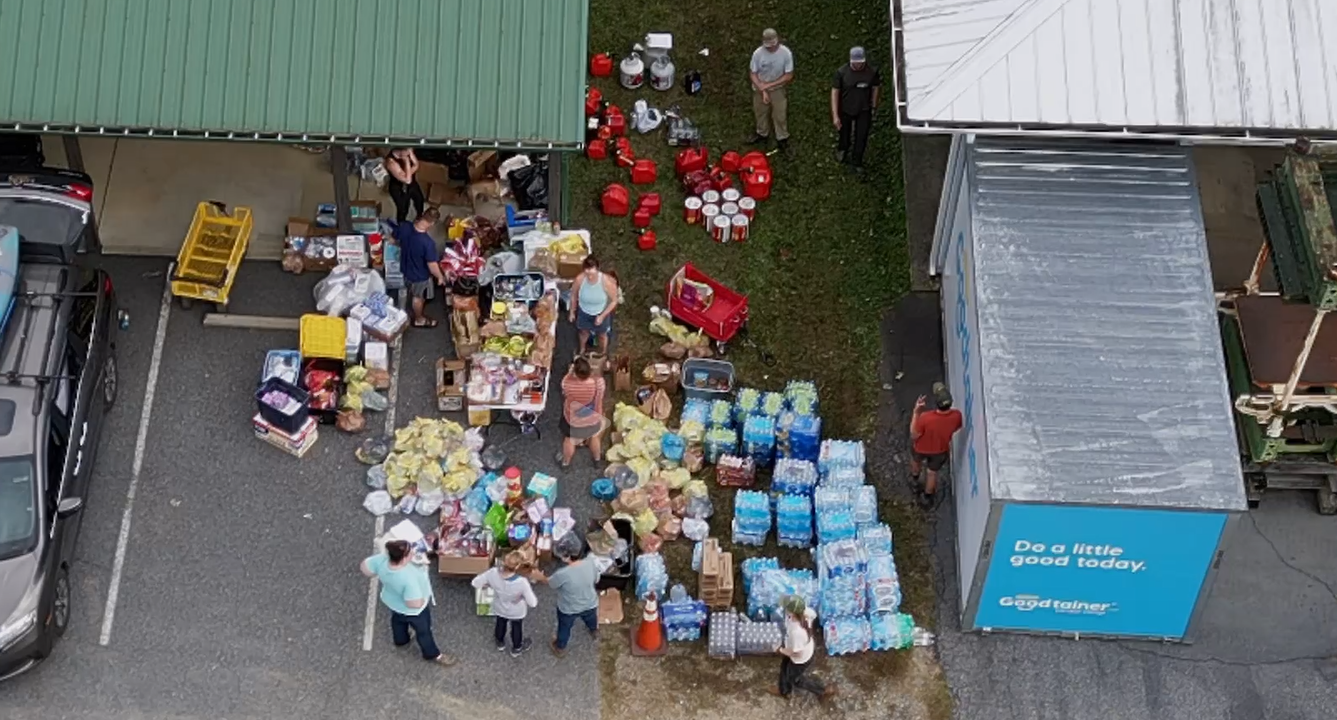
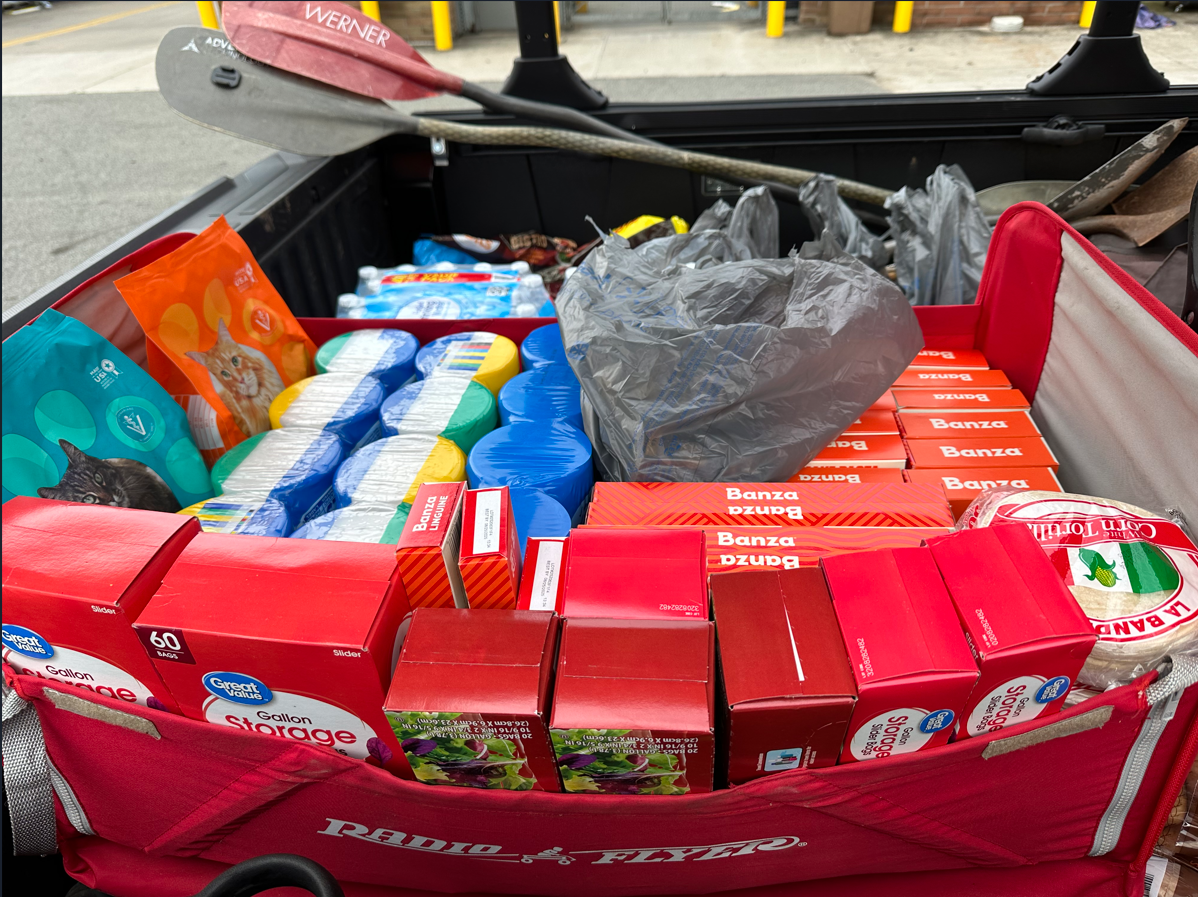
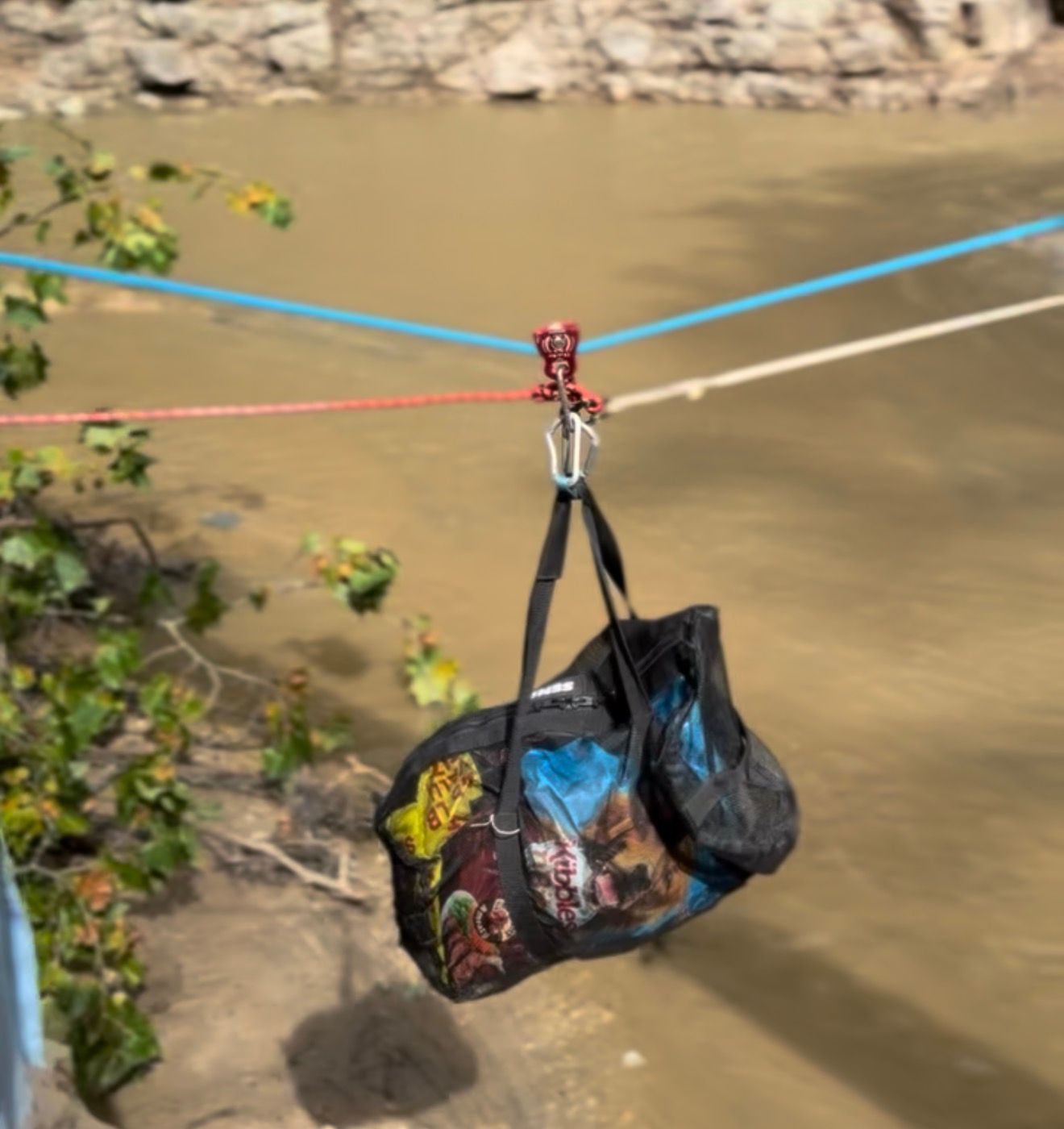
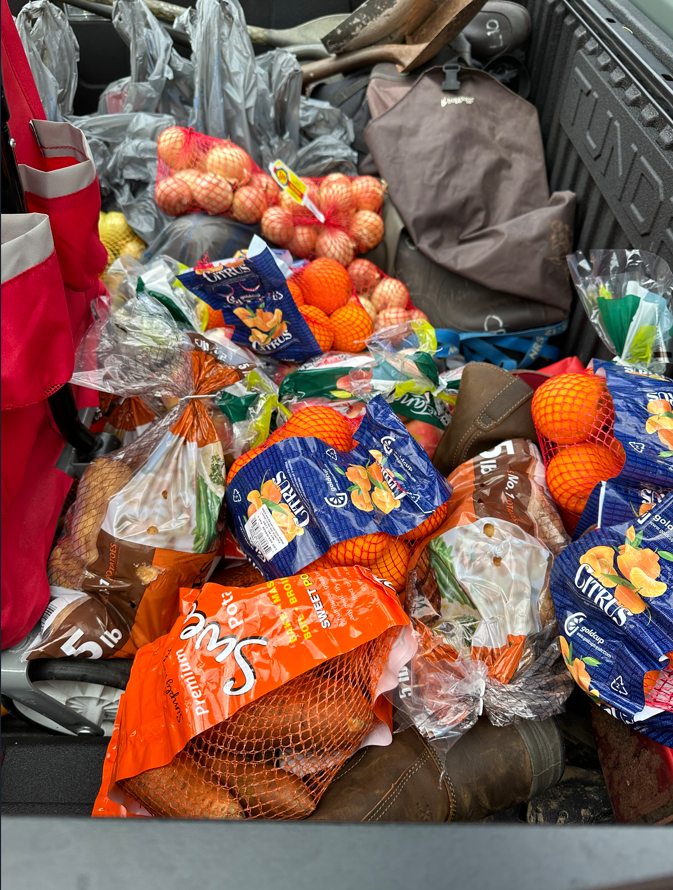
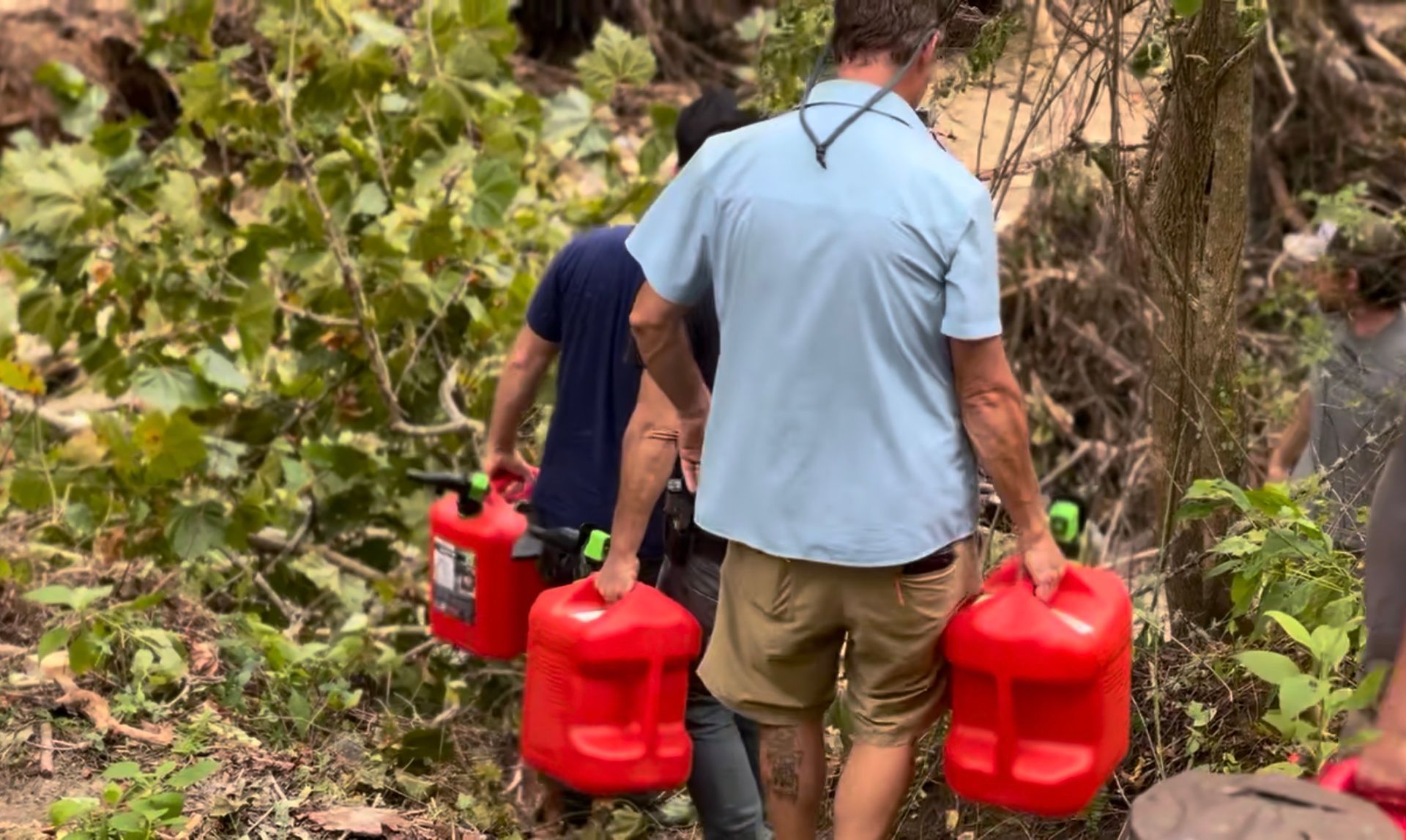
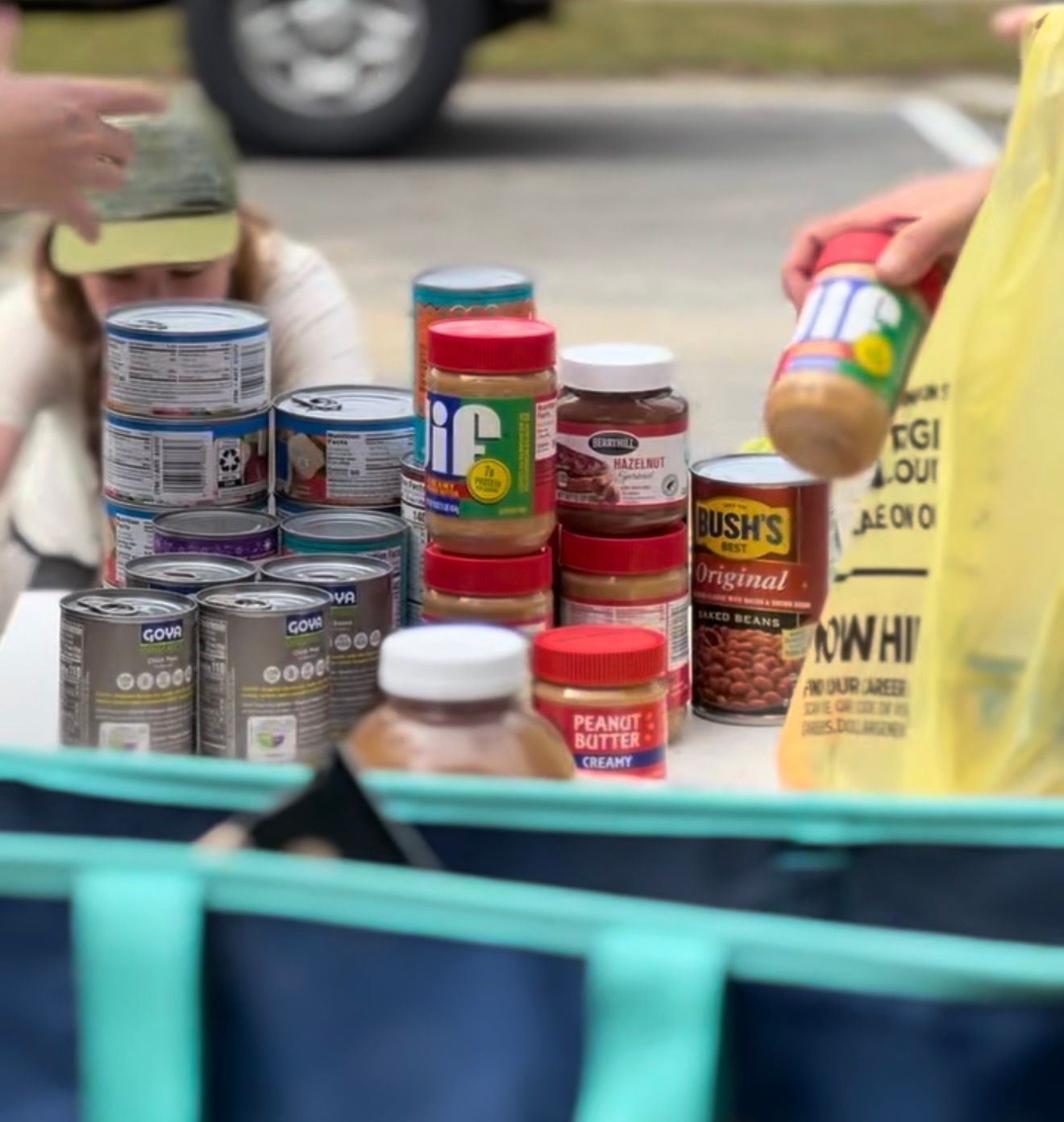
Day after day, this group continued to provide relief to neighbors in need. Their numbers grew as people realized the magnitude of the damage and searched for ways to help. After almost a week of delivering primarily food and personal items, the group saw the needs of their community shift. Though basic items were still needed, now tools and fuel were in great demand as the community began the process of cleaning up and rebuilding.
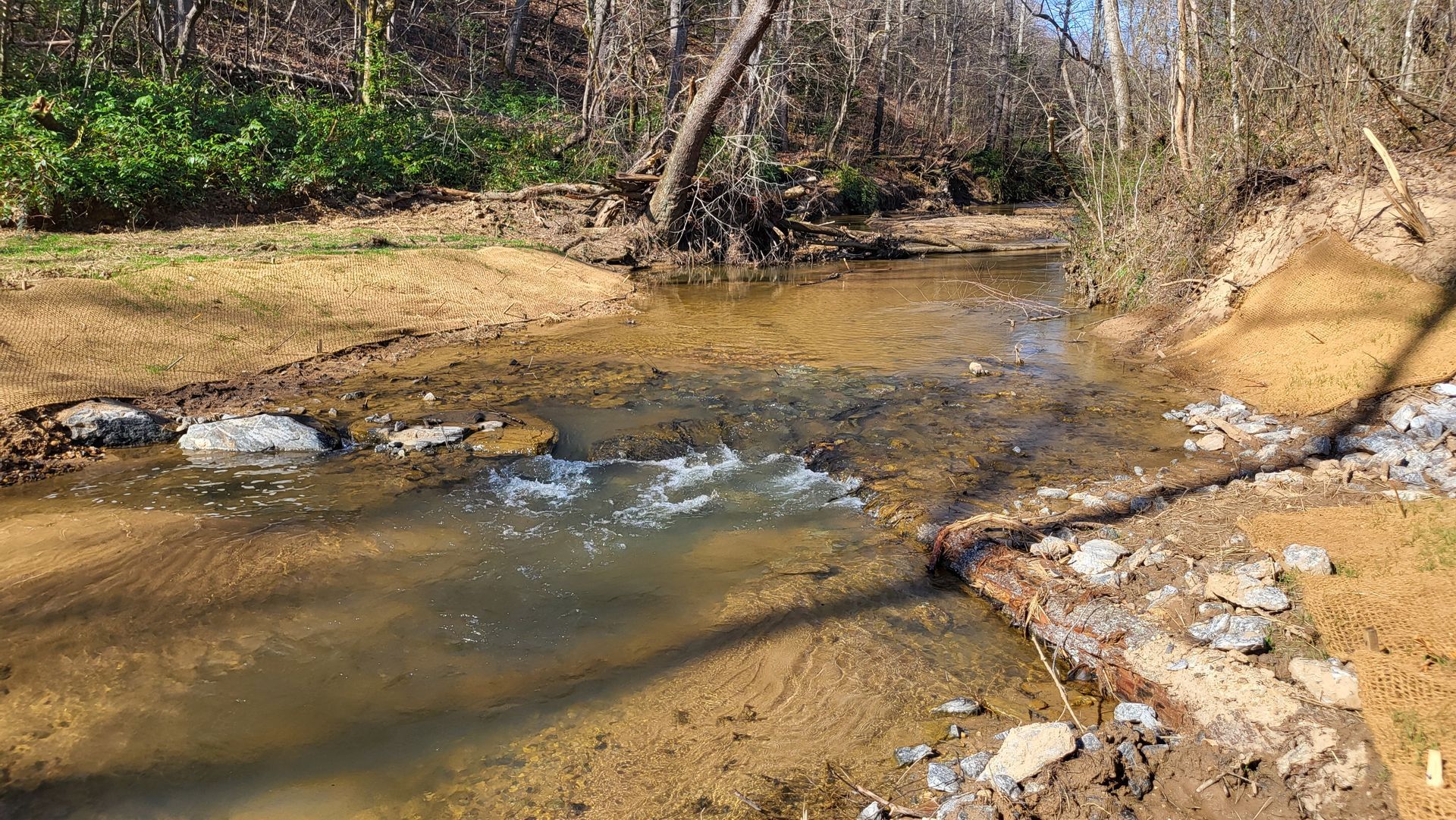
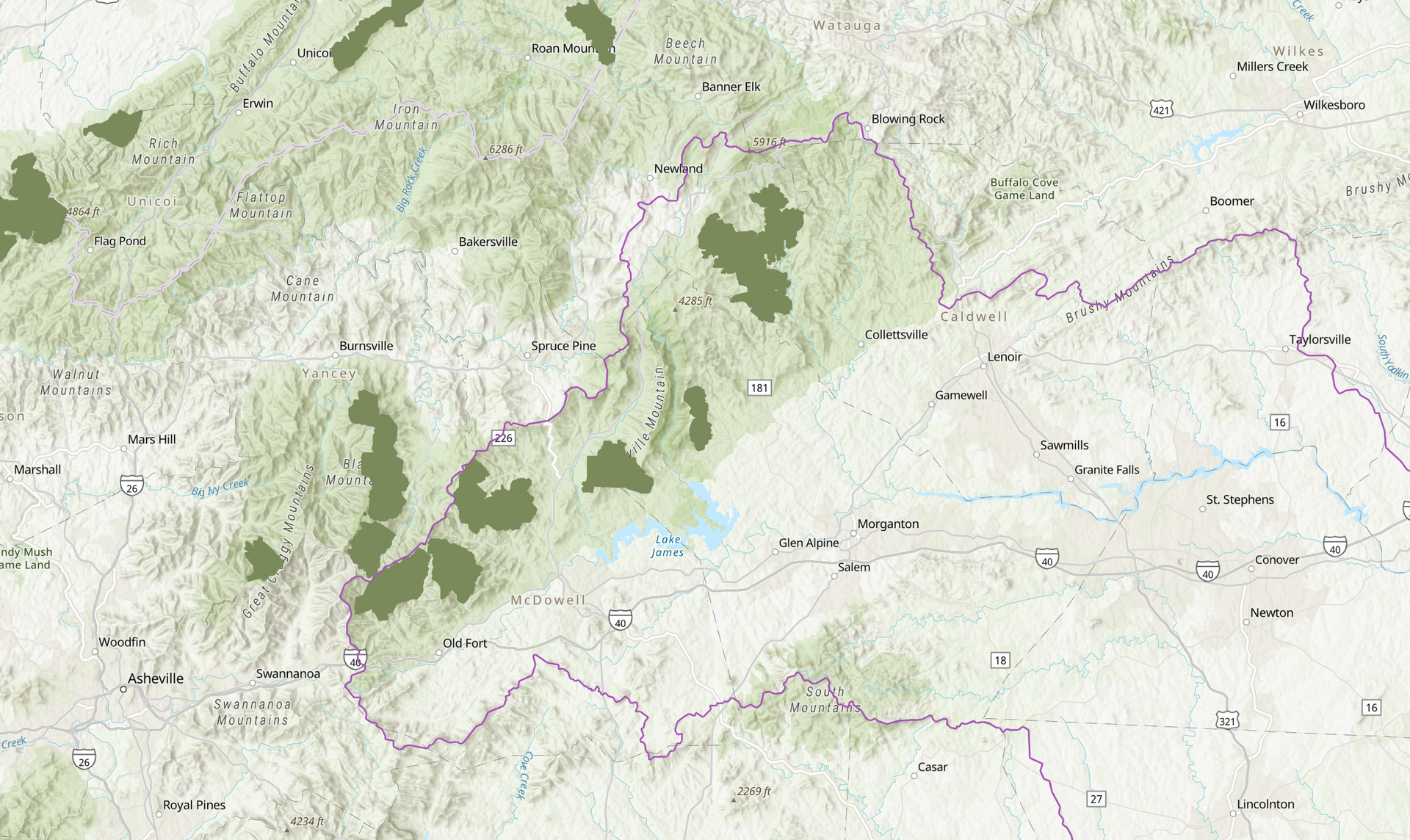
Two weeks later, Greg returned to his role with Catawba Riverkeeper and began surveying storm impacts across the Catawba River basin. Traveling from Old Fort through the Linville River, Wilson’s Creek, and Lake James, the team documented severe damage—eroded streambanks, lost vegetation, and heavy debris blockages. These assessments guided cleanup priorities, and since Helene, Catawba Riverkeeper staff and volunteers have removed over 80,000 pounds of debris from the basin.
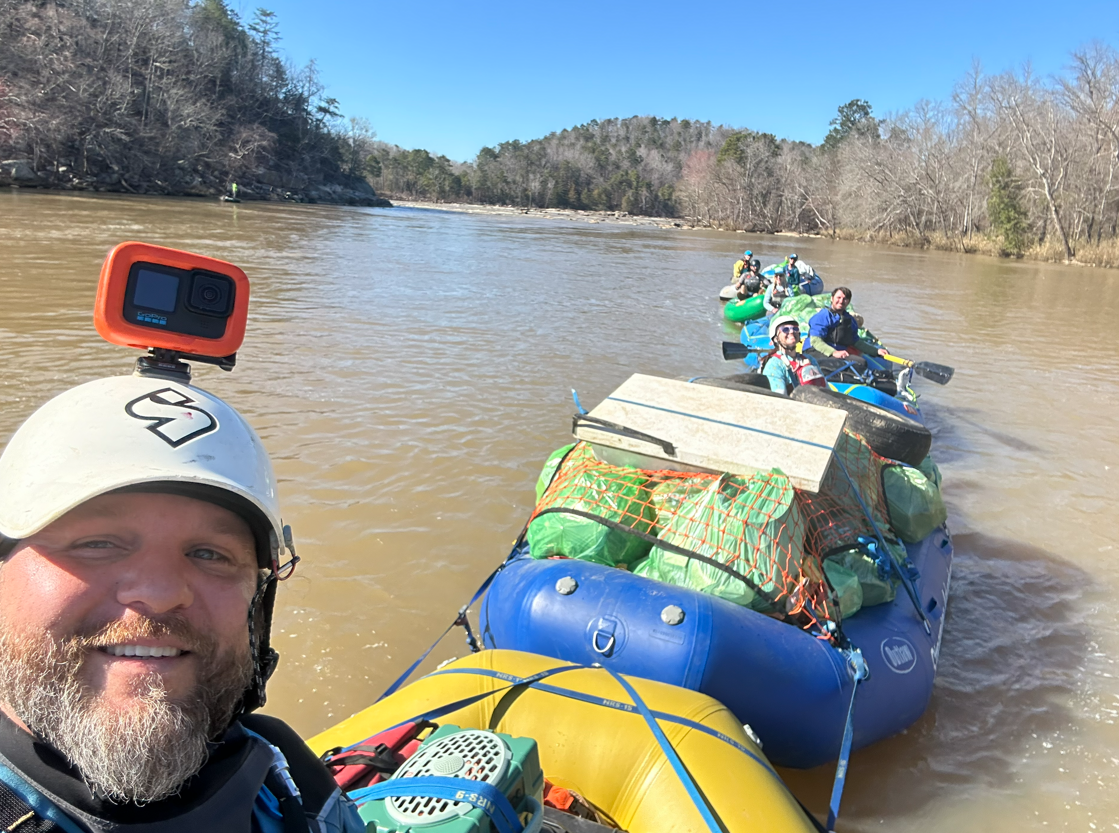
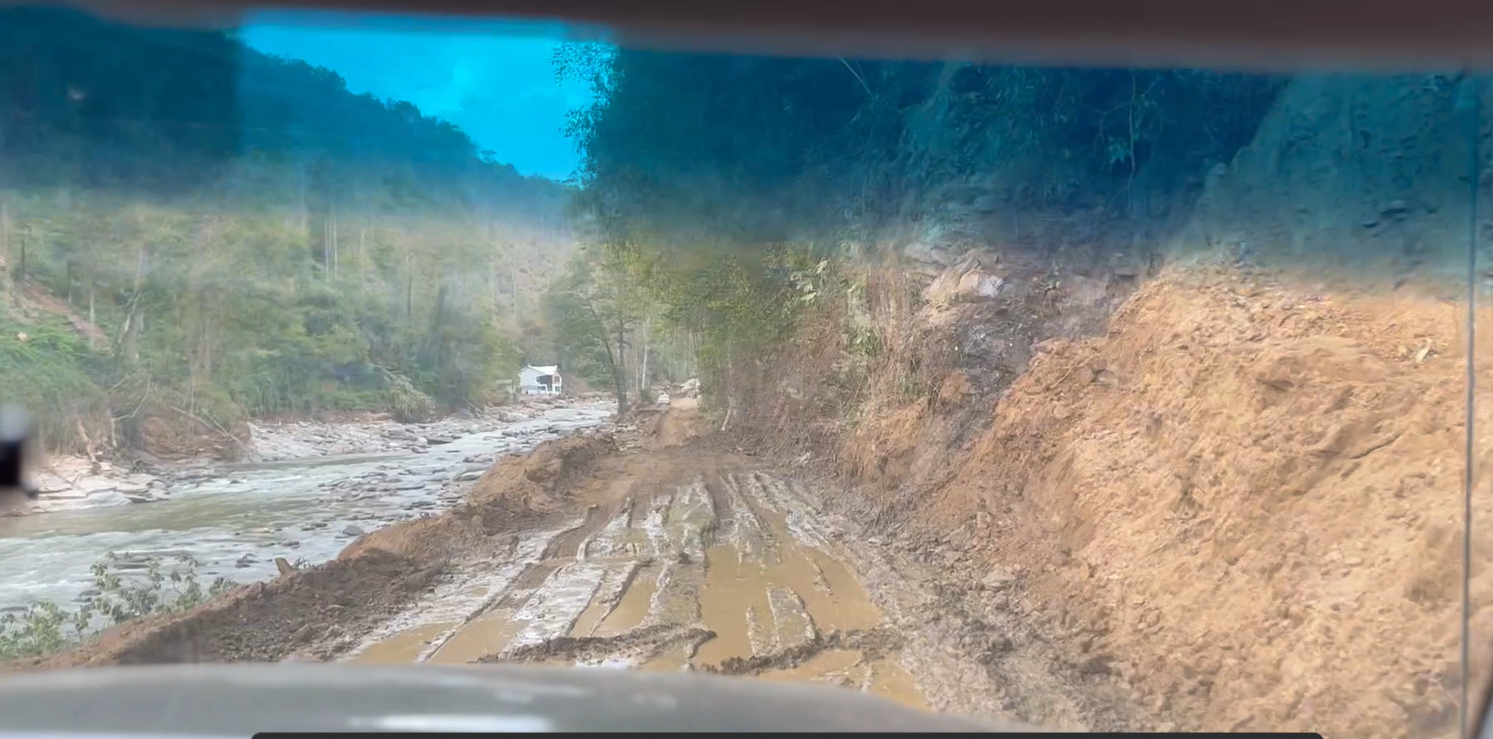
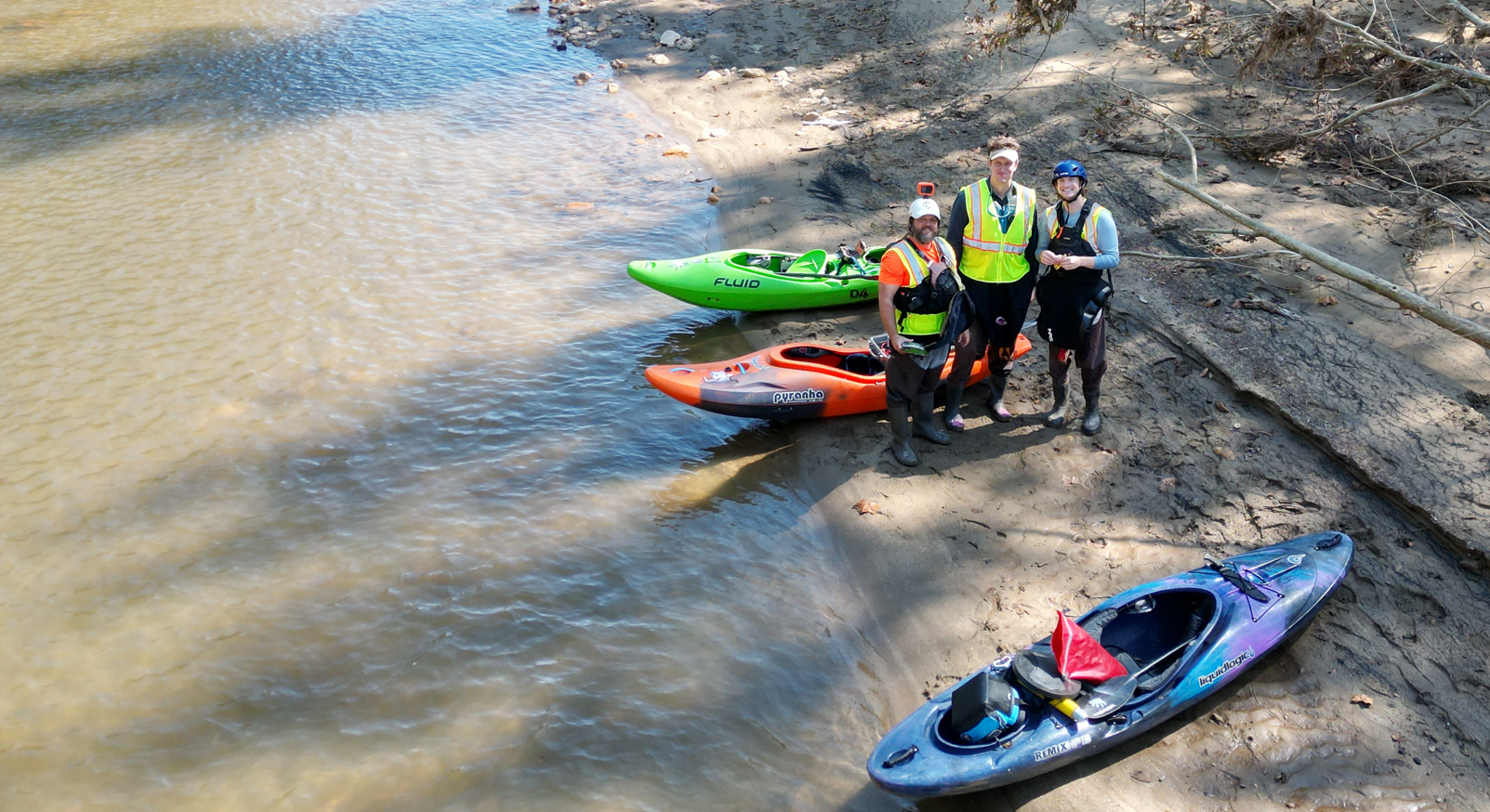
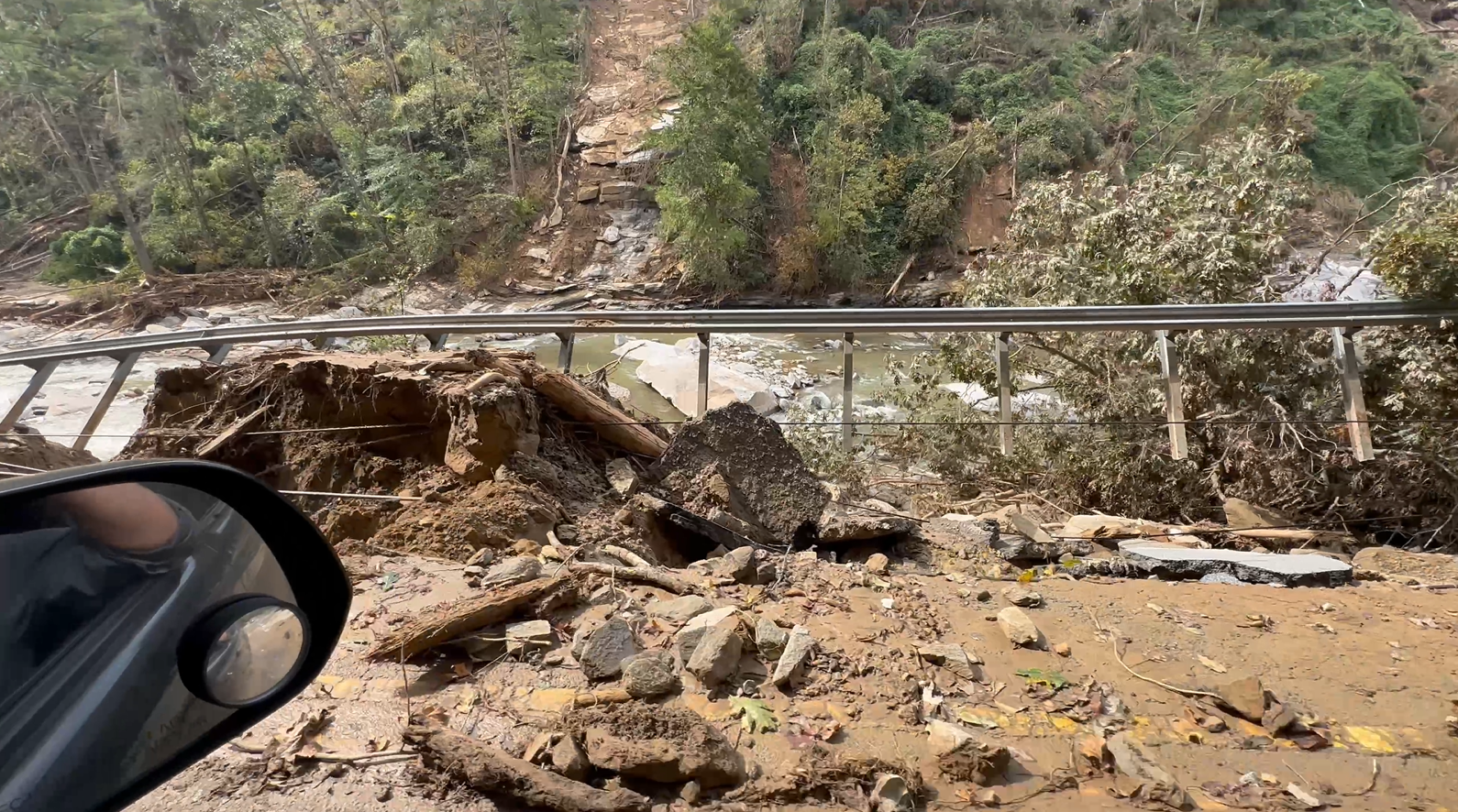
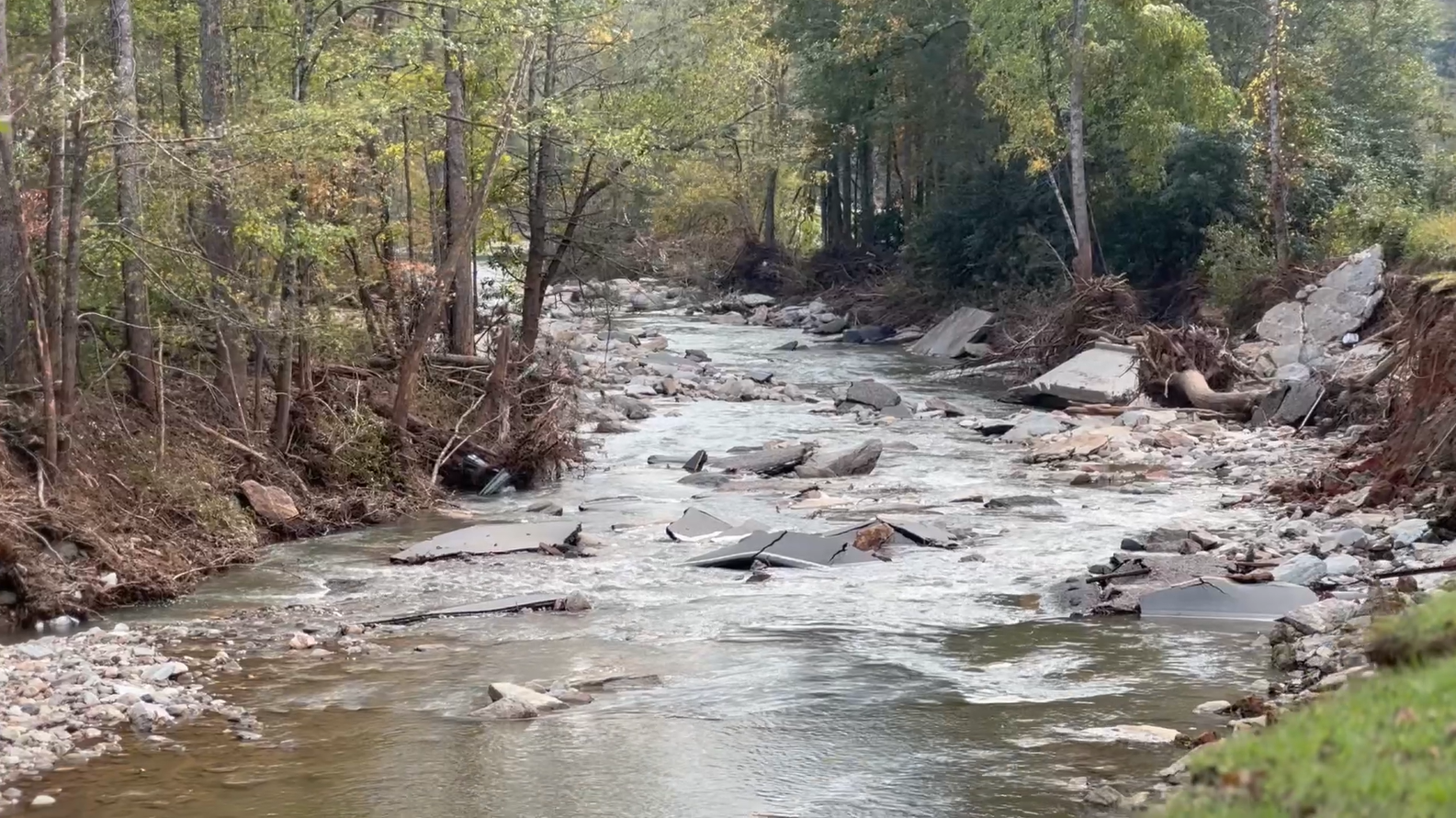
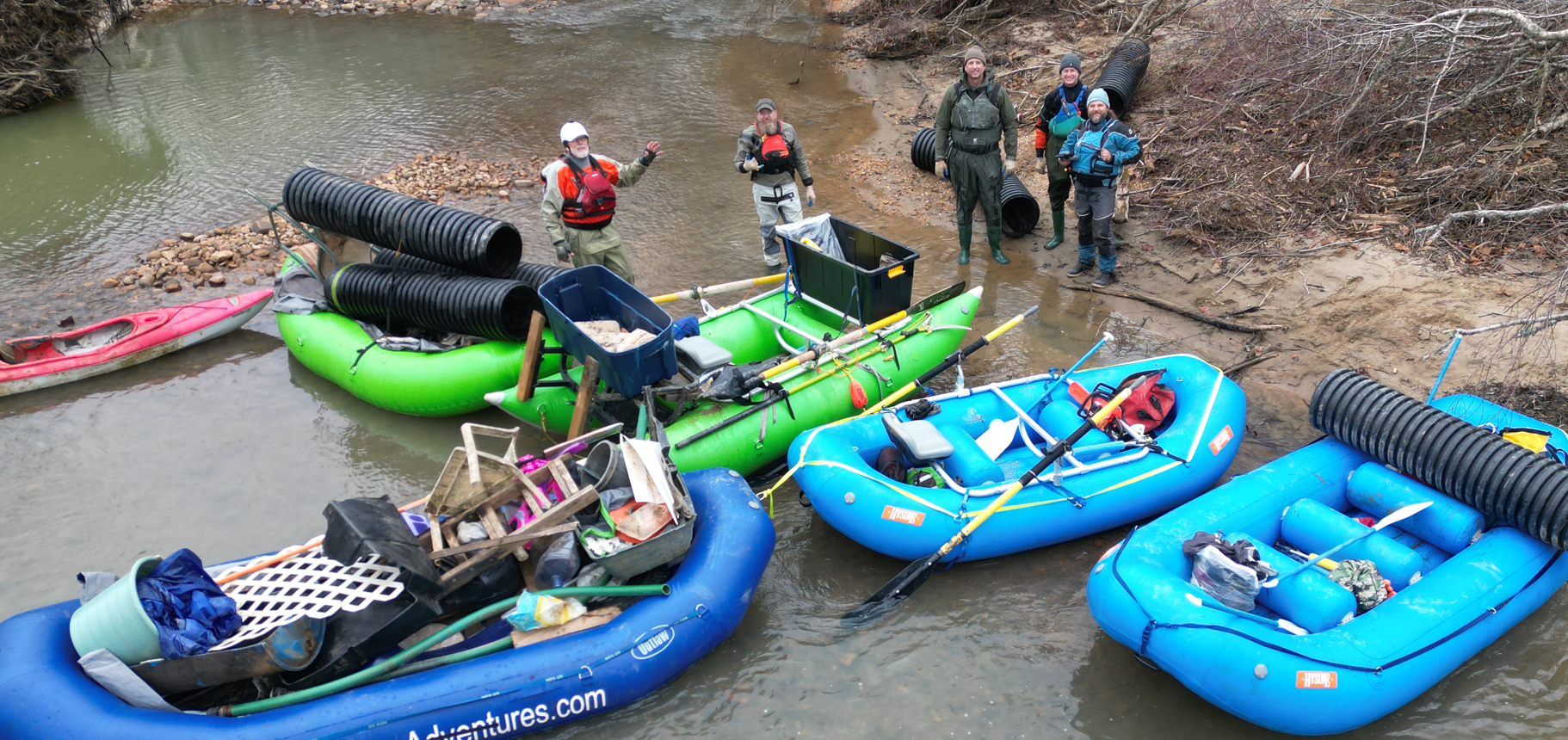
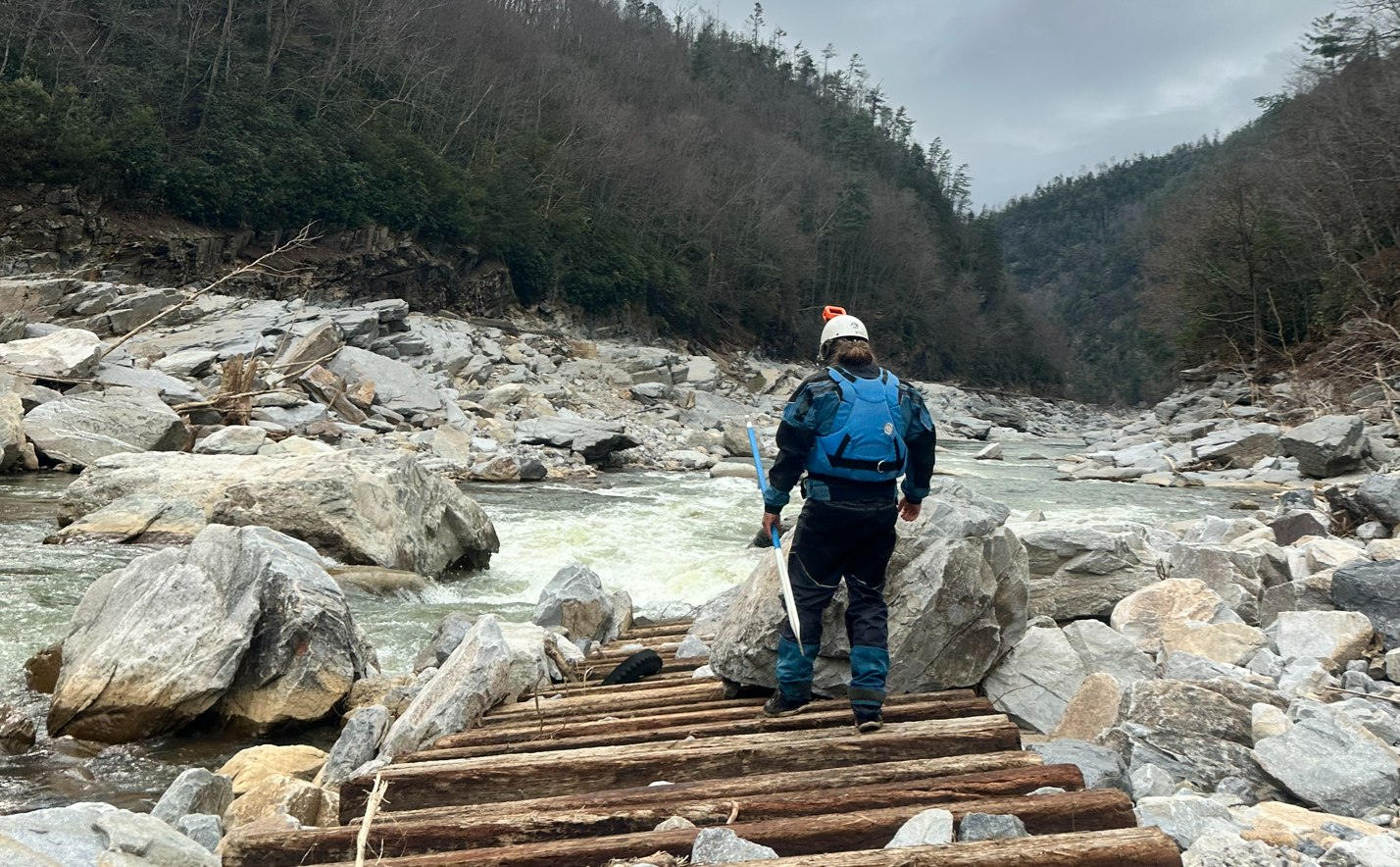
A year after Helene, Greg shifted gears once again. Thanks to the 10 million dollars of state funding through the NC Department of Environmental Quality that was awarded to our friends at MountainTrue, their organization was able to deploy paid cleanup crews across Western North Carolina to remove debris from rivers and streams throughout Western North Carolina. From October 2025 – March 2026, Greg worked part-time on MountainTrue's 9-person Old Fort Cleanup Crew, which is dedicated to cleaning up the main stem of the Catawba, the Linville River, the North Fork, as well as smaller tributaries along the way.
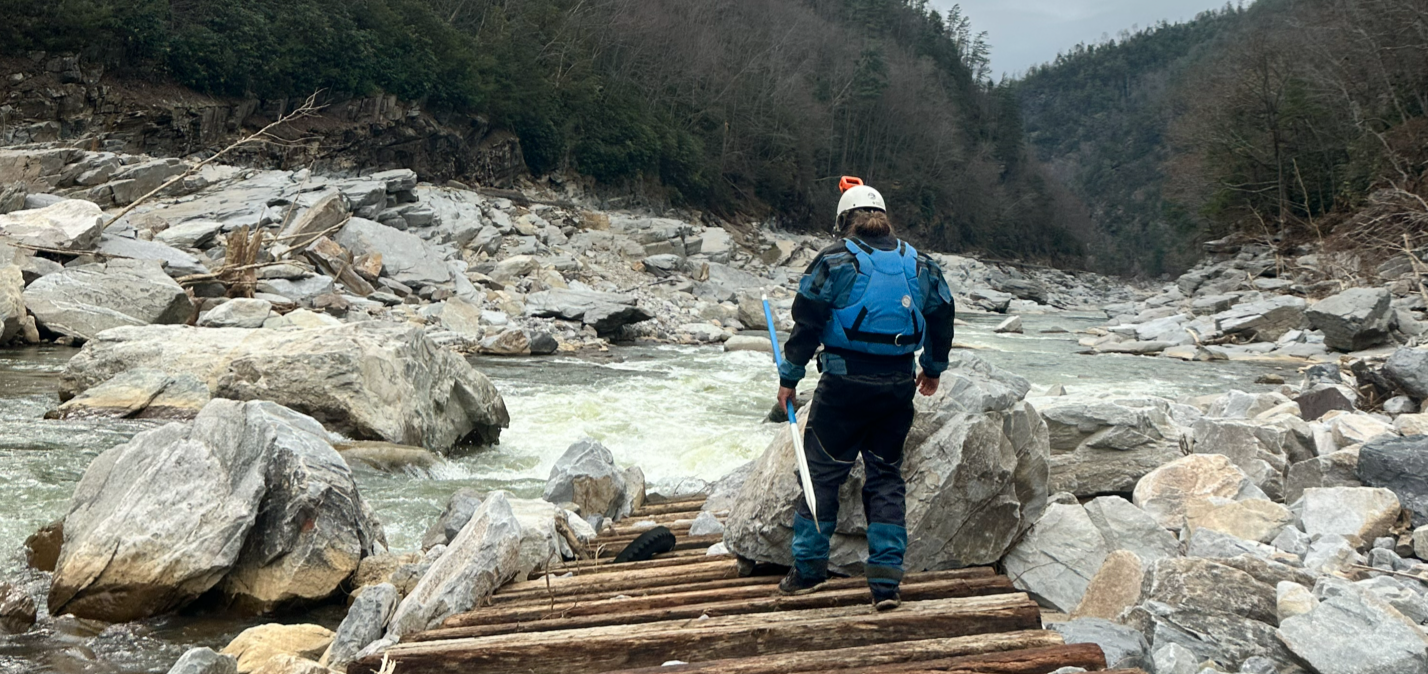
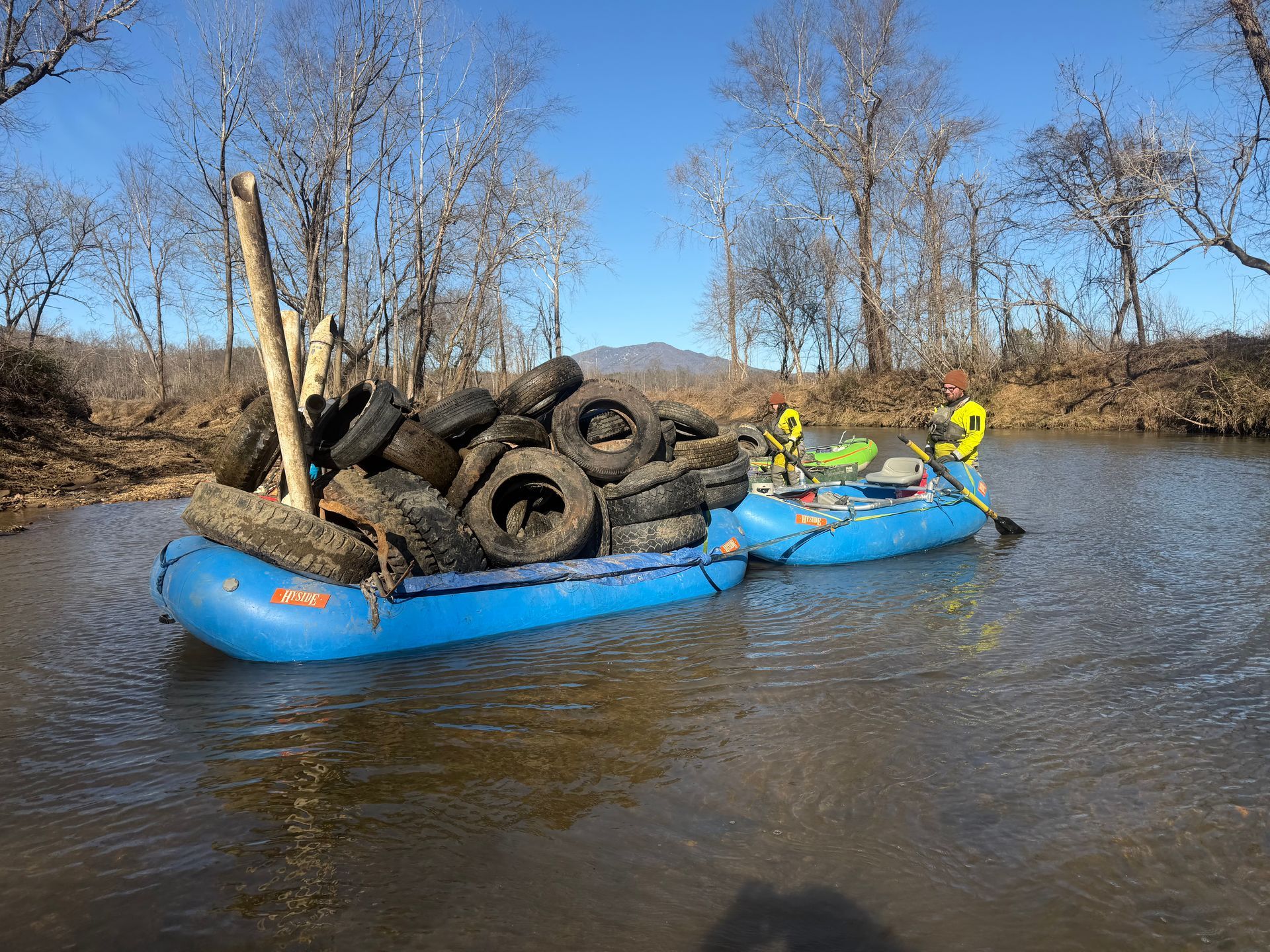
Two or three days a week, Greg joined the team in cleaning up as much trash and debris left by the storm as could be removed with hand tools and hard work. After five months of work, the team has steadily and thoroughly worked its way from where development starts near Catawba Falls (just above Old Fort) through Mill Creek and all the way down the main stem of the Catawba to the mouth of Lake James. The work is slow, as much of the debris is further buried by sediment with each rainstorm. The team relies on tools like shovels, crowbars, rocker bars, sawzalls, webbing, pulleys, and come-alongs to free items from the ground and surrounding vegetation, making an effort all the while to disturb habitats as little as possible with their presence.
According to Greg, the team uses different boats for different floats. On days that carry them through shallow segments, canoes are the way to go. In deeper parts, the Old Fort Crew inflates their rafts and inflatable kayaks. In cold weather or in extremely shallow sections, they stick to the land and pick up debris from there. Some days, the crew makes their way along several tenths of a mile; other days, the buildup of debris is so great that they hardly move beyond the place they started.
One cleanup uncovered a Catawba Falls sign miles downstream of the falls, while other efforts have turned up large items like oil tanks and furniture. Crews often find personal belongings that were swept away by the floodwaters and bring them to Mandy Wallace, MountainTrue’s Artifact Recovery Technician. Mandy takes the items--things like fine china, jewelry boxes, photo albums, and more—from cleanup crews throughout the region and works to track down their owners. You can follow along with Mandy's work to reunite people with treasured belongings by visiting the Facebook page "MountainTrue - Found After the Flood."
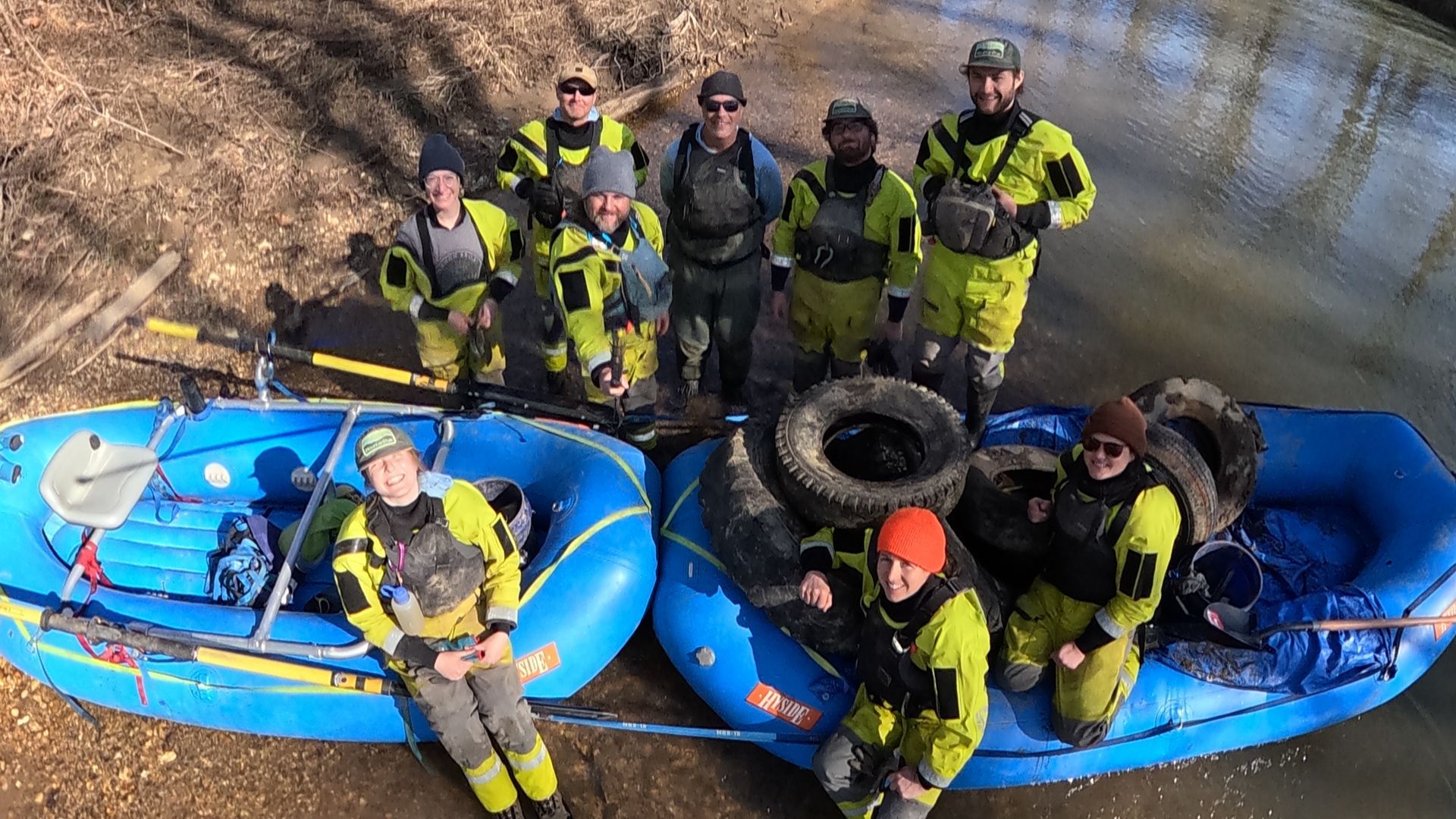
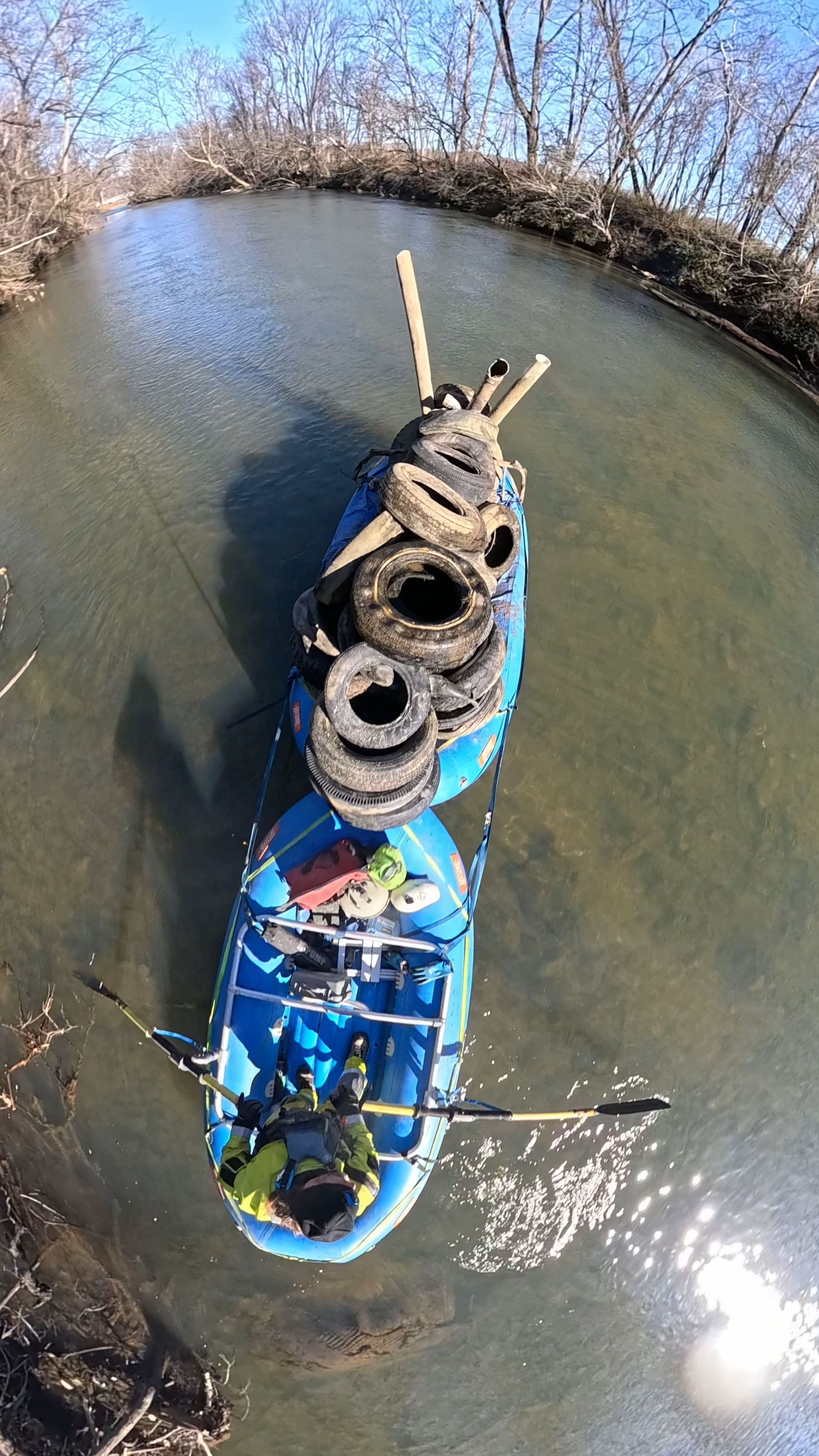
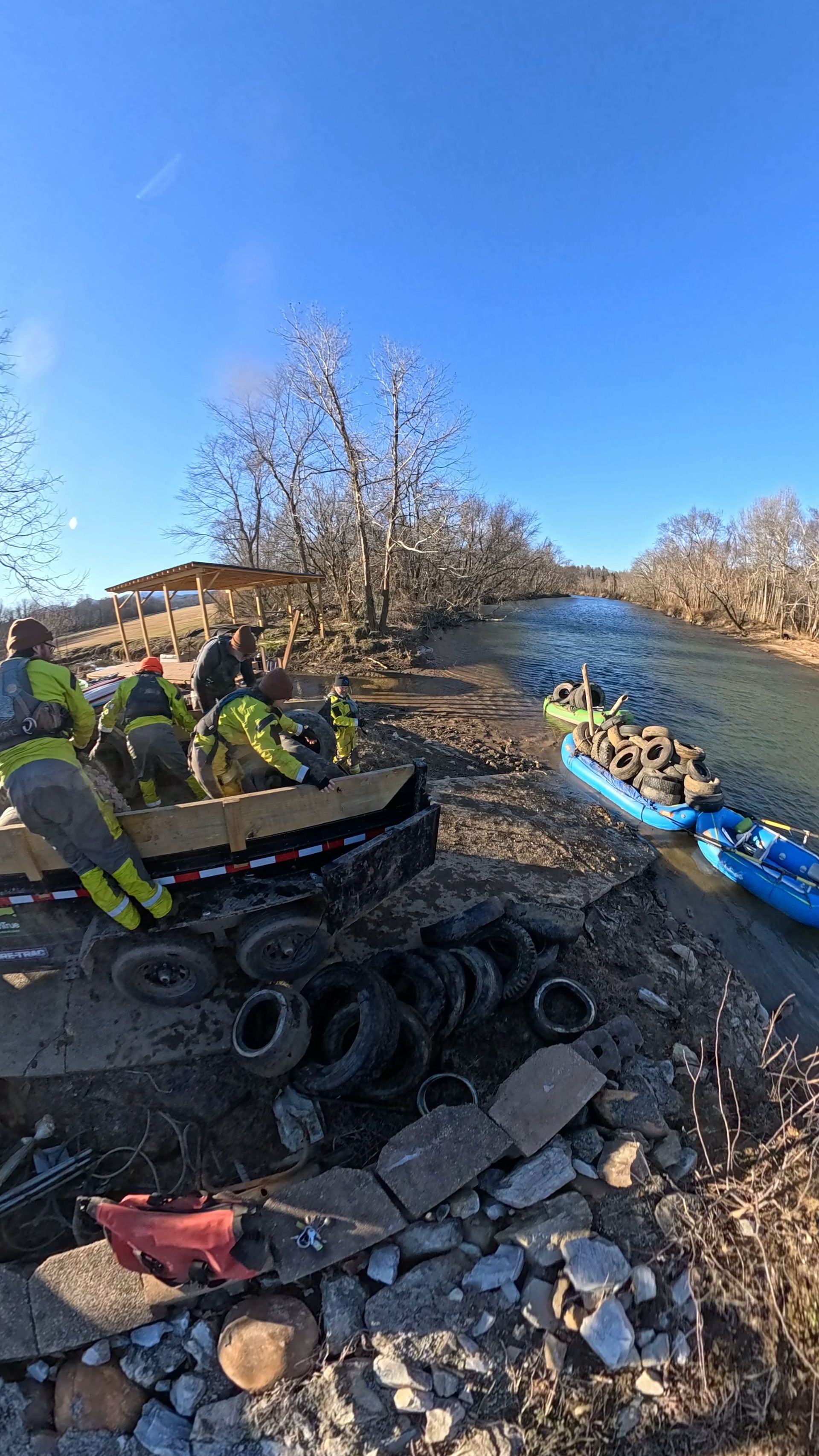
This month, March of 2026, Catawba Riverkeeper entered into a contract with MountainTrue to spearhead a new Helene debris cleanup crew dedicated to the Catawba River Basin. Greg is shifting from his role on the Old Fort Cleanup Crew to lead the Catawba Cleanup Crew, along with 3-4 newly hired team members. During this calendar year, the Catawba Cleanup Crew is committed to completing 40 debris cleanups. They will begin their work on the Henry Fork.
The dedication of all the Hurricane Helene Debris Cleanup Crews is inspiring to see. Their approach is steady and thorough as they make their way, bit by bit, through the watershed. With miles and miles of tributaries remaining, the teams take comfort in the fact that each day makes a tangible impact in improving the health and safety of our rivers for all who depend on them--plants, animals, and humans alike.
If you would like to follow along with the work of the Old Fort Cleanup Crew and the Catawba Cleanup Crew, be sure to follow @MountainTrue, @CatawbaRiverkeeper, and @GNance_OnTheRiver on Instagram.