Highlights from 2023
Mo Drinkard • December 12, 2023
What a year it has been at Catawba Riverkeeper!
Catawba Riverkeeper celebrated 25 years in 2023. Watch the video below for a inspiring reflection on Catawba Riverkeeper's past and look towards our future.
Protecting our river
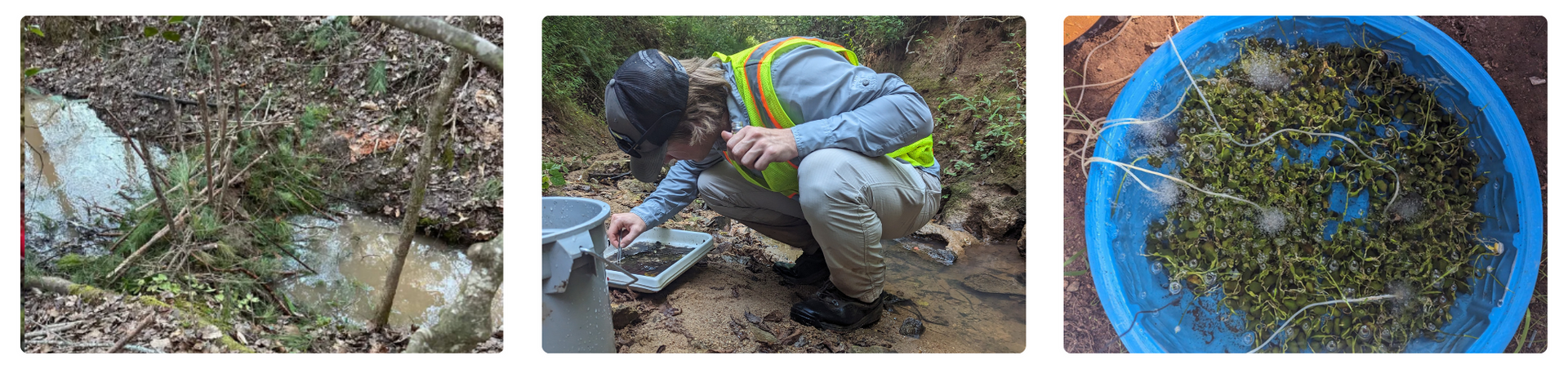
- Sampled 55 different swimming areas this summer each week to test for bacteria. Swim Guide results were viewed 117,000 times!
- Piloted a Spider Lily restoration program in Great Falls, SC.
- Constructed beaver dam analogs on a tributary of Canoe Creek near Marion as a pilot restoration project with promising early results.
- Investigated 75 pollution reports.
- Paddled more than 1100 miles to investigate pollution reports and complete surveys of sections of the basin.
- Filed to join the clean water citizen suit against New-Indy papermill.
- Successfully advocated for a bipartisan stormwater mitigation bill to be introduce in the NC General Assembly.
- Published the State of the River Report and the Southern Catawba and Wateree River Basins Protection and Restoration Plans.
- Hired a South Fork Watershed Manager who is focused on improving the health of the largest tributary of the Catawba River.
- Established a new office and lab in the Northern Basin in Morganton, NC.
Education Programing
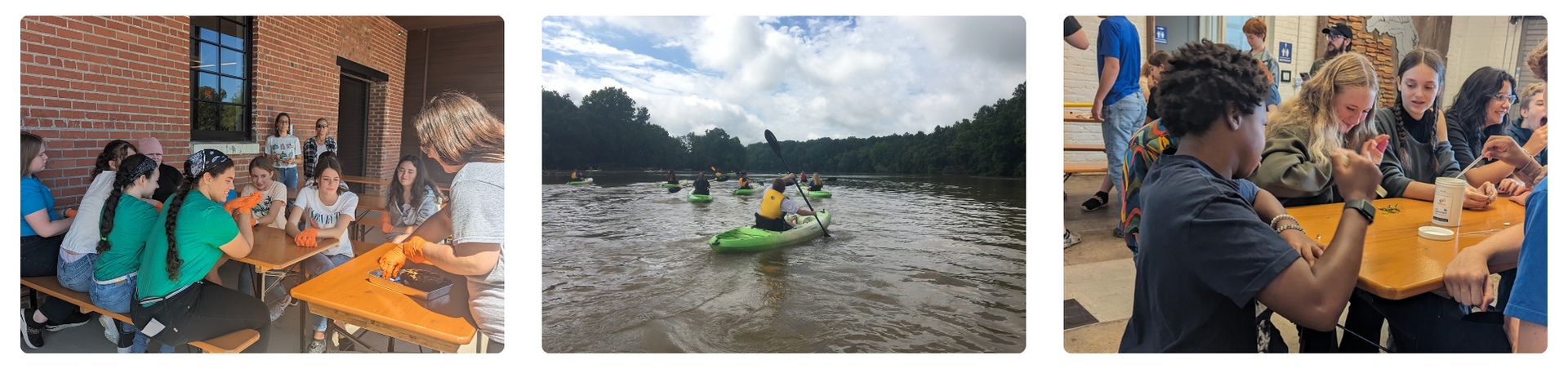
- Taught 1,817 K-12 students about their watershed through field trips and presentations.
- Provided environmental education and kayaking programs to 237 students through the summer CREEK program (sponsored by Crescent Communities).
- Hosted more than 100 adults in educational workshops through the
Riverkeeper Learning Series (sponsored by
Xylem Watermark).
Engagement Programing
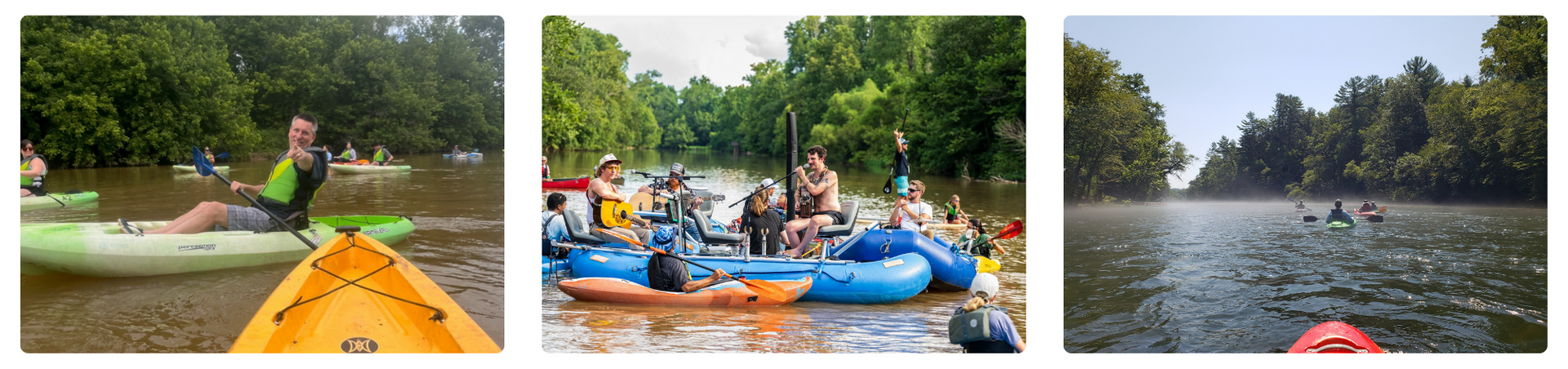
- Hosted 25 on-the-water programs and countless kayak rental opportunities providing 720 people the opportunity to experience the river firsthand
- Provided meaningful volunteer experiences to 2,213 volunteers who served a total of 5,922 hours. Their time is valued at $177,358!
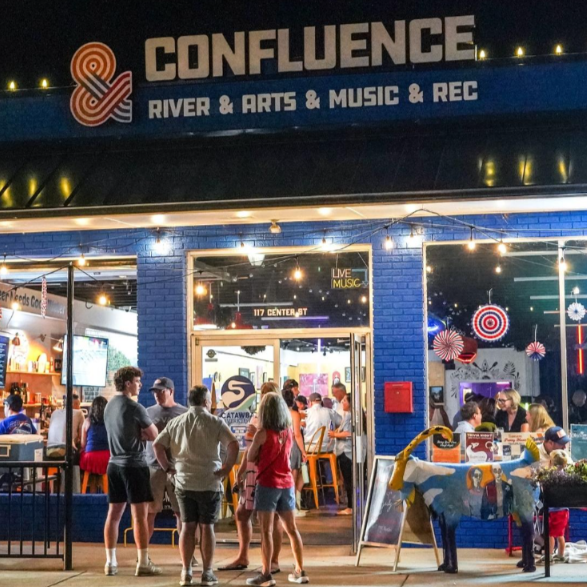
- Confluence
hosted the first annual
Fork Fest music festival, featuring a one-of-a-kind floating concert!
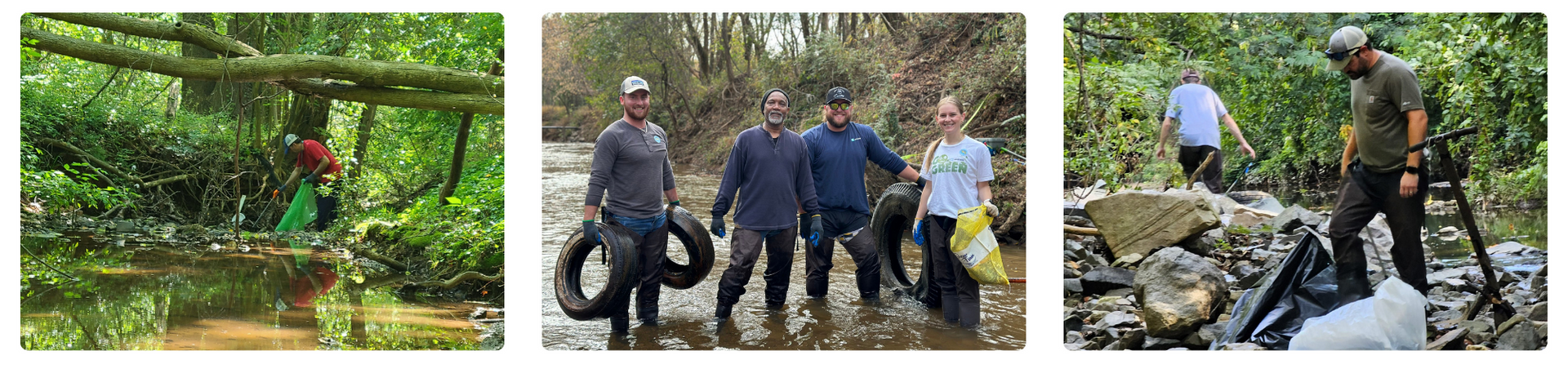
Taking out the trash!
- Removed 1,001 tires and 100,570 pounds of trash from our basin's water and shores!
- 1,670 volunteers participated in cleanups (THANK YOU!!).
- Organized 94 cleanup events, including Riversweep which took place at 51 locations across the basin.
Organizational Growth
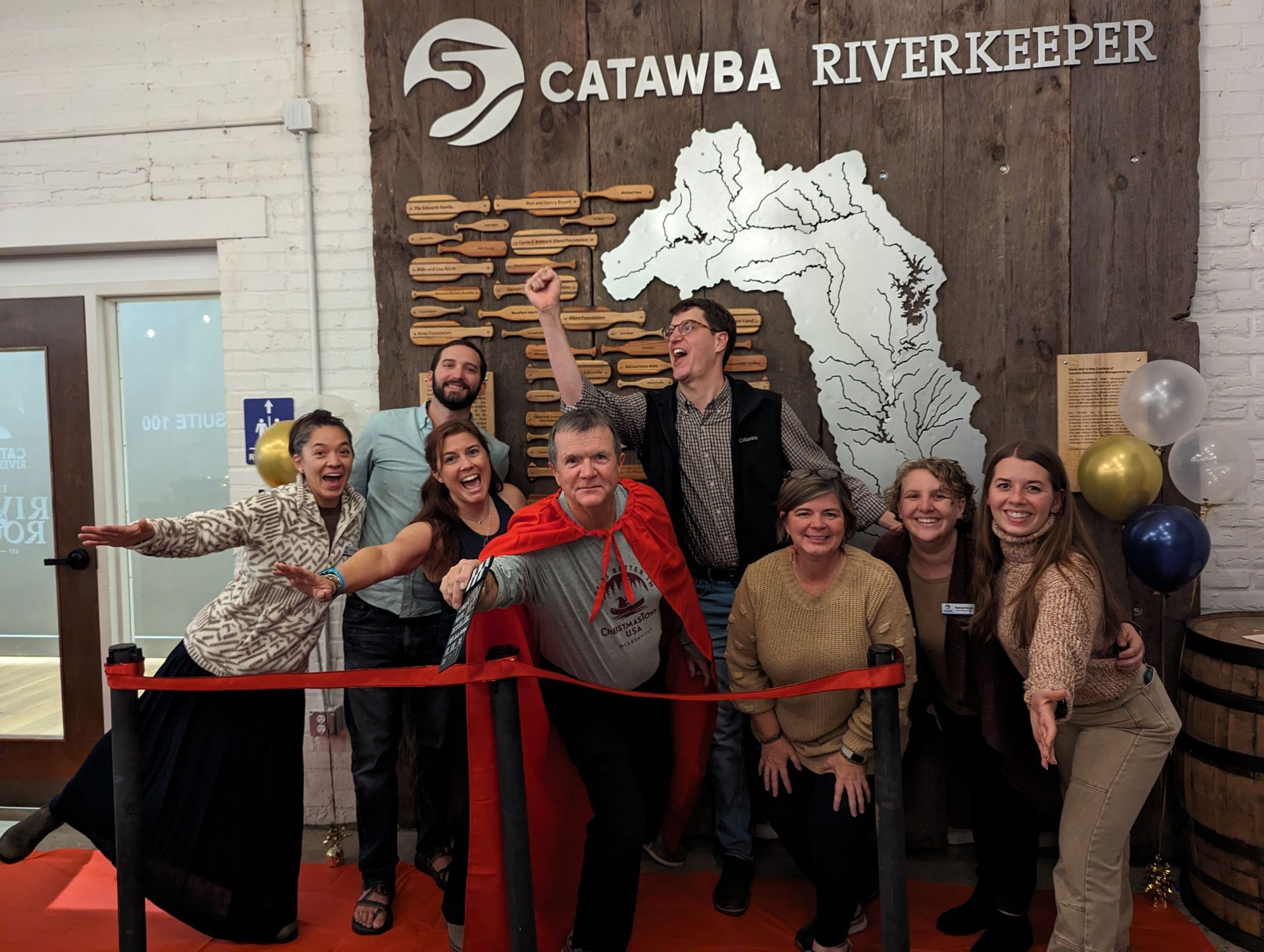
- Grew to 8,414 members and volunteers (38% increase from 2022).
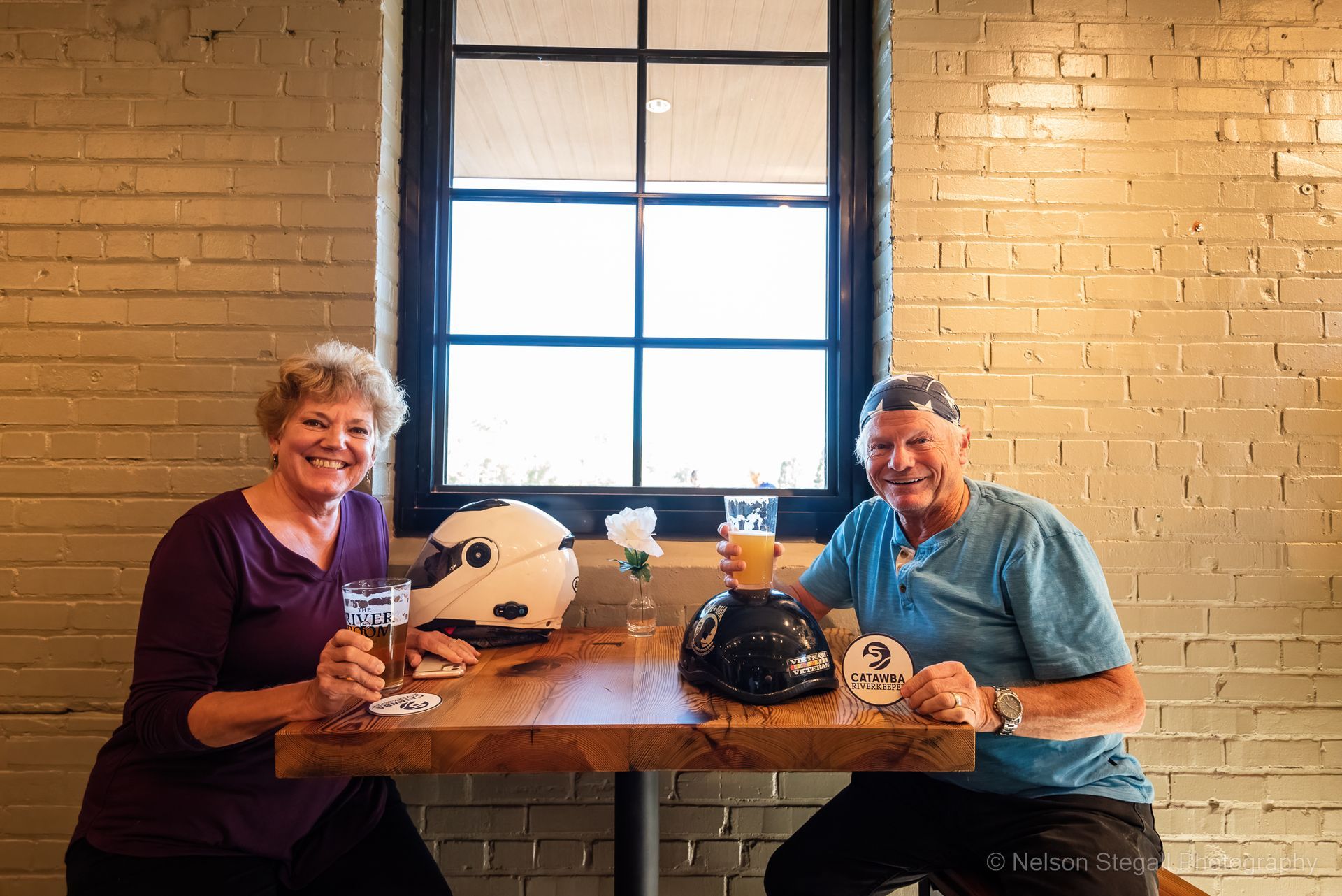
- Had 16,873 unique transactions at our retail locations (The Boathouse, The River Room, and Confluence) and online storefront.
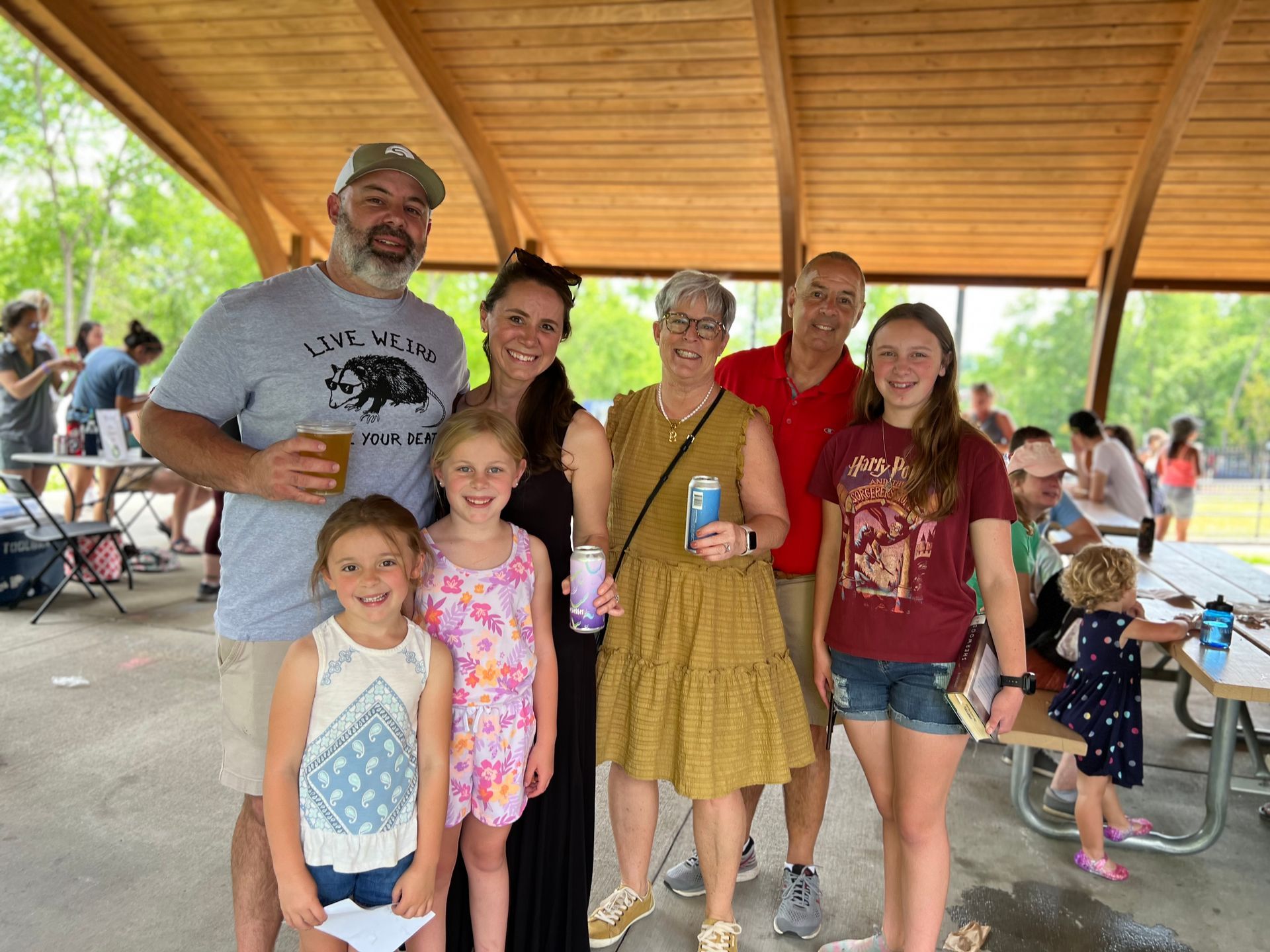
- More than 2,000 people attended one of our community events like RiverFest, Jam at the Dam, Fork Fest, and the Christmas Market.
- Continued to grow our social media follower base and email newsletter list.
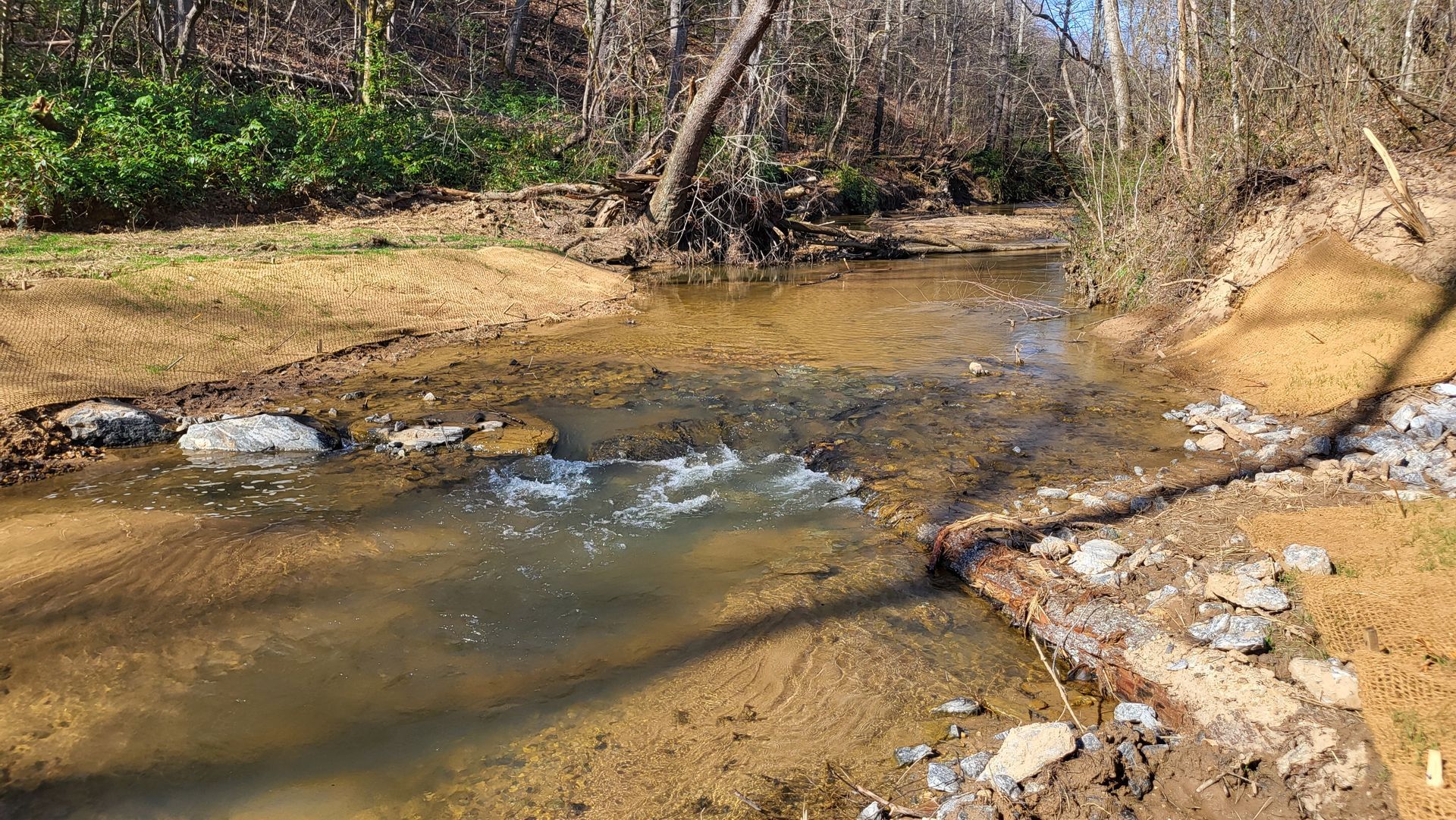
Foothills Conservancy of NC and Catawba Riverkeeper Complete First Phase of Landmark Canoe Creek Restoration at Oak Hill Community Park and Forest
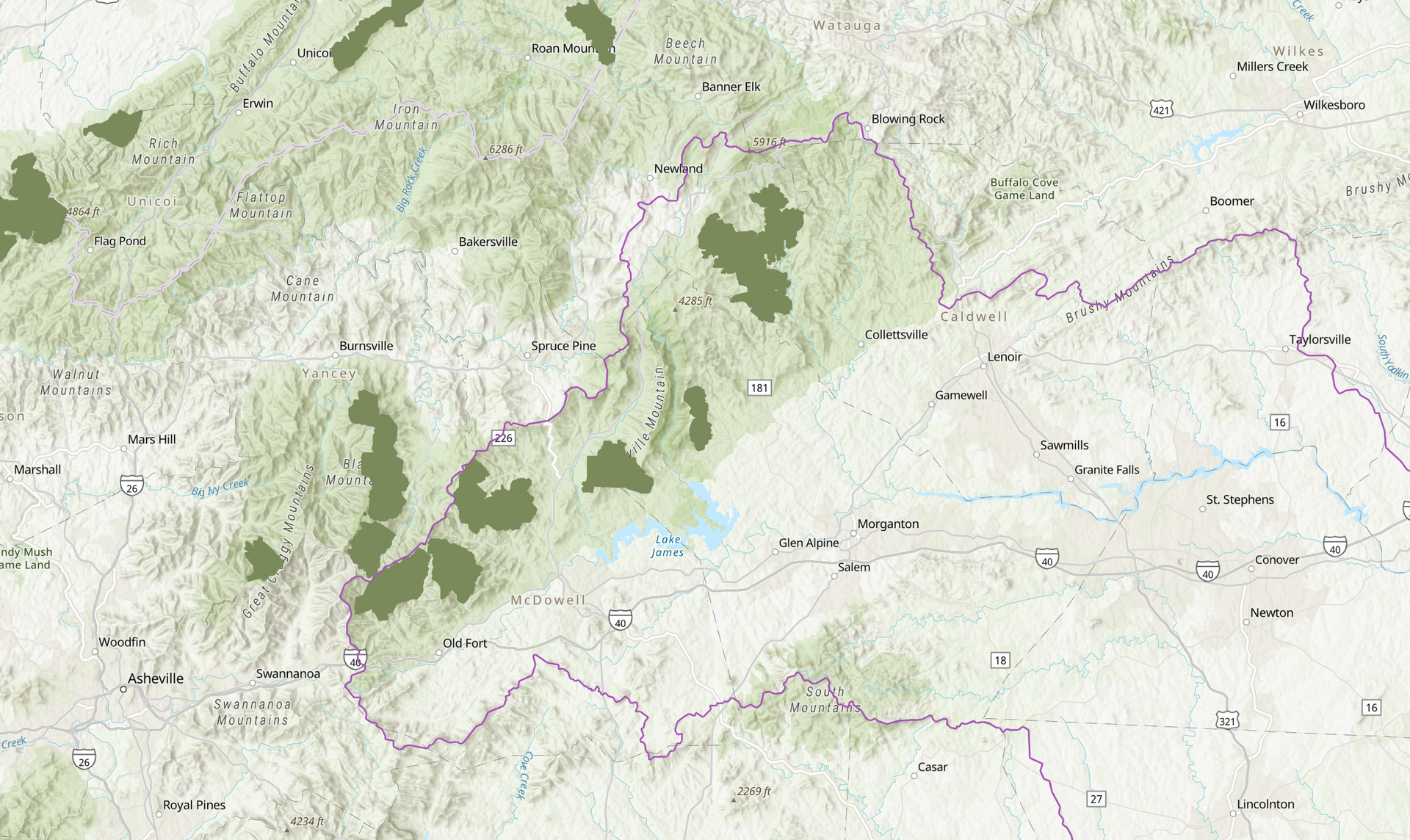
Now Is the Time to Speak Up for Our Forests & Rivers
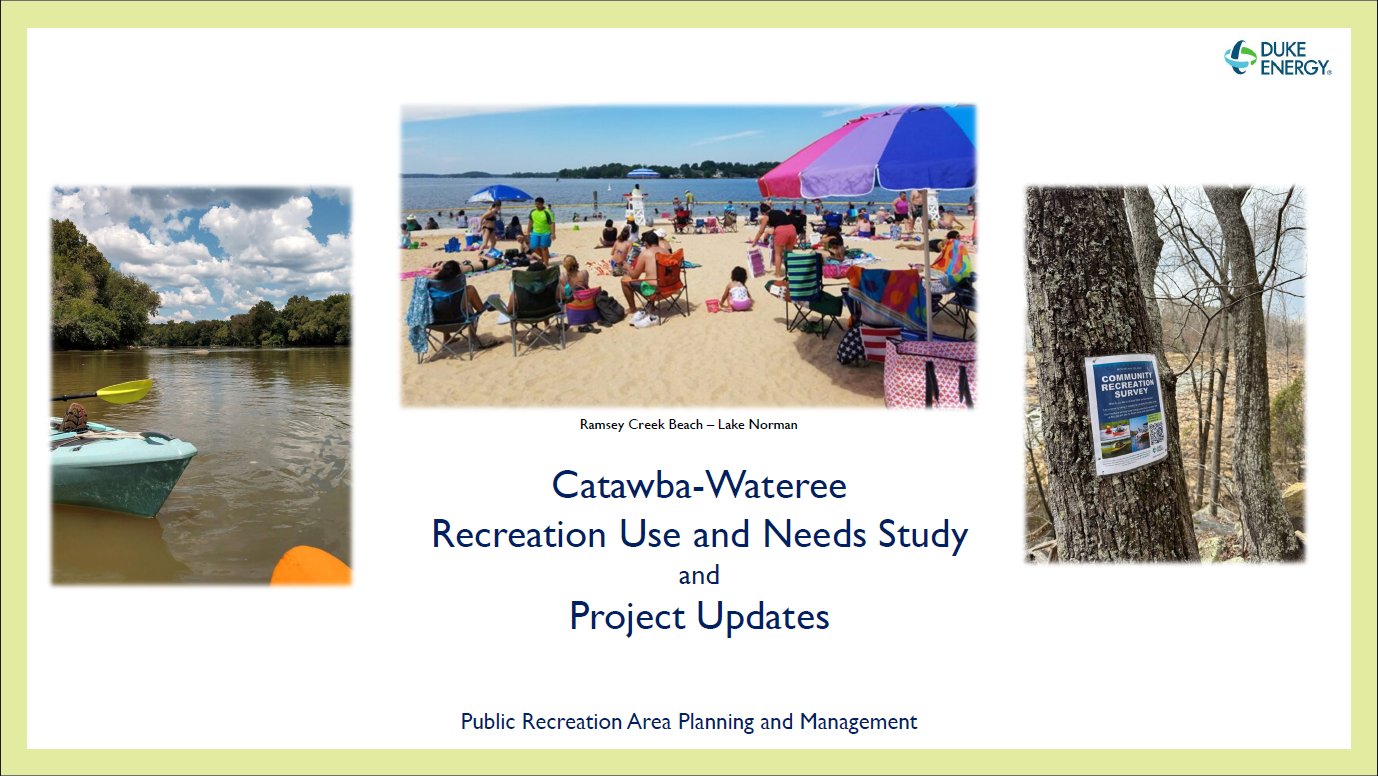
Earlier this month, the Catawba-Wateree Relicensing Coalition hosted their Summer Meeting at Confluence South Fork in Cramerton, NC. During the meeting, attendees received updates on projects occurring in the Catawba-Wateree River Basin, including: Updates from Duke Energy on recreation, invasive species, shoreline management, and the current drought. Highlights from the latest Integrated Water Resources Plan including recommendations for ongoing and future management of our river system. Regional project updates throughout the river basin. You can view the slide decks shared at the meeting by clicking on the links below: Catawba Riverkeeper Update CWWMG Integrated Water Resources Plan Catawba-Wateree Relicensing Coalition Shoreline Management Plan Catawba-Wateree Relicensing Coalition Brief History Catawba-Wateree Recreation Use and Needs Study and Project Updates