
Let's Talk Stormwater! Introducing NC House Bill 511
Catawba Riverkeeper pushes for a law in North Carolina that would allow local communities the option to require developers to include stormwater management features on redevelopment projects.
Let’s talk about stormwater.
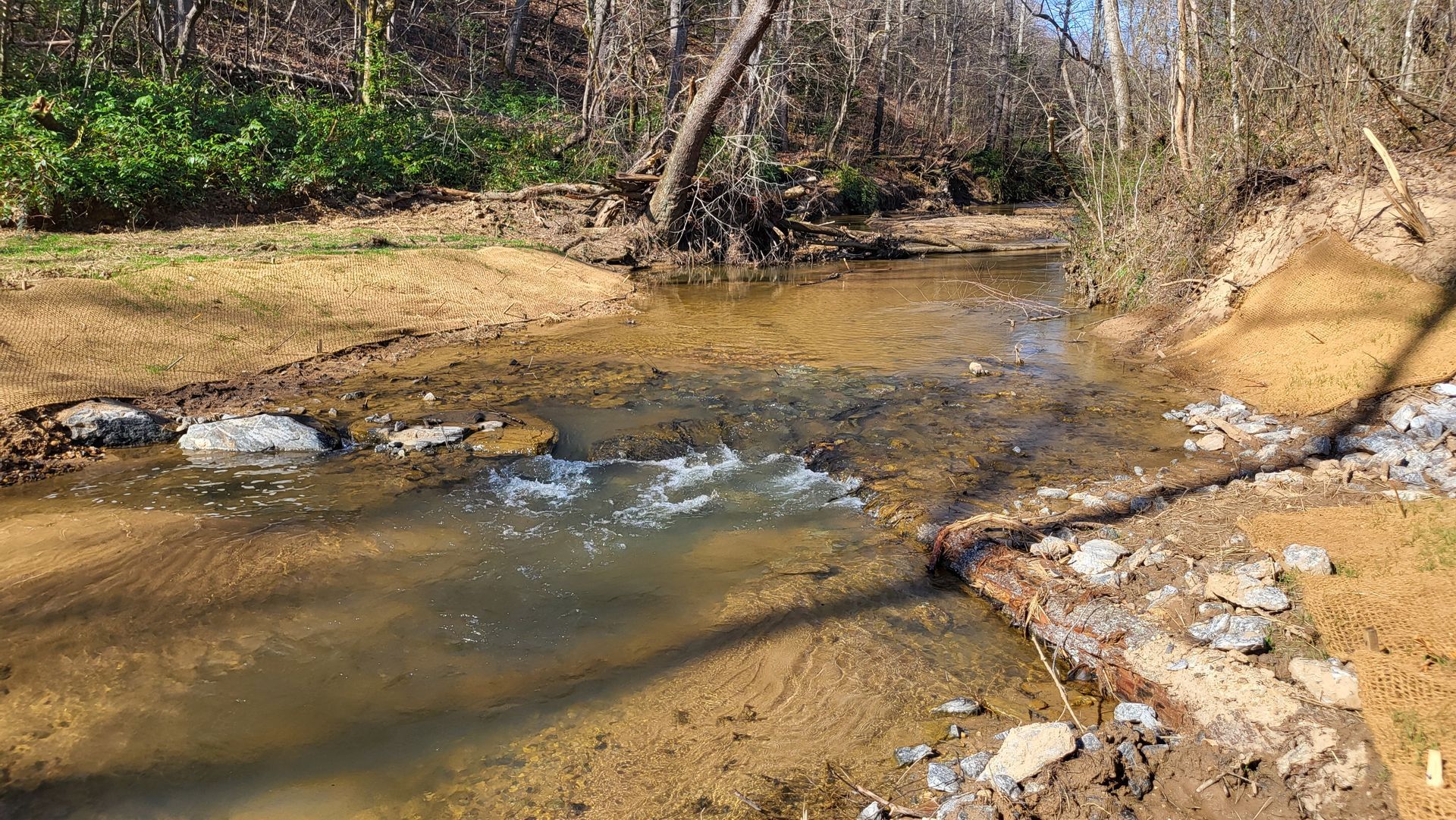
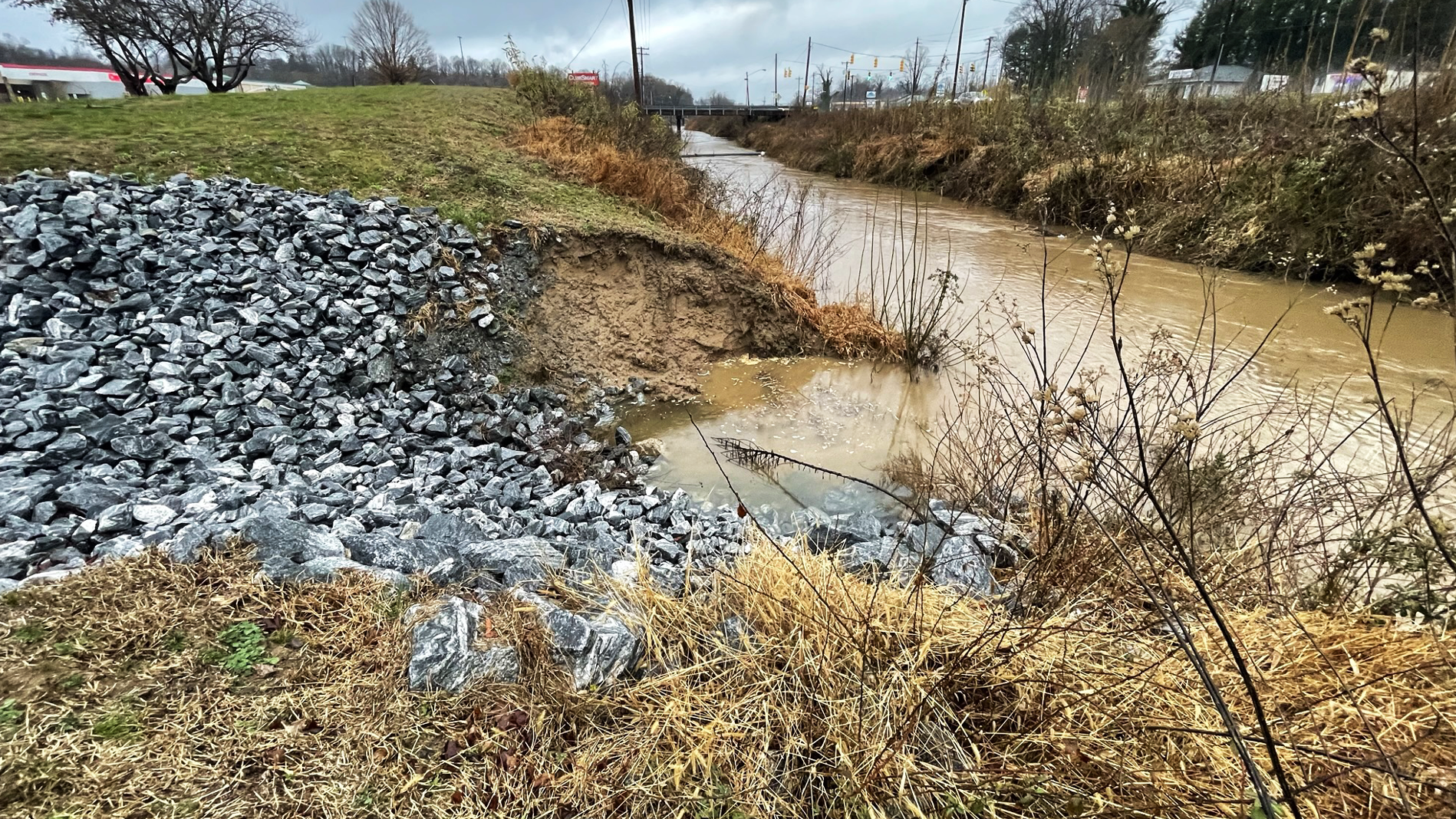
We know that stormwater is a problem when a high volume hit our creeks at a high velocity. Both occur when rain hits impervious surfaces and is not sent to some sort of retention pond or rain garden. Untreated stormwater, as it’s called, hits the impervious surface then flows directly into a stream or into a storm drain. Our basin and the state of North Carolina have some very old storm drain systems that we simply do not know where all these pipes go. In cases in Hickory and Morganton, we have abruptly found some when sinkholes form where stormwater pipes are overwhelmed by, again, a high volume and velocity of stormwater. Once this water leaves the pipes, wherever that may be, it sends a wall of water down the creek. This high volume and velocity of water leads to erosion of streambanks, leading to a loss of land, depositing it into downstream communities. This water also degrades water quality and chokes out aquatic life. Think of it as smog for fish. If you live in Gaston County, check out Duharts Creek. If you’re in Mecklenburg, check out where Sugar Creek flows into South Carolina.
What can we do about it? Right now? Not much. North Carolina law prohibits local communities from having ordinances that could require stormwater features to be added to redevelopment projects. No community in NC had stormwater management requirements prior to the late 1970s. Even then, our first ordinances focused on getting water off paved surfaces quickly, ignoring the impact of this runoff on downstream communities. In short, we have a lot of impervious surfaces that is contributing to this stormwater runoff problem.
The week of March 27 was a remarkable time in the fight to improve water quality in NC. The week started with the Medicaid expansion ceremony, followed by a gubernatorial veto override, a massive vote on online sports gambling, and, the House’s budget was released. If that wasn’t enough, visiting the General Assembly was everyone from nursing students to realtors to community college advocates and even your NC Riverkeepers!
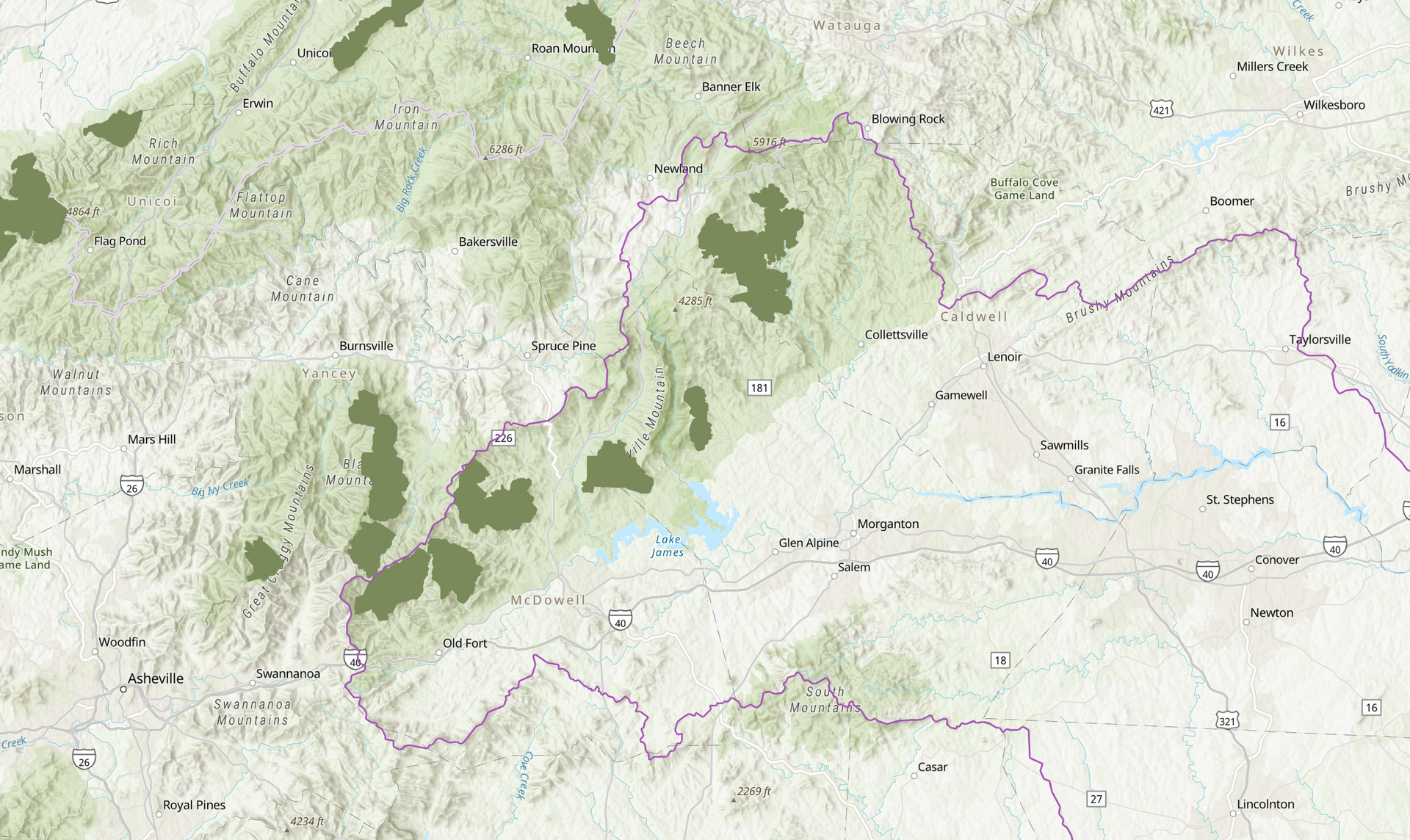
In the midst of all this commotion, a critical piece of legislation was filed. House Bill 511 was introduced by Representatives Donnie Loftis (R-Gaston), Terry Brown (D-Mecklenburg), and Hugh Blackwell (R-Burke). 14 additional legislators have signed on in support with roughly half coming from the Catawba Basin Delegation. These 17 legislators represent communities from the NC-TN border to the urban areas of the Piedmont to the coastal planes to the tide waters. An interesting note is that the first, four legislators who signed on the bill (the three previously listed and Representative Dudley Greene (R - Avery, McDowell, Mitchell, Yancey) represent the two headwaters' districts and the last two districts of our river before it crosses the state line.
So what does HB 511 actually do? It’s all about those existing impervious surfaces. Think of an old mill or an old strip mall or just a big parking lot not doing anything, other than contributing a high volume and velocity of stormwater to your local creek. If a property like this was going to be redeveloped or turned into something new, this bill would allow a local community the option to require the developer to include stormwater management features. This would apply to industrial, commercial, multifamily, or mixed-use redevelopment.
This bill has a long way to go before we see local communities in NC having this kind or ordinances but we’ve taken a big step. We are grateful for our basin delegation’s leadership and implore them to keep up the great work.