Catawba Riverkeeper files to join the clean water citizen suit against New-Indy mill in Catawba, SC.

Brandon Jones • April 12, 2023

Represented by the Southern Environmental Law Center (SELC), Catawba Riverkeeper has filed a Motion to Intervene in the latest case against the New-Indy papermill.
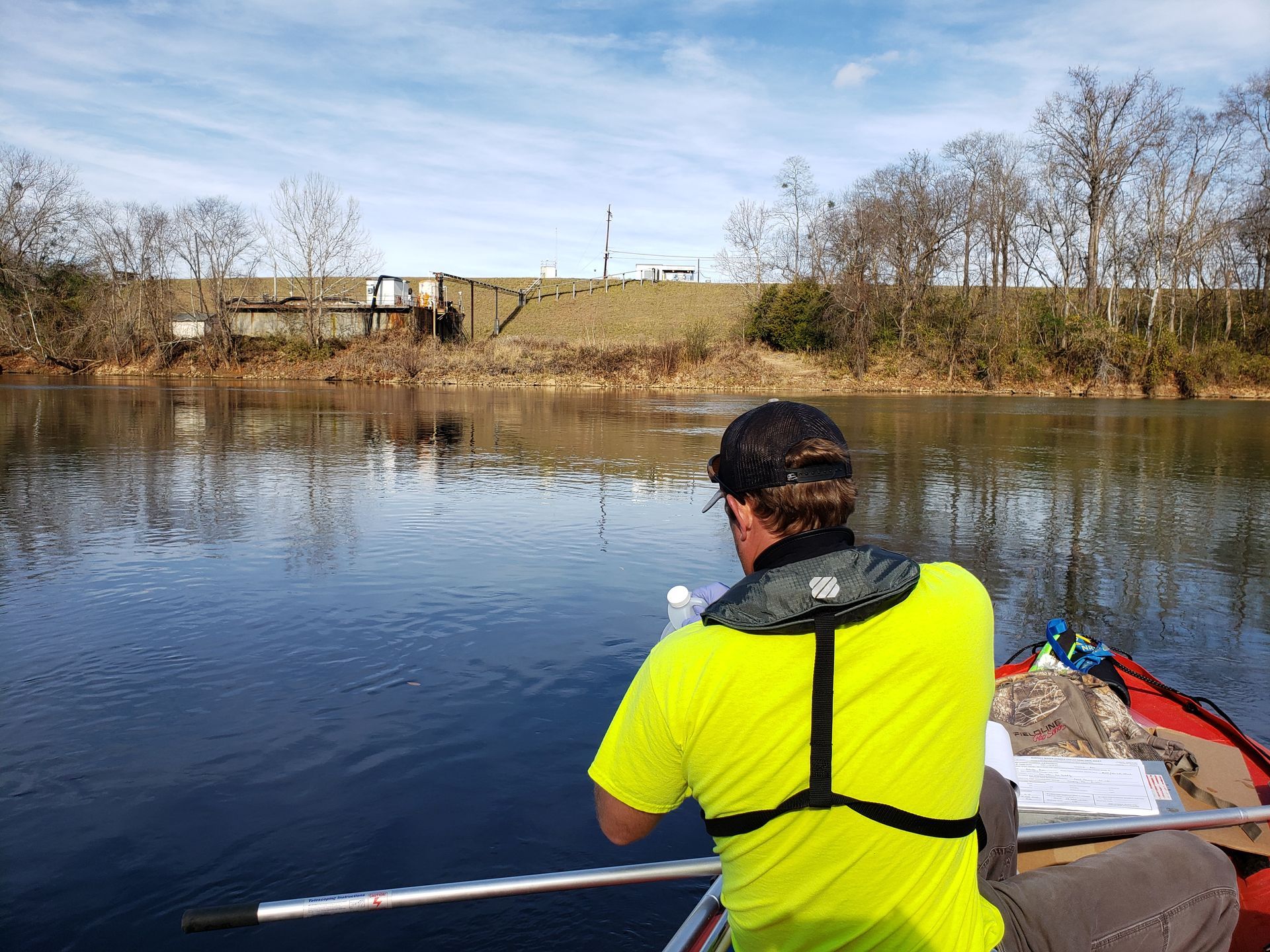
Represented by the Southern Environmental Law Center (SELC), Catawba Riverkeeper has filed a Motion to Intervene in the latest case against the New-Indy papermill. We are seeking the court's approval to join the citizen suit which was filed on February 13th, 2023. The suit alleges that New- Indy’s waste disposal and storage practices violate federal pollution statutes, including the Clean Water Act. As an intervenor, our organization hopes to secure the cleanup of industrial waste stored on the banks of the Catawba River.


What does it mean to intervene in a lawsuit?

Under federal law, interested parties can request to join a lawsuit after it has been filed. Catawba Riverkeeper has filed to intervene to represent our mission, the interests of our members, and the well-being of the Catawba River. The plaintiffs’ legal team has welcomed the motion.


What is the lawsuit about?

There are currently several active cases against New-Indy, which are related to the smell. While we are sympathetic to nuisance and air quality concerns, Catawba Riverkeeper is focused on the mill’s current and future impacts to the Catawba River. The case we are joining (Chin et al v. New-Indy Catawba LLC, 0:23-cv-00602 (D.S.C. 2023)) alleges violations of the Clean Water Act and Resource Conservation and Recovery Act, which governs the handling and disposal of solid waste.


Like the millions of tons of coal ash now being excavated from sites along the Catawba as a result of prior litigation, papermill waste is being stored in large unlined lagoons near the banks of the Catawba River. Our goal is to protect current and future users by requiring the removal of New-Indy’s waste from unlined storage near the river.


More information on the citizen suits can be found at newindyclassaction.com.

February 19, 2026
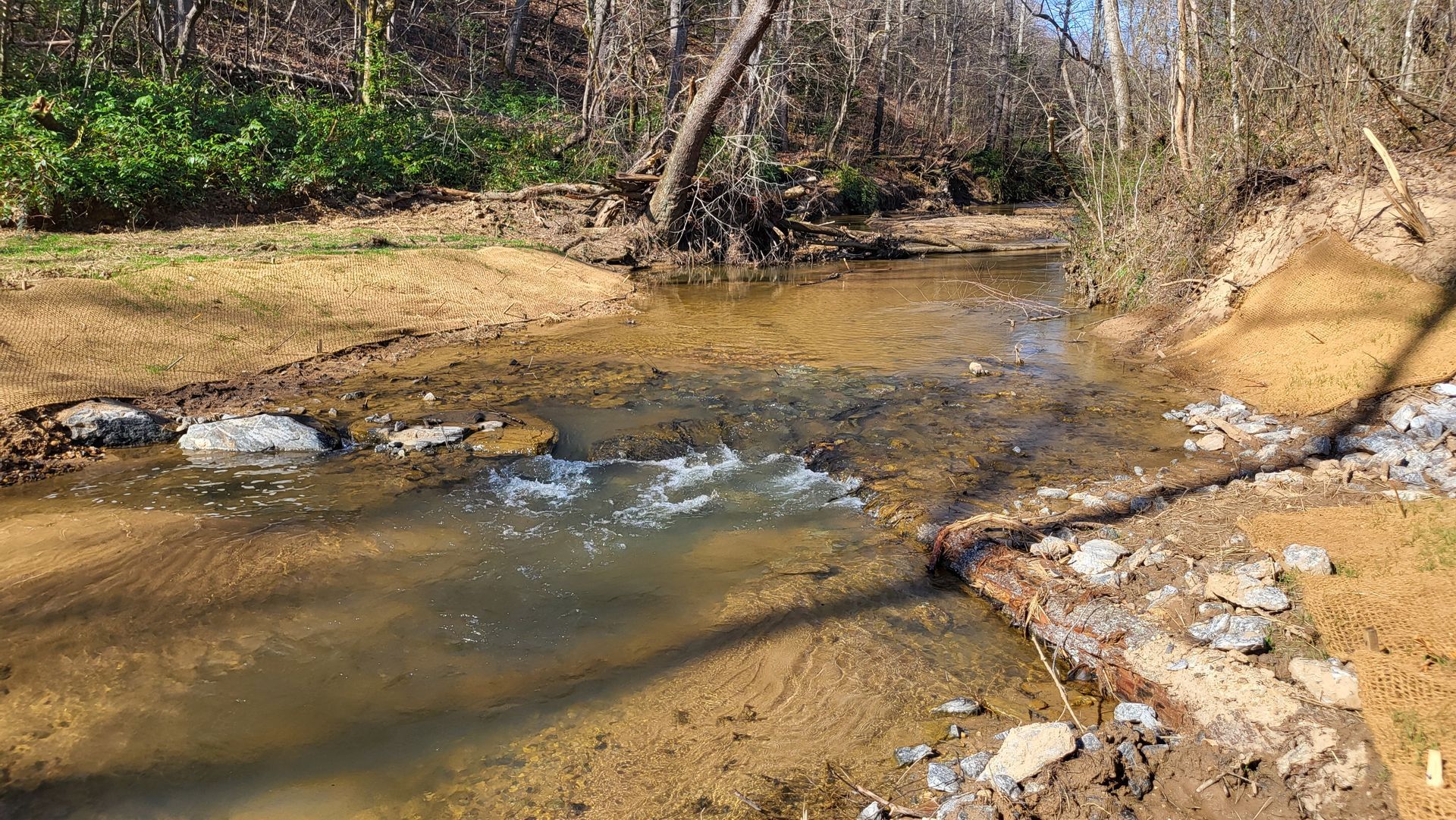
Live staking is a streambank restoration approach that reduces erosion and sediment pollution. This is the practice of planting dormant branch cuttings of native plants along streambanks (also known as riparian zones) to help hold soil in place along the waters' edge. Live stakes are planted along with native plant seeds and shrubs to create riparian buffers, which help prevent sediment from becoming a stream pollutant by securing the soil in place with good root systems. Riparian buffers also filter out other pollutants, such as chemicals, oils, fertilizers, and trash, before they enter our waterways.
February 5, 2026
We're excited to announce that we are relocating Catawba Riverkeeper's headquarters to Confluence South Fork, our community center taproom in downtown Cramerton , NC . Th is move follows four years of operating out of The River Room in McAdenville and reflects an organizational transition focused on aligning our facilities with Catawba Riverkeeper's mission and long-term sustainability . “Our two taprooms have served as creative and welcoming spaces for engaging the community and inviting more people into the work of protecting our local waterways,” said Wendy Cauthen, Retail Manager. “We are grateful for all the opportunities we’ve had to connect with people over a beer brewed with water from the Catawba-Wateree River basin while enjoying a view of McAdenville Lake at The River Room. While we’ll miss that space, we’re excited to be just a few minutes down the road at Confluence, where we can more fully integrate our mission into a single, dynamic community hub.” Confluence, known affectionately as a “taproom with a purpose,” reminds all visitors who step through the door that “good beer needs good water.” Visitors are greeted by the phrase prominently displayed next to a striking mural by local artist Heidi Nisbett, which illustrates both the beauty and geography of the Catawba–Wateree River basin. “With staff now working on-site at Confluence, we can more intentionally connect the art, music, and recreation people already love with mission-driven programming that highlights education and conversation surrounding water conservation,” said Executive Director Dr. Mo Drinkard. “Our mission has always been to preserve, protect, and restore the waters that millions of Carolinians depend on every day. This move allows us to streamline our efforts, deepen public engagement, and continue serving as a trusted, science-based voice for the river.” We are deeply grateful for our time at The River Room and for the support of the Town of McAdenville, Pharr Corporation, and the surrounding community. Now headquartered just minutes away in Cramerton, we look forward to continuing these and other partnerships across the entire 5,610-square-mile Catawba–Wateree River basin. We invite longtime supporters, Confluence regulars, and new visitors alike to stop by and say hello to staff following our February move.
January 13, 2026
Reflecting on a year of growth and impact.