Swim Guide
Is it safe to swim here?
That’s one of the most common questions Riverkeepers get during the summer. To help answer that question, Catawba Riverkeeper operates a summer Swim Guide program to test popular swimming areas on local lakes.
Swim Guide is an international program used by Riverkeepers and other advocates to provide up-to-date recreational water quality data for beaches, lakes, and rivers around the world. Catawba Riverkeeper piloted the program on Lake Wylie in 2019. By 2021, we had expanded the program to 58 sites on the 5 other major lakes – Lake James, Lake Hickory, Lake Norman, Mountain Island Lake, and Lake Wateree – in addition to Lake Wylie.
How does it work?
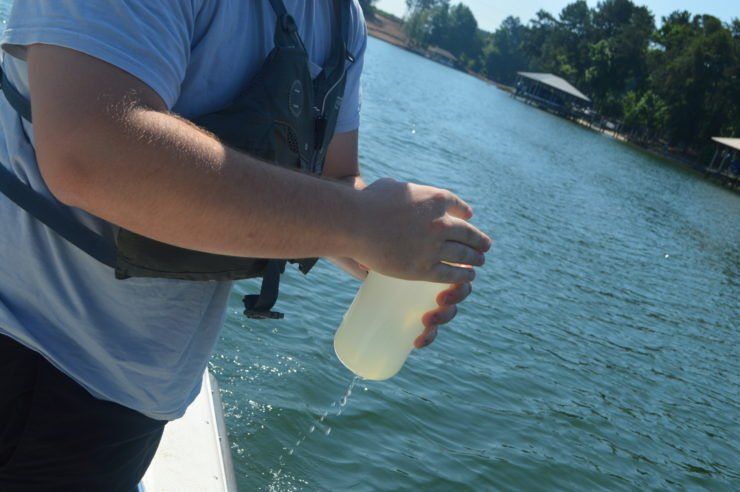
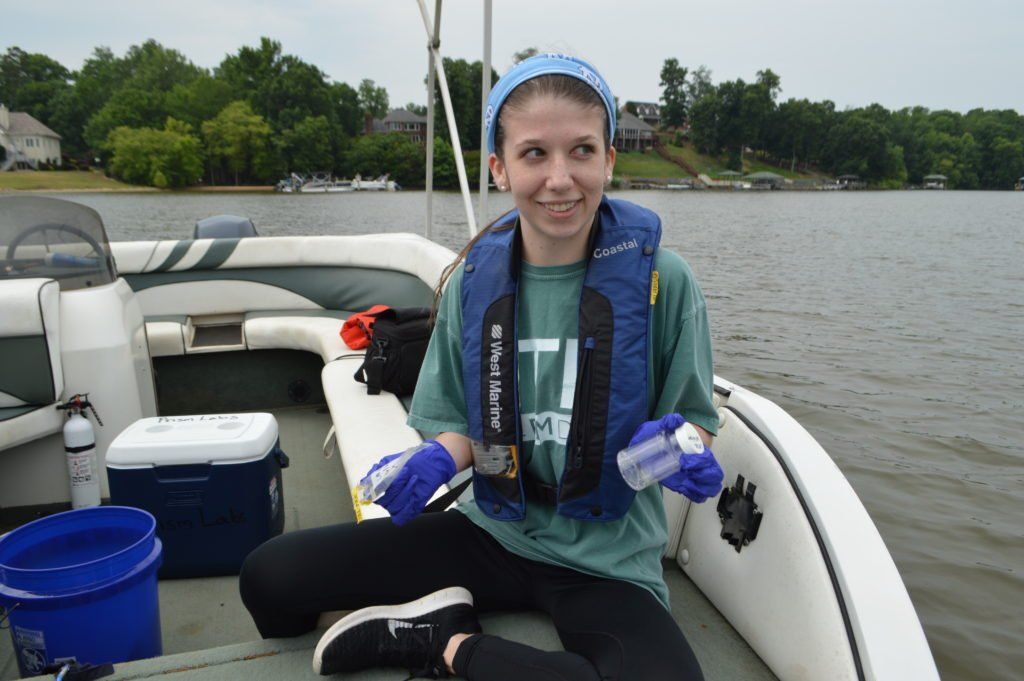
Riverkeeper staff, interns, and volunteers collect samples on Thursday mornings, which are tested for E. coli in the Riverkeeper’s in-house lab. Results are posted on Fridays in a stoplight system (green, yellow, red), so that you can make informed decisions about swimming over the weekend.
Contact lauren.h@catawbariverkeeper.org to learn how you can volunteer!
Why test for E. coli?
Recreational standards usually focus on indicator bacteria, which are used to detect the level of fecal contamination in the water. E.Coli is considered a better indicator of human sewage than other types of bacteria because they are found in intestines of warm blooded animals. E. coli is the type of bacteria that local health authorities look for in freshwater. Primary contact with water containing high levels of fecal bacteria and other pollutants can lead to disease, infection, and rashes.
Results are also be shared on the national Swim Guide map and will follow a stoplight system to help you easily understand results. Locations that come back with high amounts of E. coli will be marked red.
We’re looking for volunteers to drive their boats to designated spots each week. All supplies will be provided and gas will be reimbursed by Catawba Riverkeeper. Learn more and email lauren.h@catawbariverkeeper.org if you’re interested.
Sponsor a site or a lake or river!
Site sponsorships are $500 and cover the cost of materials required to collect samples and run tests weekly for each site. Lake sponsorships are $5,000 and cover the personnel expenses incurred by staff and interns for time and mileage. Select your site or lake by typing in the name of the site or lake after you hit “donate once” on the main giving page. Sponsorship requests are granted on a first come, first served basis. Sites must be chosen from the list of sites on the Swim Guide webpage.
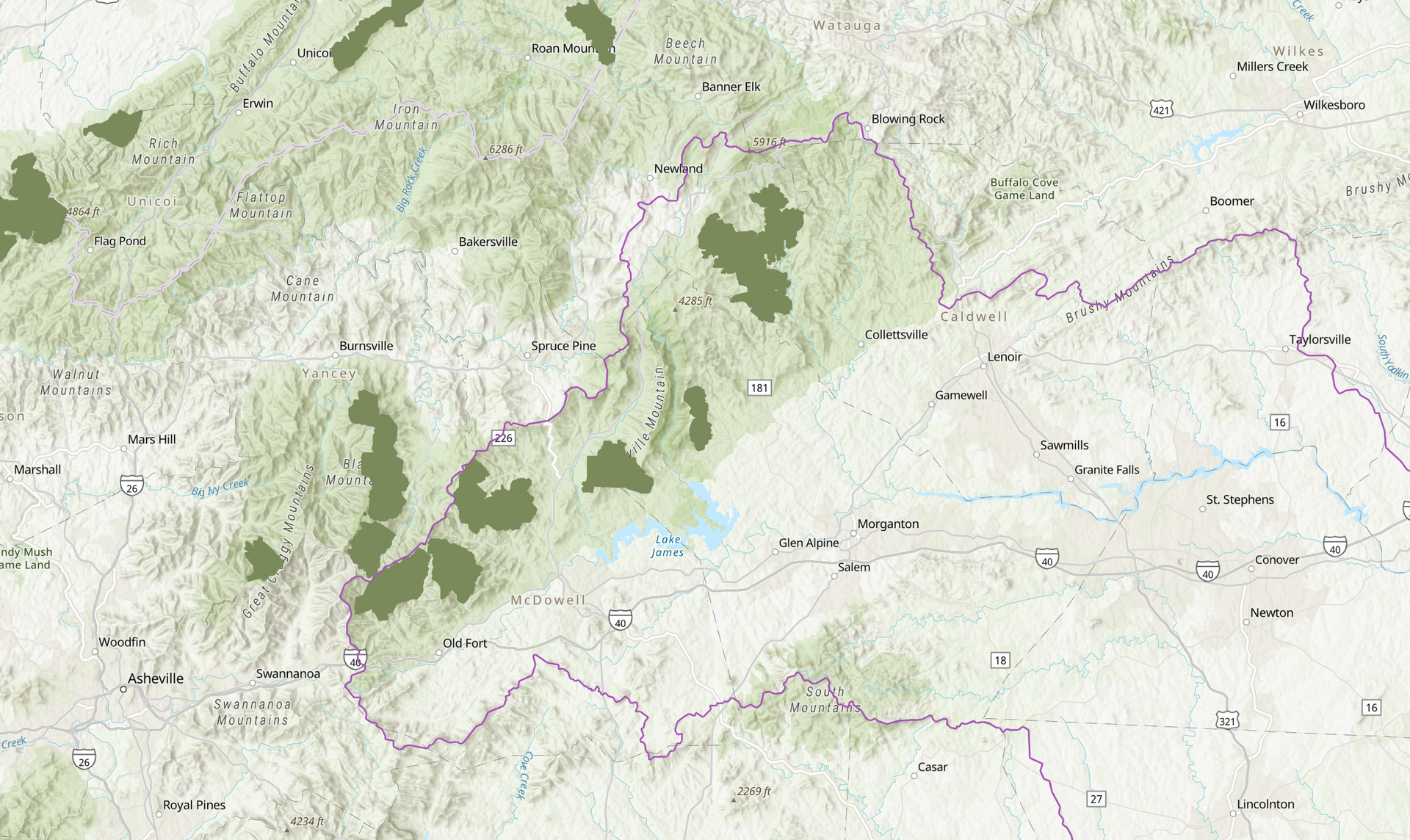
See the sponsored and available sites and lakes or rivers on the map below. We’ll update the map as new sponsors sign up.
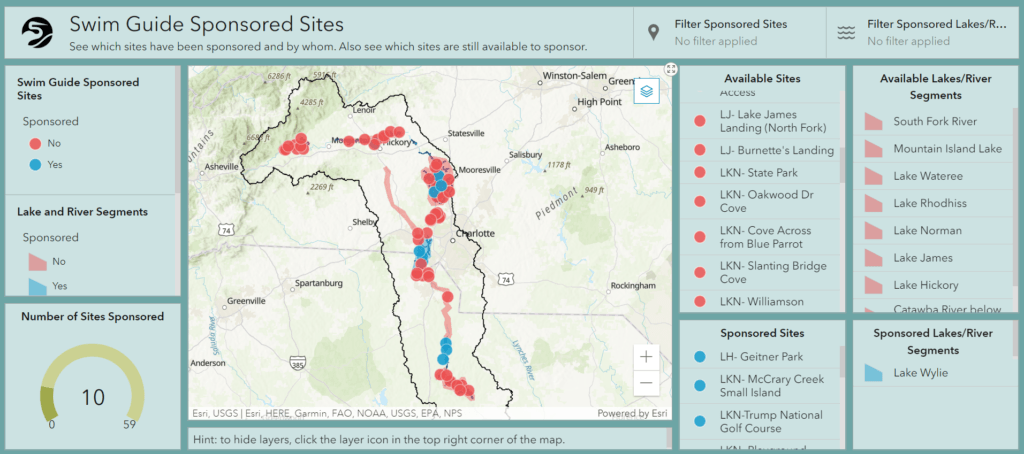
Lake or River Segments for Sponsorship
- Lake James
- Lake Rhodhiss
- Lake Hickory
- Lake Norman
- Mountain Island Lake
- South Fork River
- Lake Wylie – Sponsored by the Borman Family
- Free flowing Catawba below Lake Wylie Dam
- Lake Wateree
The Riverkeeper’s sample data provides a general guide to the health of the waterway and should only be used for informational purposes. This data does not guarantee the sampled area is safe for swimming at all times. Overall, E. coli levels in the Catawba lakes are low, and the reservoirs are typically safe for swimming. However, E. coli levels can change at any time & increase after rain events. As a general rule, if the water is clear, then E. coli levels are likely to be low.