

Rocky Shoals Spider Lily: Restoration
The rocky shoals spider lily (Hymenocallis coronaria) is a rare aquatic flowering plant characterized by its distinctive crown-like membrane called the "corona." The flower features six spider-leg-like extensions attached to the corona, along with six stamens. Each plant grows to about 3 feet tall and 3 feet wide in direct sunlight, with multiple blooms on a single stalk.
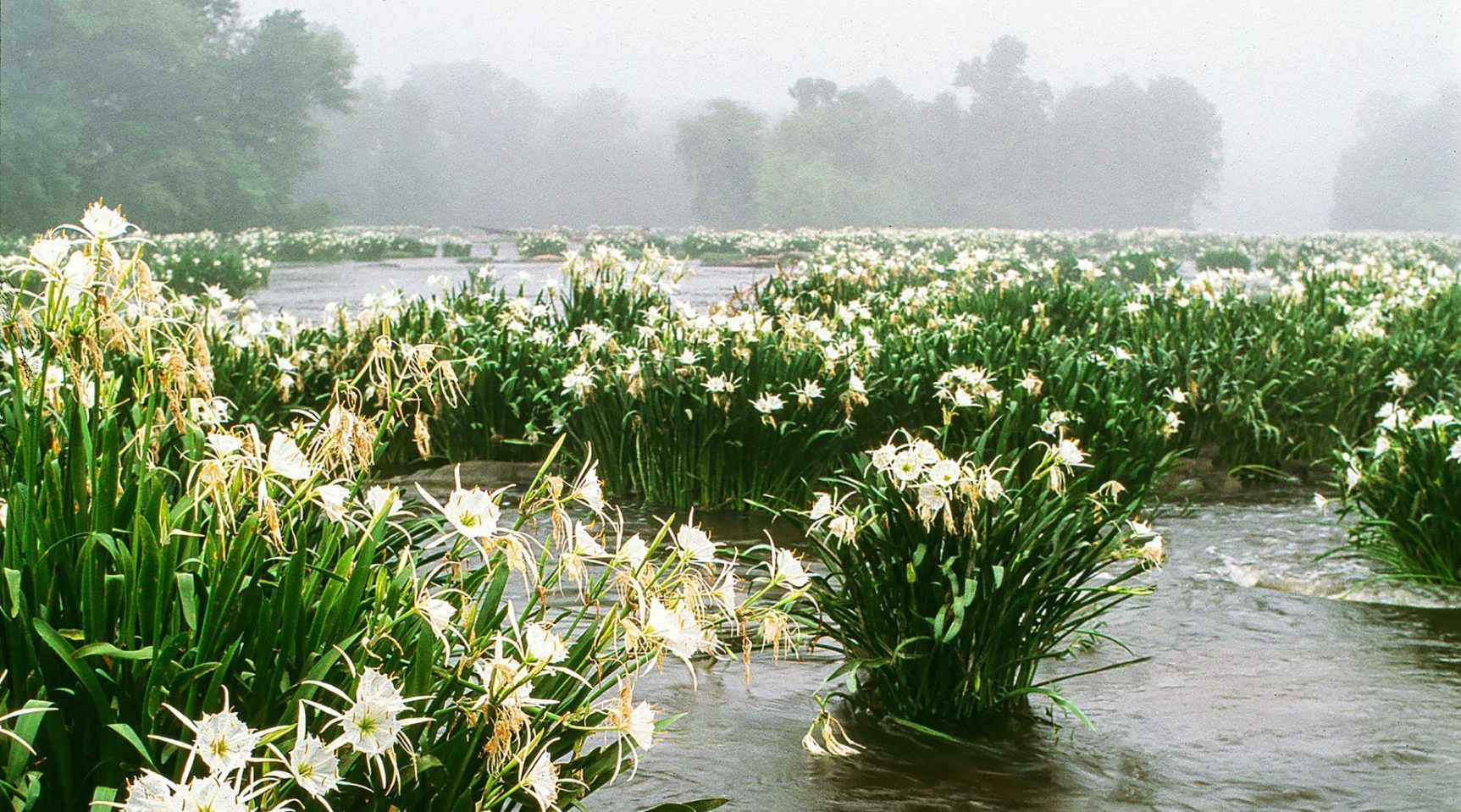
The name “rocky shoals spider lily” refers to the plant’s preferred habitat: rocky shoals in rivers with fast-flowing oxygen-rich water. The flowing water then disperses its seeds and bulbs, which may establish new colonies when they become lodged in rocky crevices with suitable growing conditions. The rocky shoals spider lily also plays an important ecological role by providing a habitat for aquatic invertebrates, fish, and amphibians. Its dense colonies help stabilize sediment, reduce erosion, and maintain the structural integrity of rocky shoal habitats.
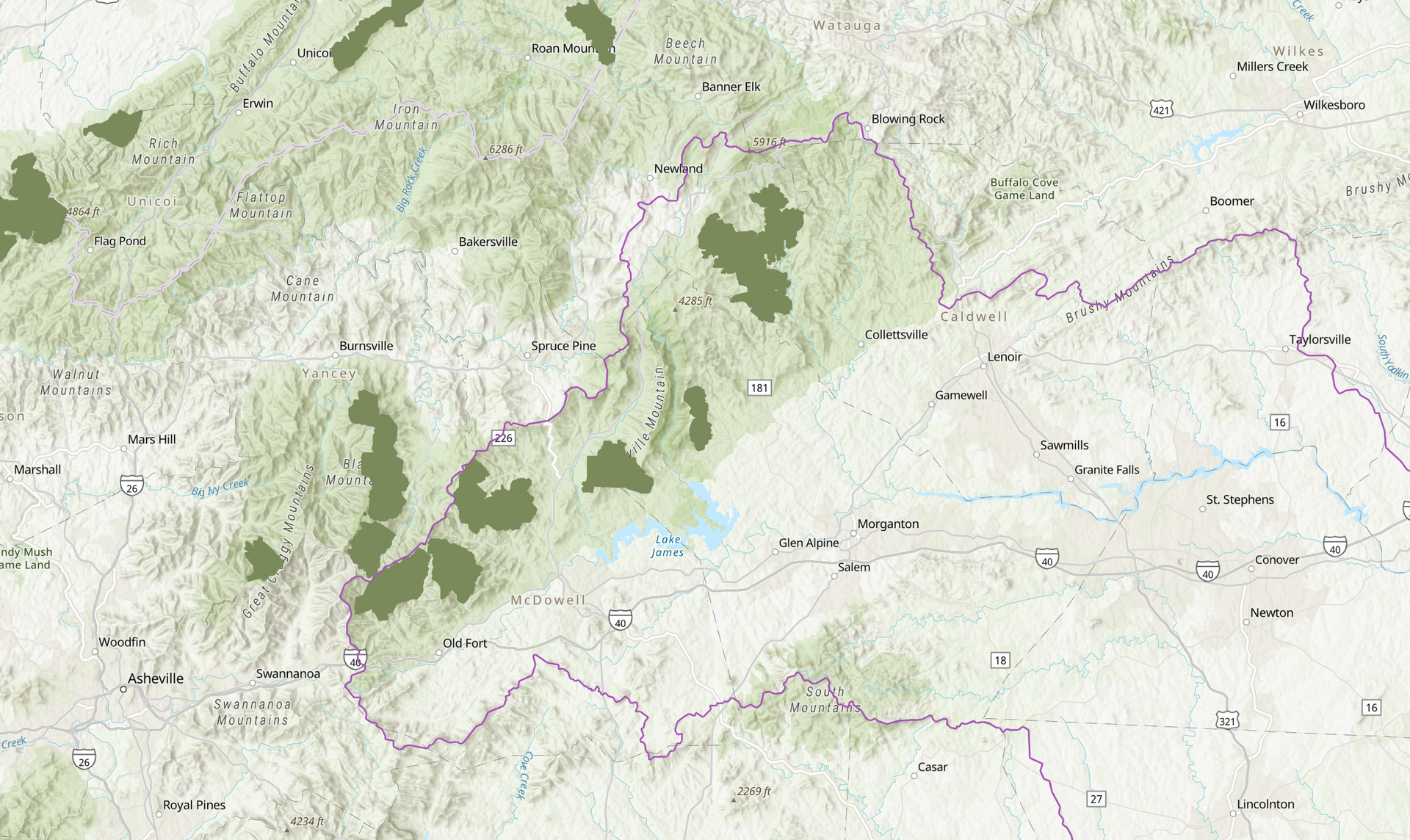
The species is endemic to the Southeastern U.S., meaning it occurs naturally only in this region. Notable populations exist in the Cahaba River (AL), Stevens Creek (SC), Savannah River (GA), Catawba River (SC), and Flint River (GA), with the largest stand at Landsford Canal State Park in Chester County, SC. The lilies bloom from early May through mid-June. Peak blooms can be viewed from riverside trails, along short hiking routes, or by paddling through the shoals. During peak bloom, Catawba Riverkeeper offers guided spider lily eco-tours, where visitors can observe the flowers and learn about their habitat, ecology, and conservation.
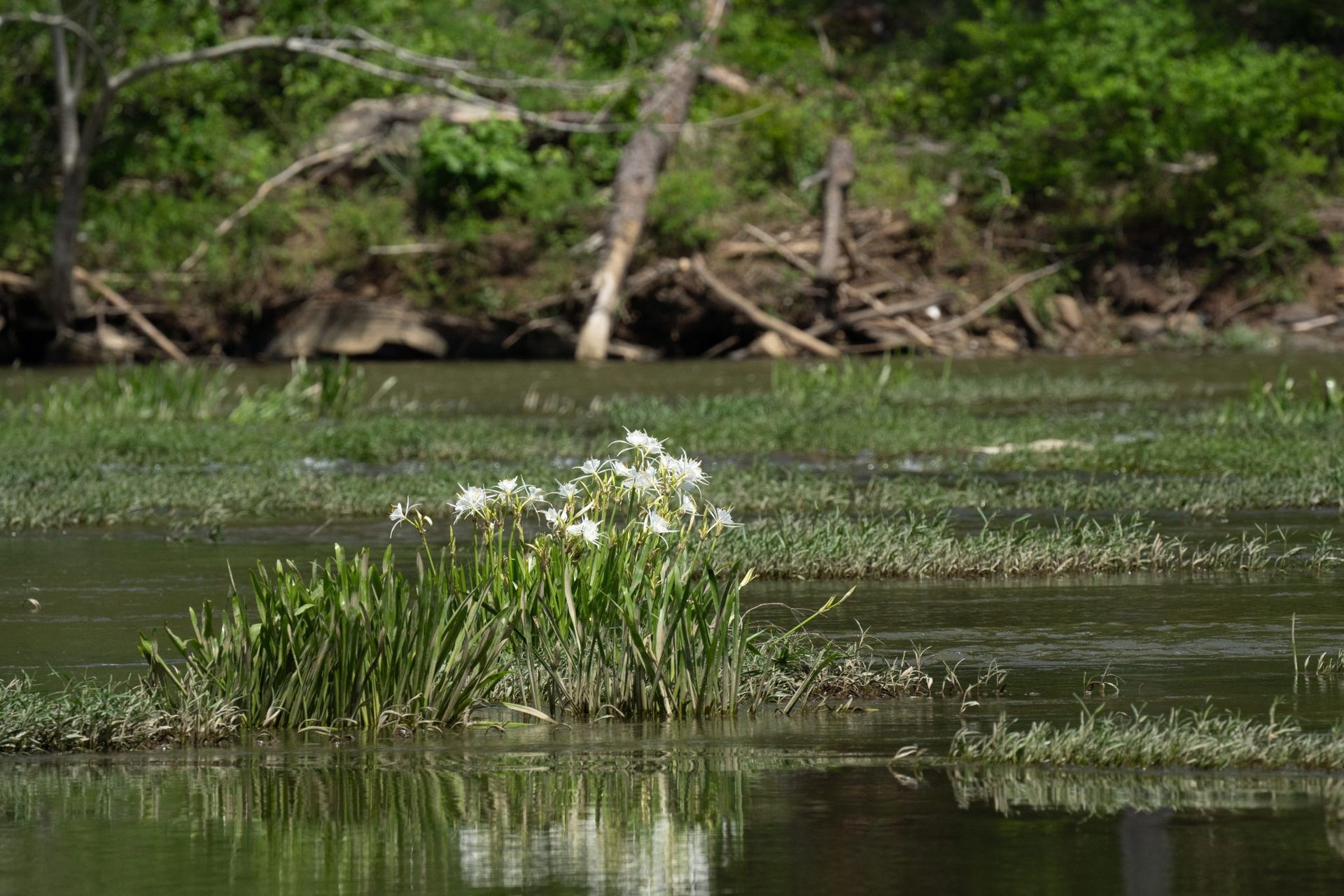
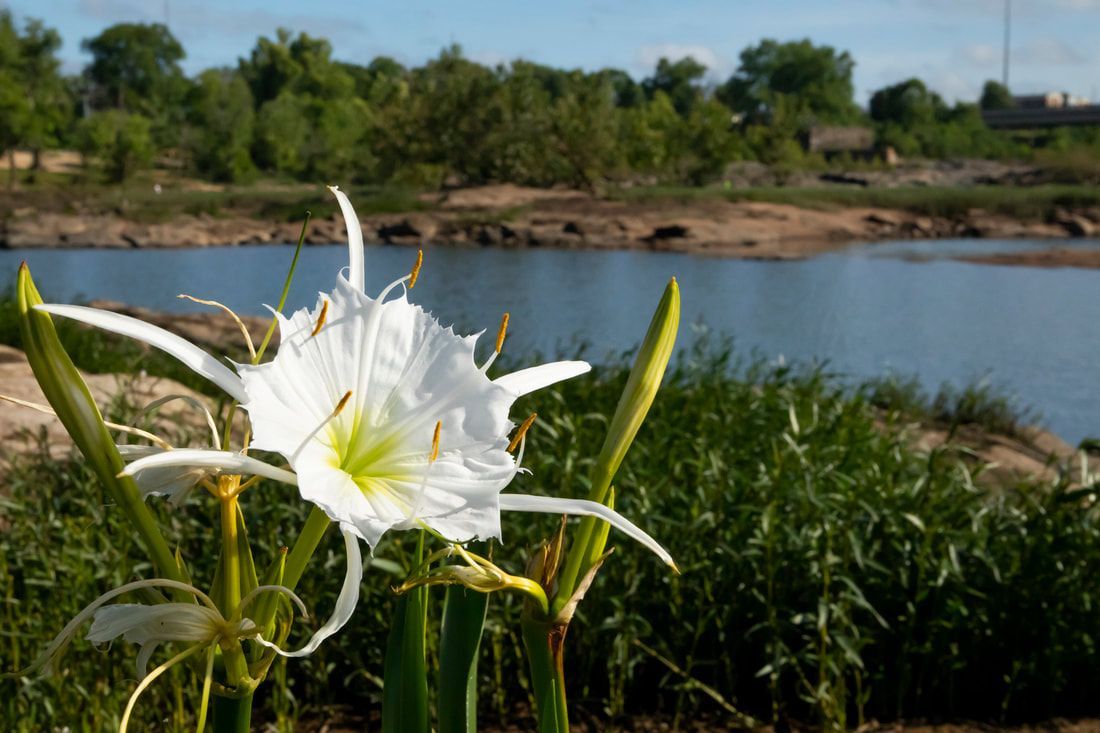
Savannah River
Georgia
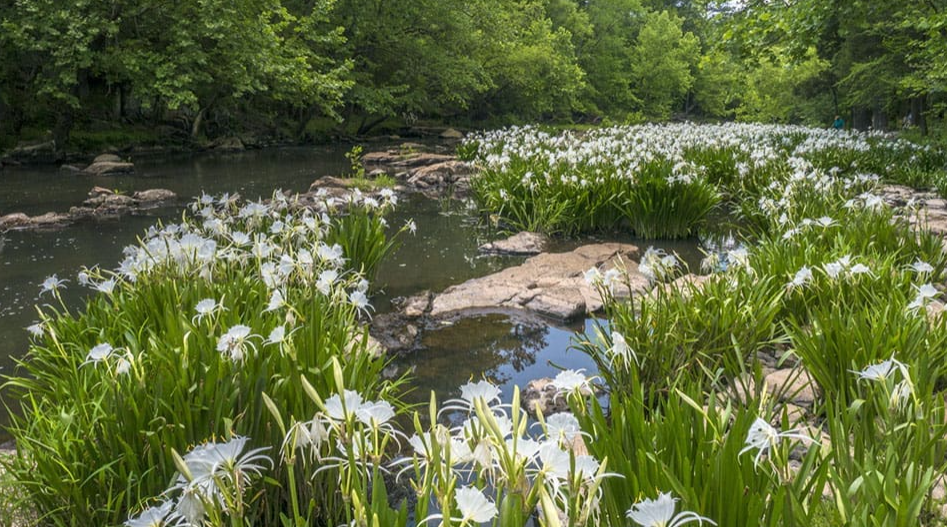
Stevens Creek
South Carolina
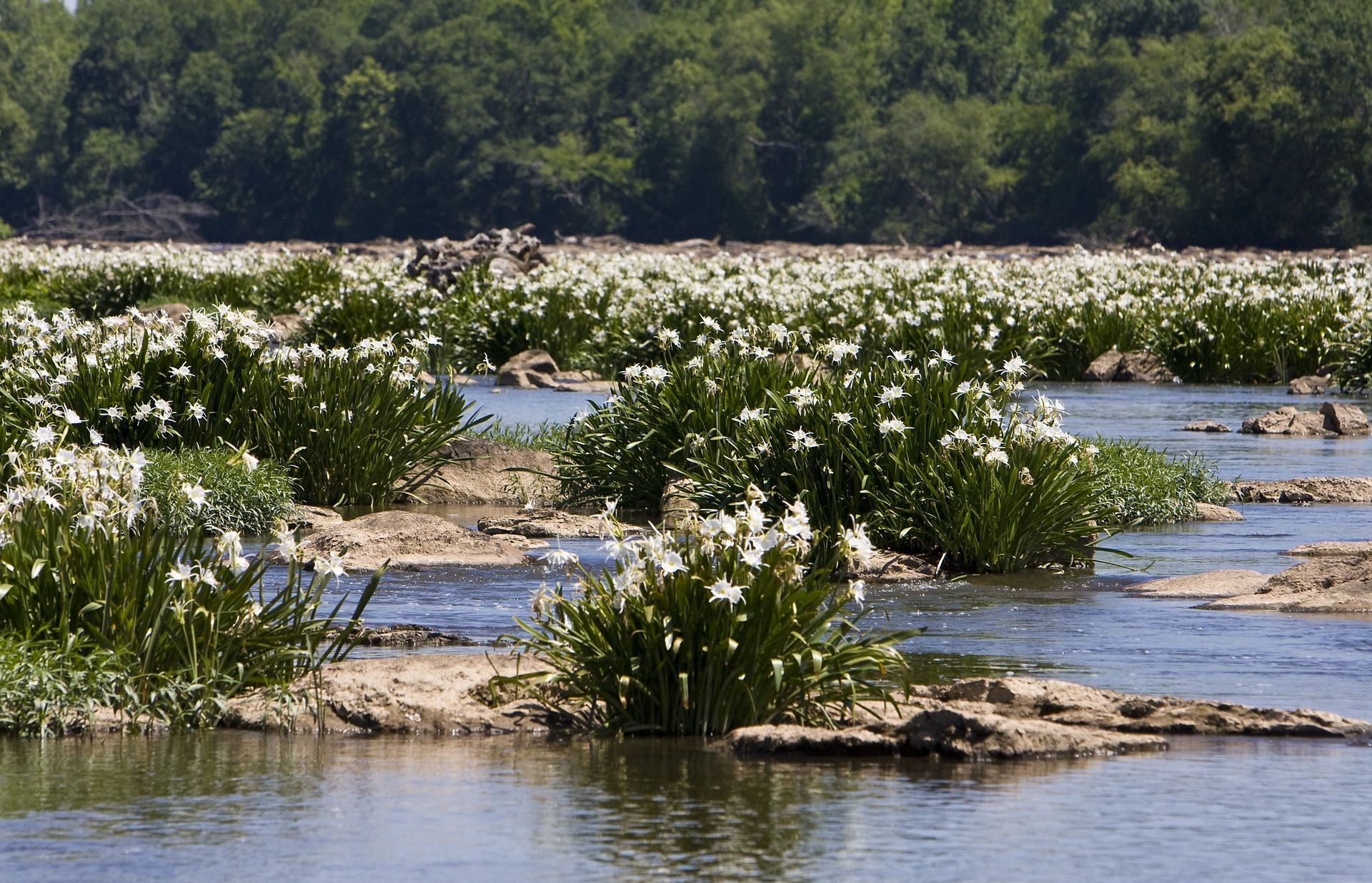
Catabwa River
South Carolina
The rarity of the rocky shoals spider lily is due to a combination of several factors. The species depends on a highly specialized habitat found only in fast-flowing, rocky shoals, a river environment that occurs in relatively few locations throughout the southeastern United States. Because these unique conditions are so limited, there are few places where the spider lily can successfully establish and maintain healthy populations. Additionally, human activities have further contributed to the species' decline. Dam construction, river modification, and development have altered natural water flow, submerged rocky shoals, and fragmented river systems, reducing the plant's ability to disperse and establish new colonies. As a result, populations of the rocky shoals spider lily have declined significantly and are now confined to only a small number of rivers within the species' historic range.
Because of its rarity and ecological importance, the rocky shoals spider lily has been considered for protection under the Endangered Species Act. Organizations such as Catawba Riverkeeper are working alongside researchers and conservation partners to restore habitat, propagate the species, and educate the public about the importance of protecting rocky shoal ecosystems for future generations. Catawba Riverkeeper supports the conservation of the rocky shoals spider lily through propagation and habitat restoration efforts. Each summer, staff, volunteers, researchers, and community partners collect mature seed pods from the largest known population of rocky shoals spider lilies at Landsford Canal State Park. The seeds are then transported to the restored Long Reach Bypass at Great Falls, where suitable habitat has been reestablished following changes to river flow below Fishing Creek Dam. There, the seeds are carefully planted in an effort to establish new populations in areas that historically could have supported the species.
Seed collection and planting take place over multiple field days to maximize restoration success while minimizing impacts on the existing population. In 2025 alone, Catawba Riverkeeper and its partners propagated approximately 5,000 rocky shoals spider lily seeds in the Great Falls Long Bypass Reach. Through these ongoing restoration efforts, the organization is helping expand the species' range, strengthen existing populations, and improve the long-term resilience of one of the Southeast's rarest native plants.