Announcing our NC State Lab Certification in Benthic Macroinvertebrate Sampling!

February 5, 2025

Northern basin lab becomes first state-certified non-profit macroinvertebrate sampling lab in North Carolina
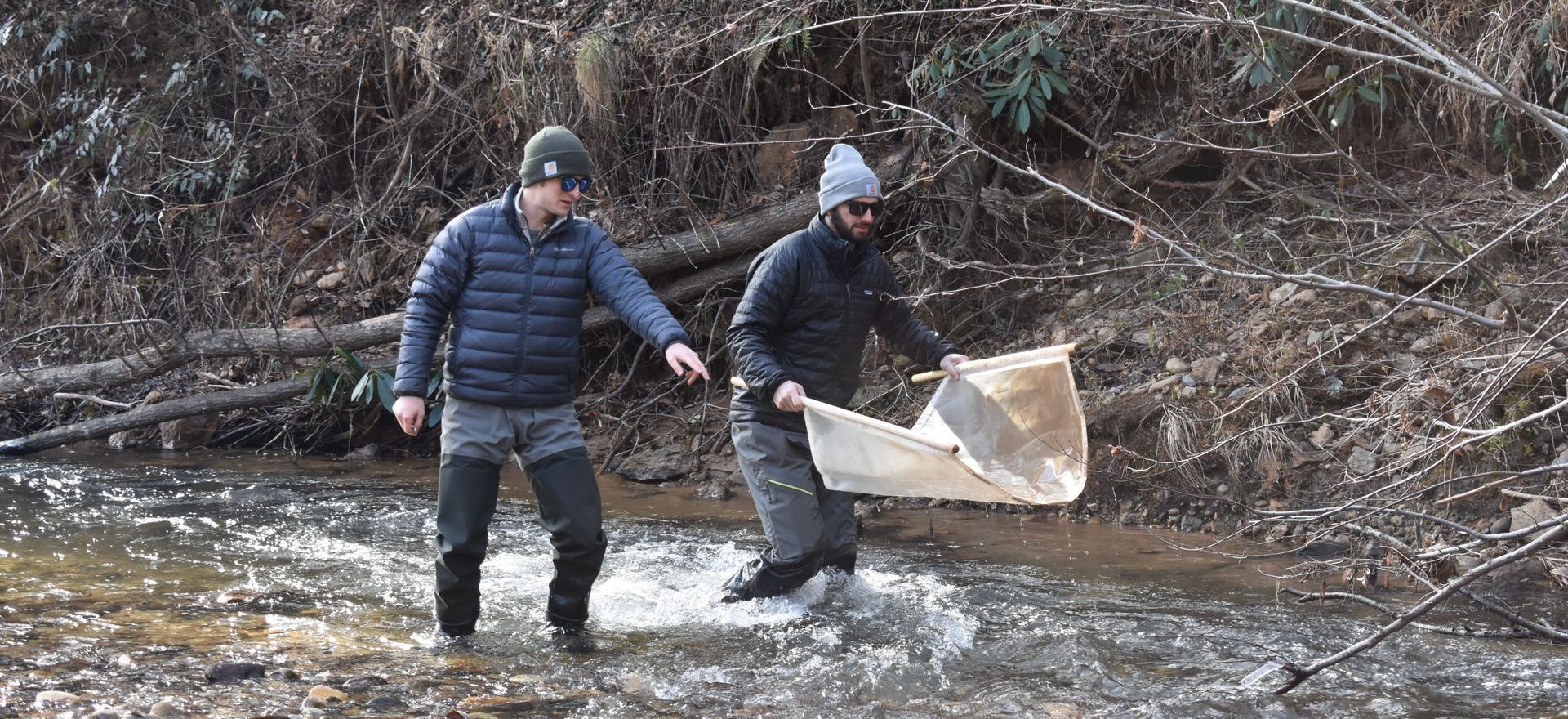
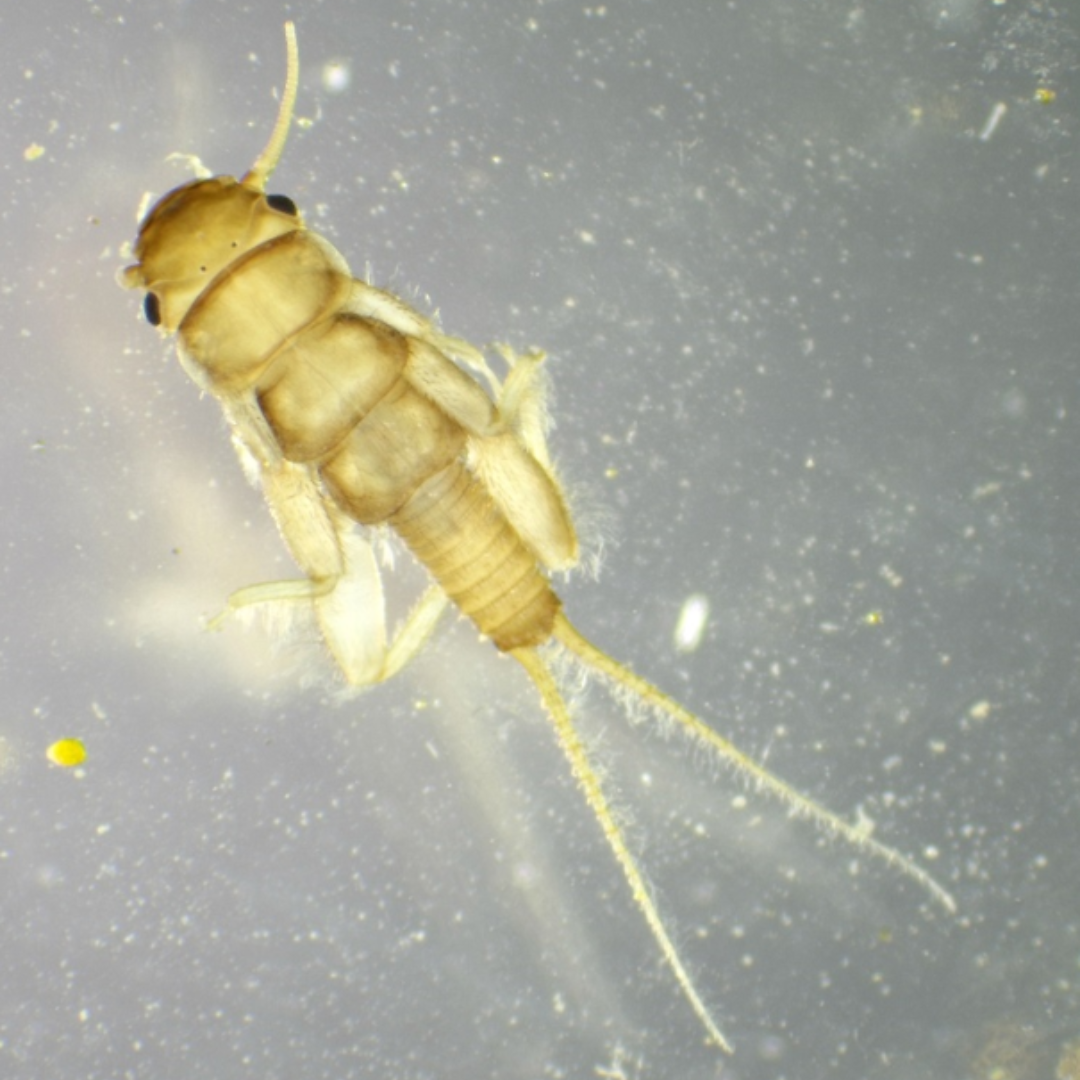
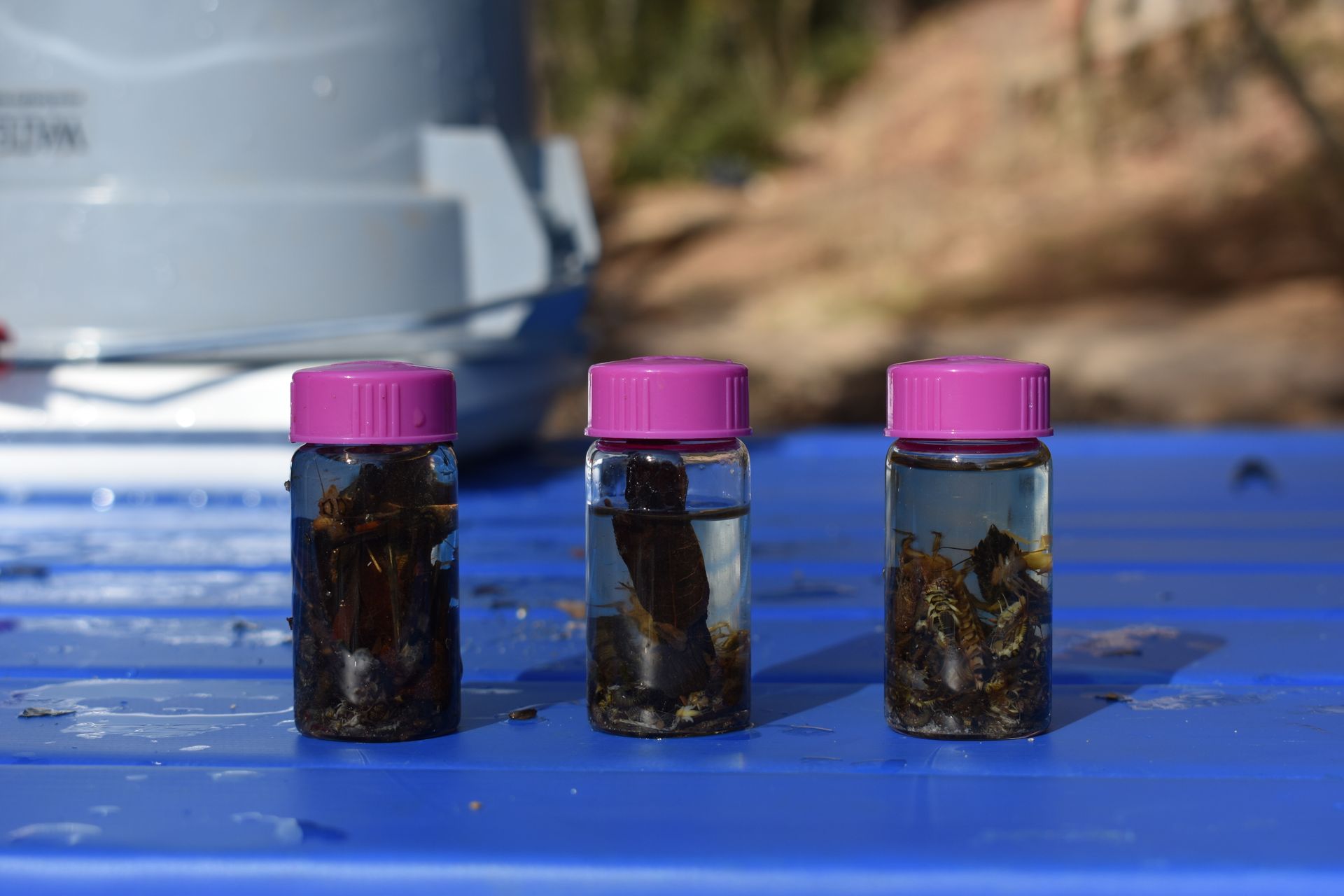
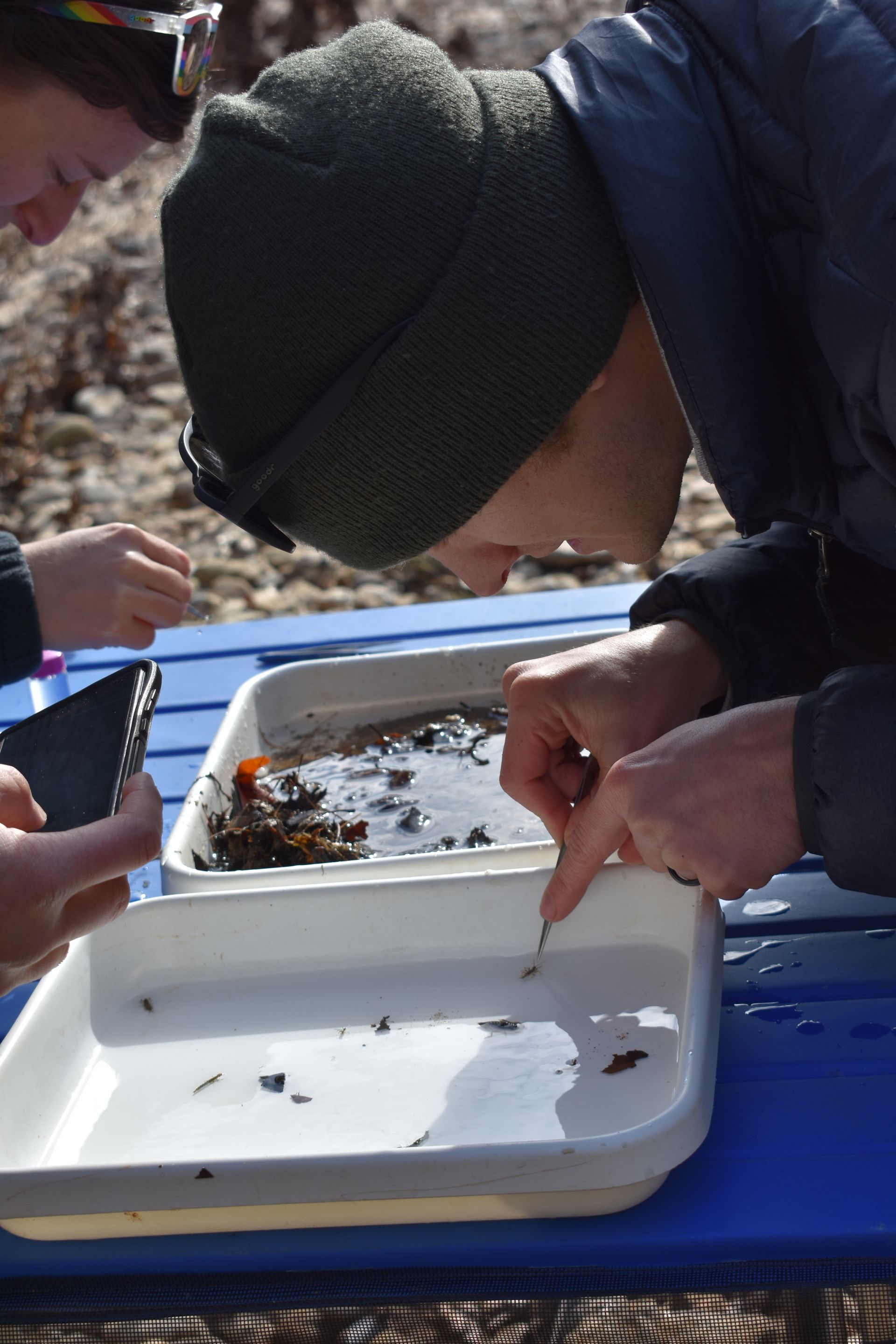
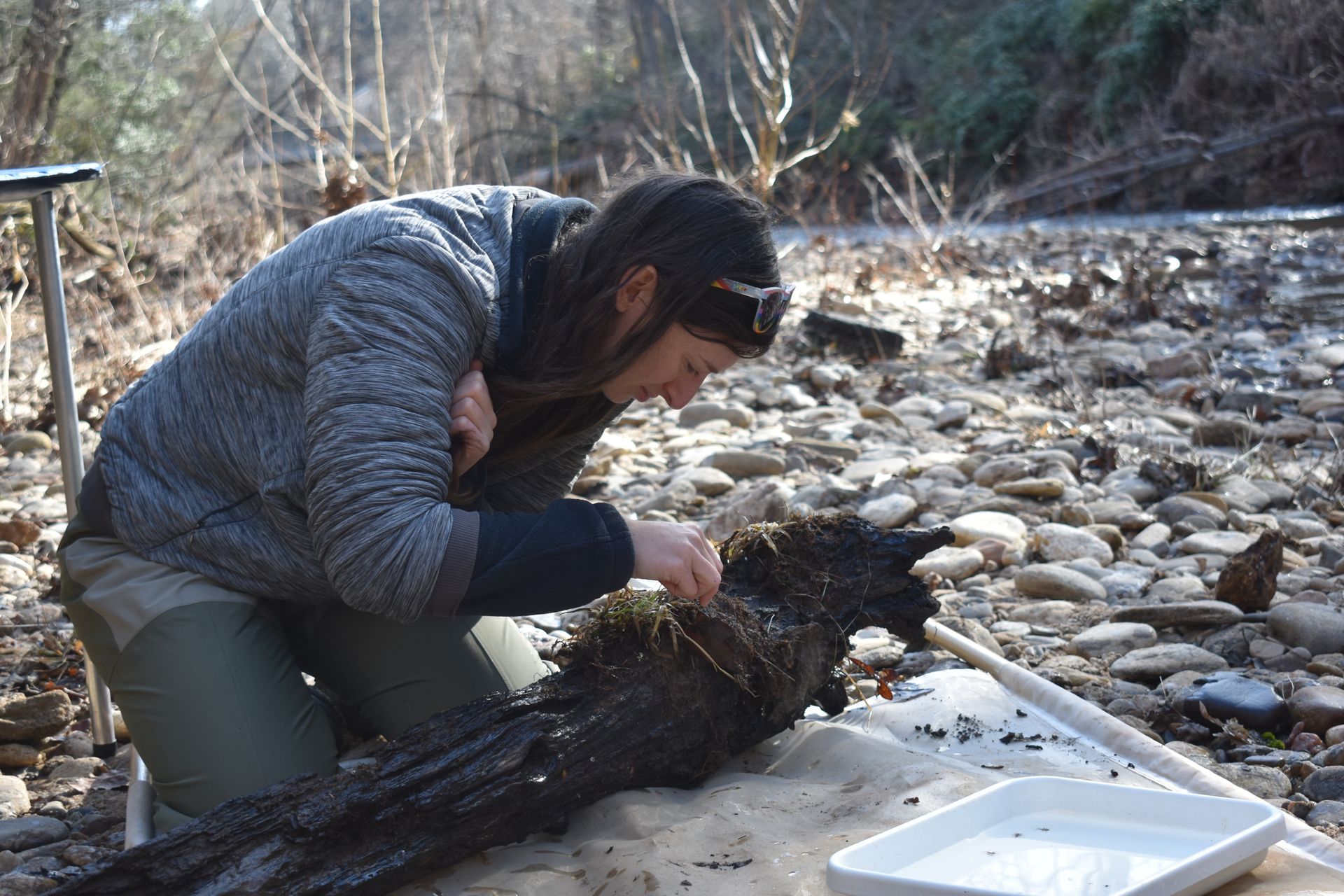
Great news from our Northern Catawba Basin! The North Carolina Department of Environmental Quality’s (DEQ) Division of Water Resources has recently certified Catawba Riverkeeper’s Northern Basin lab for benthic macroinvertebrate sampling, a common method of water quality assessment. This method examines the presence of aquatic insects in streams—the presence of diverse, stable, and pollution-sensitive populations of these macroinvertebrates indicates good water quality. In other words, when water quality deteriorates, certain animals serve as indicators of the change in water health.


To support the work being done across the state of North Carolina to monitor water quality in this way, our Northern Basin Director, Grant Buckner, spent the last two years completing requirements to become a state-certified laboratory for the use of macroinvertebrates to monitor water quality. After countless hours of training in the lab and the field, and after completing multiple bioclassification assessments, we have successfully demonstrated our capability and proficiency in performing biological analyses for certified parameters. This means that Catawba Riverkeeper is now qualified to report biological monitoring data to the Division of Water Resources for compliance with National Pollutant Discharge Elimination System regulations. Catawba Riverkeeper is now one of only eight labs in the state of North Carolina to receive this certification, and the only non-profit lab to do so.


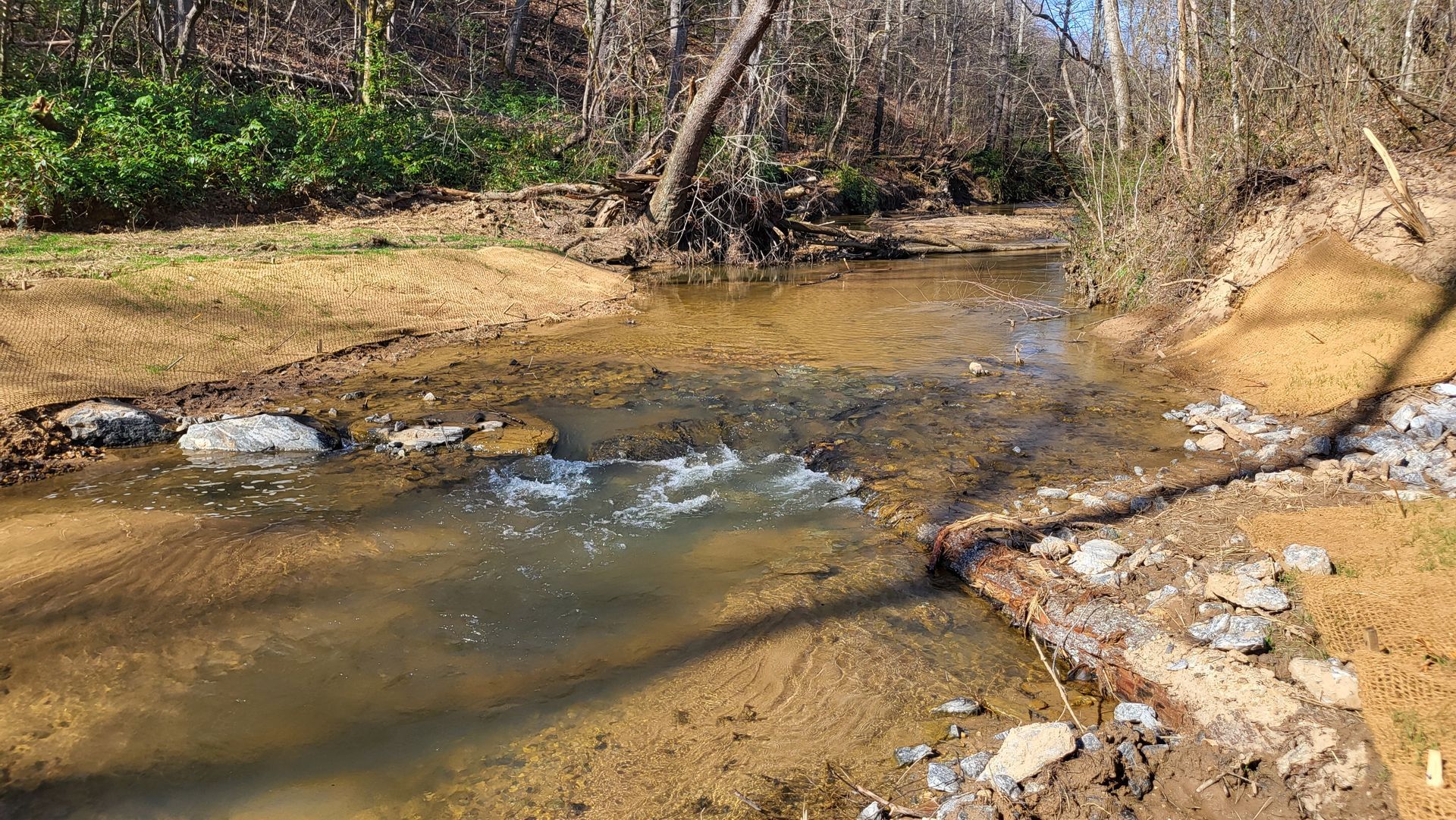
With this certification, we will be able to conduct assessments of streams that have been overlooked or where new concerns have arisen. Not only will these assessments better inform our restoration work (and the work of our partners), but data from this lab will also influence the NC Department of Environmental Quality’s 303(d) list of degraded water quality in streams across the state.


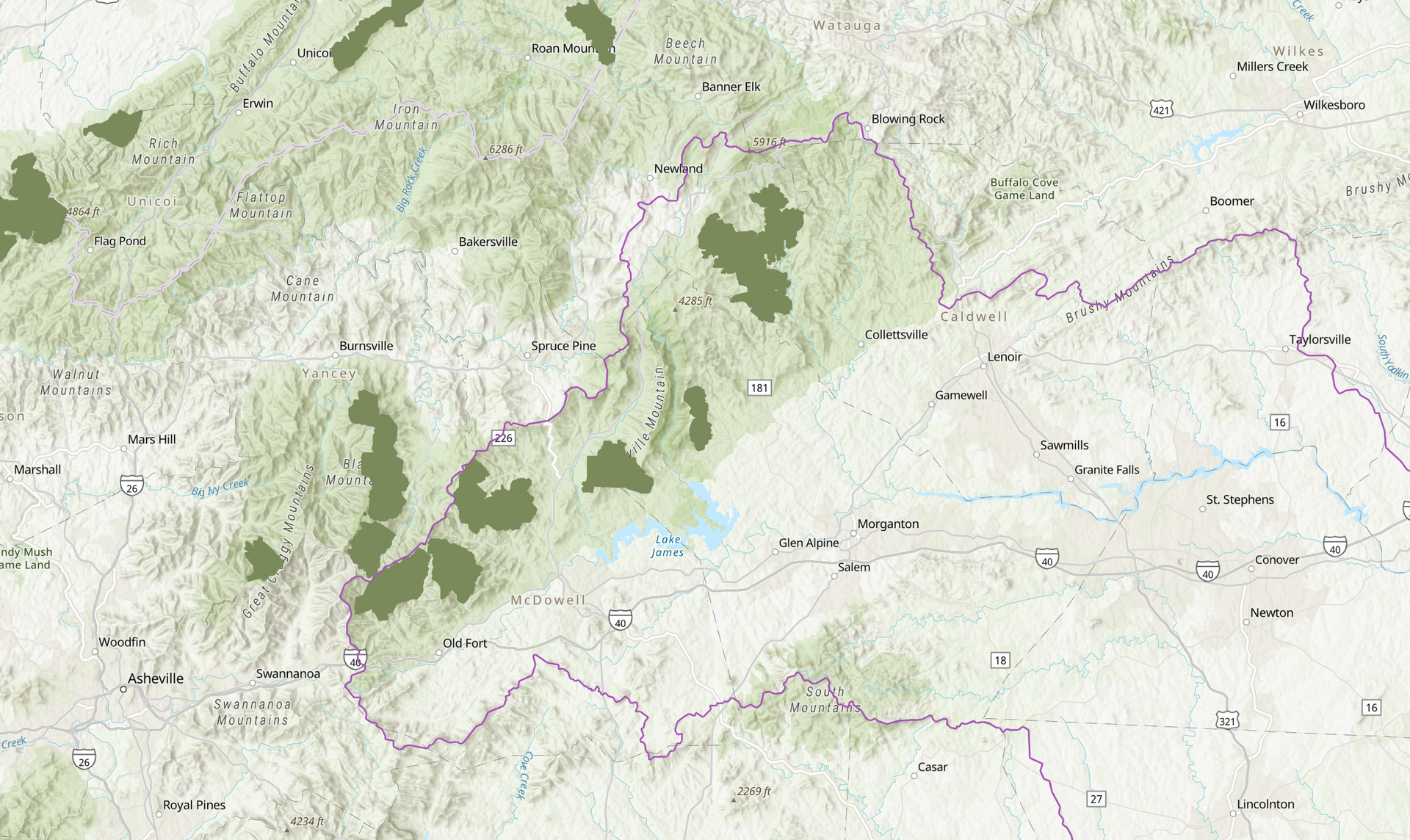
This newly state-certified lab is located in the Foothills Conservancy of NC’s building in downtown Morganton, NC, where Grant Buckner is based, along with our Lake James Program Manager, Sophie McCarthy. Foothills Conservancy and the Lake James Environmental Association have been important partners in our shared work to protect water quality in the region.


This state laboratory certification has been made possible by generous contributions from Chip & Martha Whitfield, the Rostan Family Foundation, the Community Foundation of Burke County, and the Attorney General Environmental Enhancement Grant.
December 17, 2025
Catawba Riverkeeper is pleased to announce that Dr. Mo Drinkard has been hired as their new Executive Director. A standout among over 100 applicants, Mo was offered the position by the Catawba Riverkeeper Board of Directors search committee on Thursday, November 20th, and she assumed her role as leader of the organization on Monday, December 1st, 2025. Catawba Riverkeeper Brandon Jones, who participated on the search committee, shared that “Mo’s education, experience, and passion are directly aligned with the organization’s mission and needs. We are excited for her perspective and leadership in continuing the critical work of protecting our waters.” Mo is a mission-driven non-profit leader, professor, and scholar with a passion for building strong organizations, nurturing future leaders, and tackling big challenges in conservation, equity, and education. With over 20 years of experience spanning academia (Kent State University, Brevard College, Miami University), community partnerships, and environmental science, she's worn many hats: executive director, grant writer, program architect, DEIB strategist, faculty and student mentor, and not often enough, field biologist in muddy boots. Mo's work lives at the intersection of applied research and social change. She specializes in transforming great ideas into funded, functional, and impactful programs, whether that’s designing experiential learning curricula, guiding strategic organizational turnarounds, or helping community-based groups access the resources they need to thrive. From leading national workforce development initiatives to restoring urban watersheds (Doan Brook Watershed Partnership) and mentoring the next generation of environmental scientists, Mo brings an entrepreneurial spirit and deep subject matter expertise in biology, ecology, sustainability, and inclusion. Mo believes that science is for everyone, and that real change happens when we build spaces where all voices can lead. “I am honored and excited to offer leadership for the next chapter of Catawba Riverkeeper’s work. I believe deeply in the mission and am fully invested in the health and future of this watershed. I look forward to getting to work supporting the waterways, communities, and people that make up this expansive and impactful basin,” Dr. Drinkard said. Catawba Riverkeeper, currently one of the ten largest riverkeeper organizations in the United States, boasts over 8,000 members across the 26 counties of North and South Carolina where the waters of the Catawba flow. As the fifth Executive Director of the organization, Mo will bring new and innovative ways to advance the work of her predecessors and the mission of the organization in this new chapter of Catawba Riverkeeper’s leadership. Mo will be supported by 11 full-time staff and 22 volunteer board members to preserve, protect, and restore the Catawba River so that it sustains plentiful, clean water for generations to come.
October 13, 2025
Thank you to our 2025 Catawba Riversweep volunteers!
October 13, 2025
John Searby Steps Down as Executive Director After 6 Years of Leadership