Navigating the Legislative Process: How You Can Help Shape Laws to Protect the Catawba-Wateree River
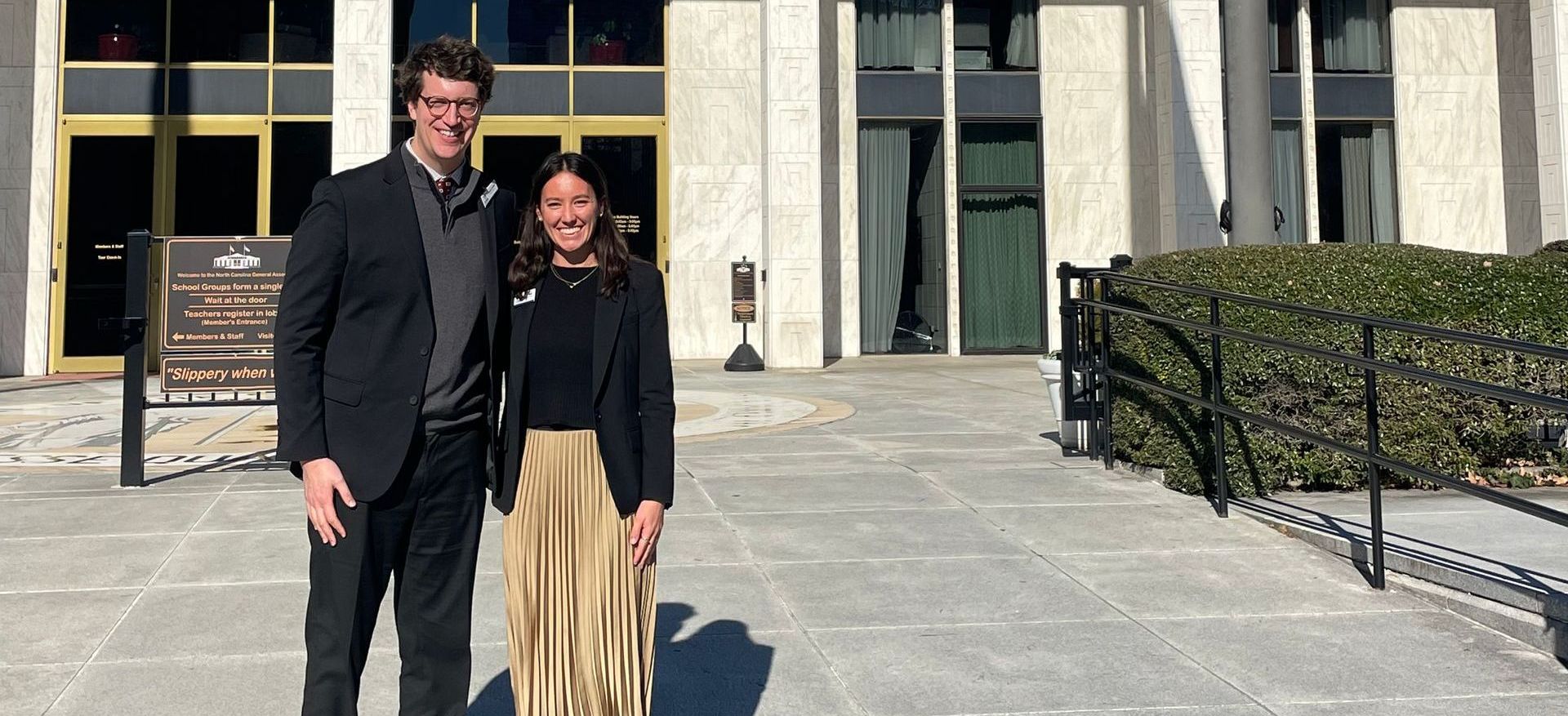
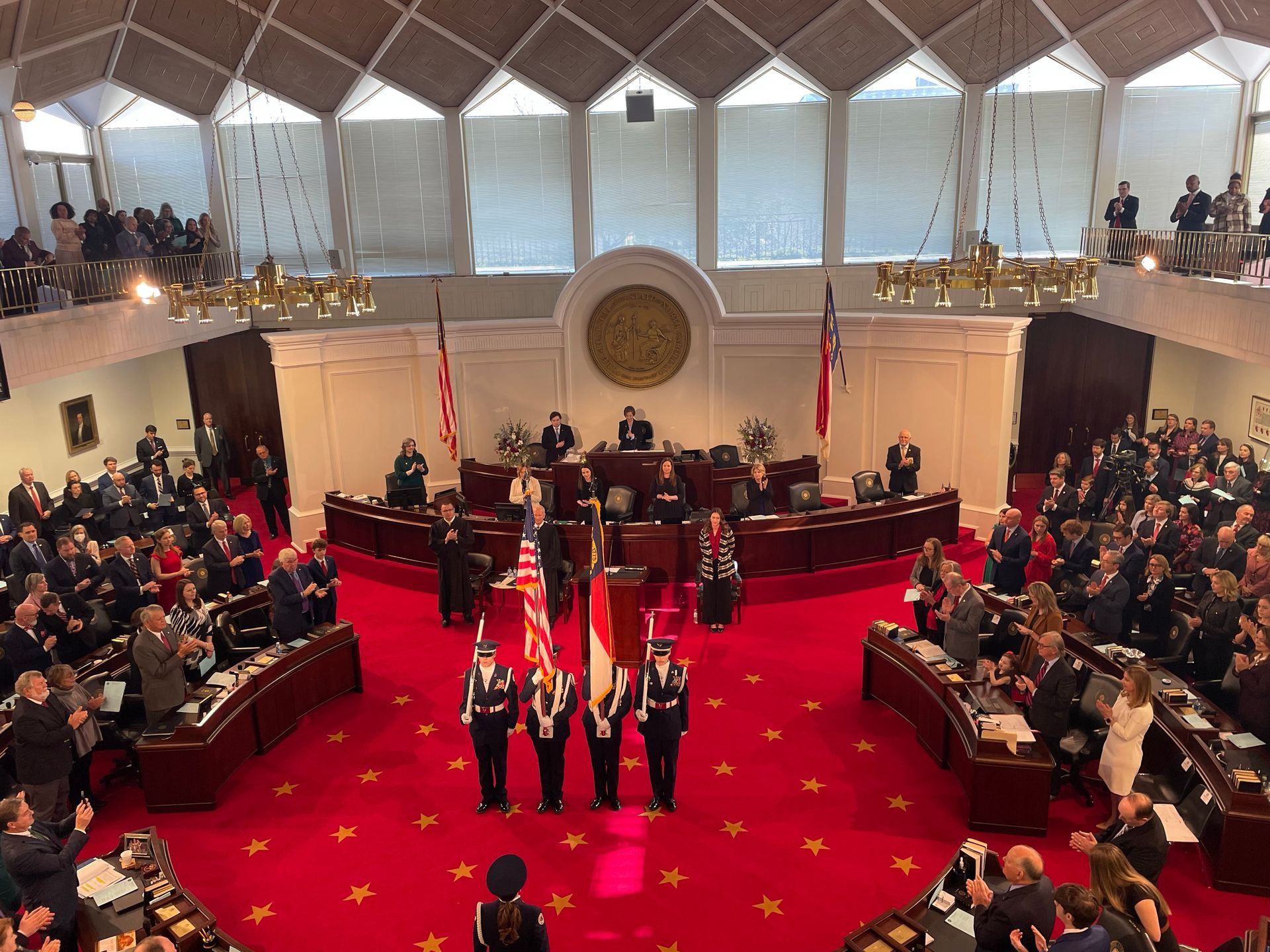
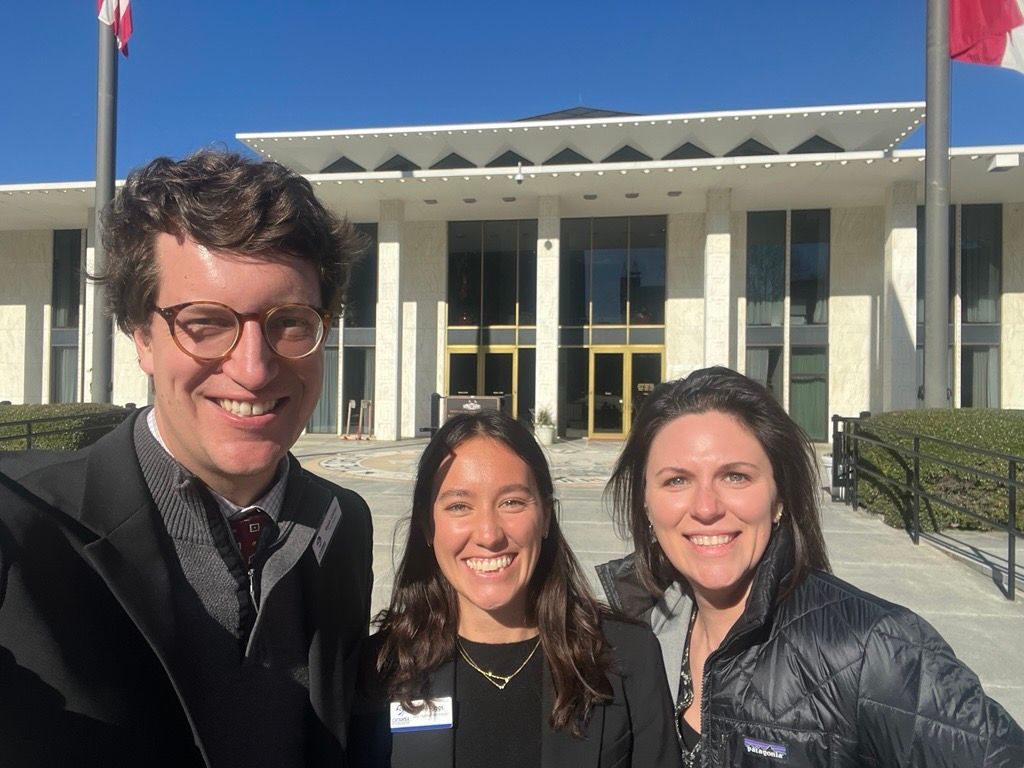
On January 8th, the Policy Team traveled to Raleigh to kick off the 2025-2026 Legislative Session and celebrate the swearing-in of North Carolina’s 170 new lawmakers. Just a week later, South Carolina’s 126th General Assembly convened in Columbia. Congratulations to all the new legislators! We are excited to work with you to protect the waters of the Catawba-Wateree River.
Before we dive into the details of our advocacy work this year, let’s take a step back to your middle school civics class. What exactly is a General Assembly? What is a legislative session? And how does an idea become a law?
In both North and South Carolina, the General Assembly is the government body responsible for making state laws. It’s divided into two chambers: the House of Representatives and the Senate. Each member of the General Assembly is elected for a two-year term to represent the constituents from their district—including you!
In January of each odd-numbered year, the new NC and SC General Assemblies convene for the first time in Raleigh and Columbia to begin their legislative sessions. During this time, legislators meet with constituents, lobbyists, government staff, and each other to discuss issues and solutions, introduce bills (drafted proposals for new laws), and vote on legislation. The goal of a legislative session is to create and pass laws that address state needs and shape the future of our communities. In NC, the General Assembly meets on a biennial schedule, with a “Long Session” from January to August of odd-numbered years and a “Short Session” in May of even-numbered years to adjust the budget. SC’s General Assembly convenes annually from January to May.
So, how does a bill become a law? The process begins when a concerned citizen or advocacy group, like Catawba Riverkeeper, presents an idea to a legislator. If the idea gains support, it’s drafted into a bill and introduced into one chamber, where it’s debated and refined by a committee. If the bill passes the first chamber (in NC, this must happen before May 9th of the Long Session), the process repeats in the second. Once both chambers approve the bill, the governor can sign it into law.
However, it’s rarely as simple as the Schoolhouse Rock “I’m Just a Bill” song suggests. Proposing a bill requires a tremendous amount of work, including extensive background research, numerous meetings with legislators, and meticulous conversations and email exchanges to fine-tune the text. Even after this, the bill can face delays, revisions in committee, or a veto from the governor. No wonder “Bill” from “I’m Just a Bill” looks so worn out!
There is still one crucial step in the process that Schoolhouse Rock left out, and it involves YOU! As a constituent, your voice can directly influence laws that impact your life. Legislators derive their power from the people they represent, and their decisions are shaped by your concerns. Urging your Senator and Representative to support bills that matter to you is a powerful way to help pass legislation. It’s easy to do! Visit ncleg.gov or scstatehouse.gov to find your lawmakers’ contact information. You can email them to express your support for bills you care about. These websites also let you track the progress of bills as they move through the legislative process.
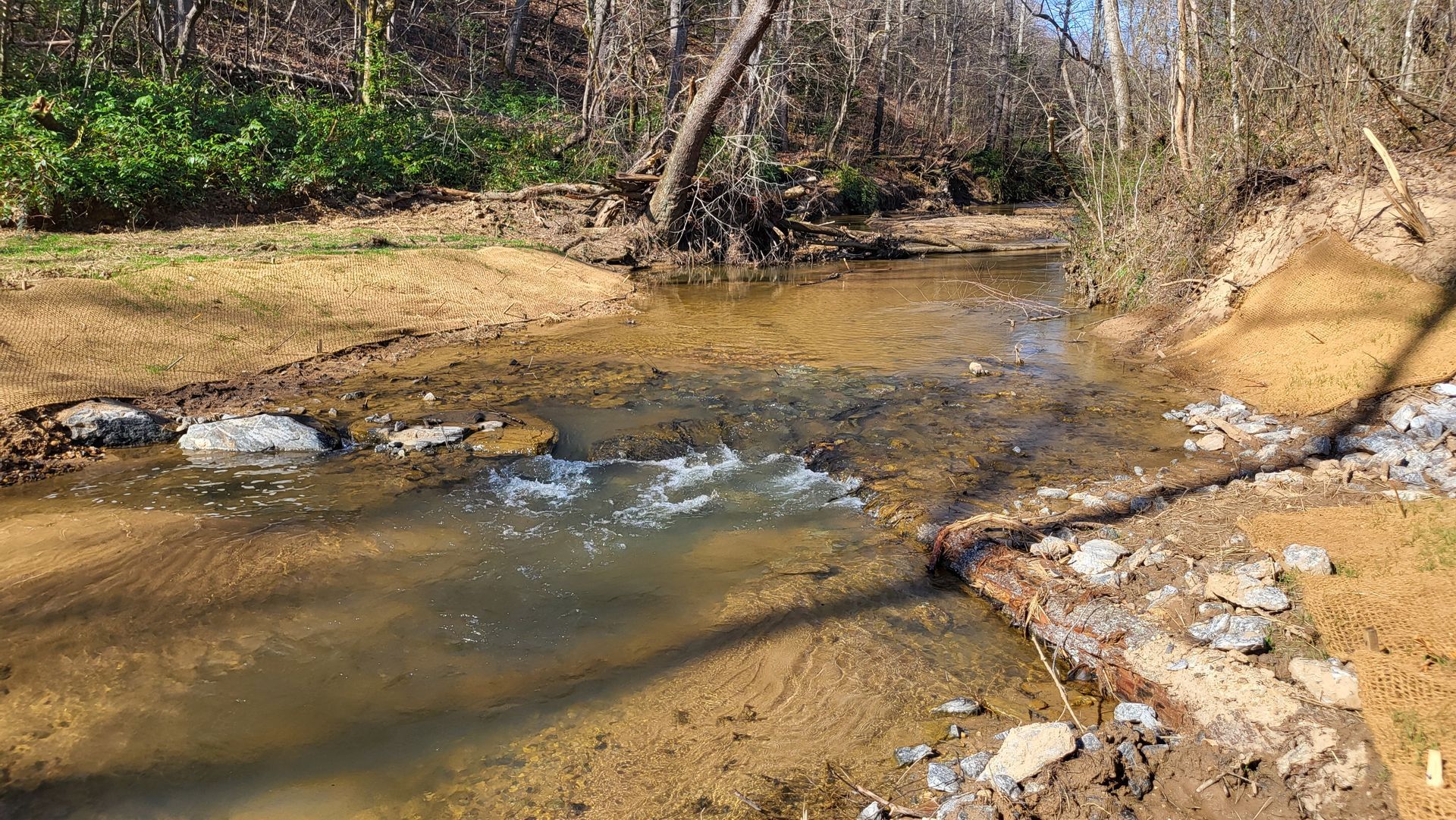
Despite the challenges and complexity of the legislative process, advocating for our river is a central part of Catawba Riverkeeper. Every piece of our 2025-2026 Legislative Agenda and every bill we support has the potential to make meaningful impact on the health of our streams, rivers, lakes, and communities. Advocacy is also a team effort. While the Policy Team is brainstorming new ways to address stormwater runoff, meeting with legislators to discuss the importance of outdoor recreation, and drafting legislation to support disaster recovery, the work of advocating for our waterways requires all our voices coming together to create positive change. We hope that you will join us in being a voice for our waters this legislative session! Visit our Advocacy Page to learn more.