Brewing Up Sustainable Solutions: Award-Winning Charlotte Beer Crafted with Recycled Water

Susannah Bryant • February 22, 2025

Town Brewing's "Renew Brew" makes waves in local sustainability efforts
If you’ve ever visited a Catawba Riverkeeper Taproom or participated in River Week, you’ve probably heard us use the phrase, “Good Beer Needs Good Water.” The words are emblazoned above the bar at Confluence as we try to drive home the fact that many of our favorite things, like beer, only exist because of good clean water, and lots of it. Beer is made up of 95% water, and it takes somewhere from 4 to 8 gallons of water to make just 1 gallon of beer. 


With over 50 breweries in the city of Charlotte alone, there is a substantial amount of water being drawn from the Catawba River for the production of beer. Though water is not currently scarce in the Catawba-Wateree River Basin, the growing population of the region will continue to put stress on our waterways as demand for water increases and development paves the way for more pollution in our drinking water resources.   


So, when Town Brewing’s “Renew Brew” was released in February of 2024, we were excited to see the first beer in the Carolinas to be brewed with ultra-sustainable recycled water. Though all water is technically recycled—water is drawn from the Catawba River, treated, used, treated again, put back in the river, and drawn out again downstream—this collaborative brewing project removes a step in the process, allowing the water to go twice as far in one place. 


Instead of returning the treated wastewater effluent to the river, project partner and global water technology company Xylem “super treats” the water until it is ready to be used in the brewing process. Following normal treatment at the McDowell Creek Water Resource Recovery Facility, the water goes through many additional purification steps: carbon filtration, reverse osmosis, ozone oxidation, ultraviolet disinfection, and another round of carbon filtration. It is then tested to ensure that it exceeds the EPA’s highest water quality standards for human consumption. Once approved, the water is then crafted into the now award-winning Renew Brew, which was awarded 1st Place in the 2024 Queen City Brewer’s Festival Best in Show. 


This collaborative effort between Town Brewing, Xylem, and Charlotte Water is helping to redefine how the Charlotte region thinks about recycling water, crafting beer, and stewarding our environmental resources. 


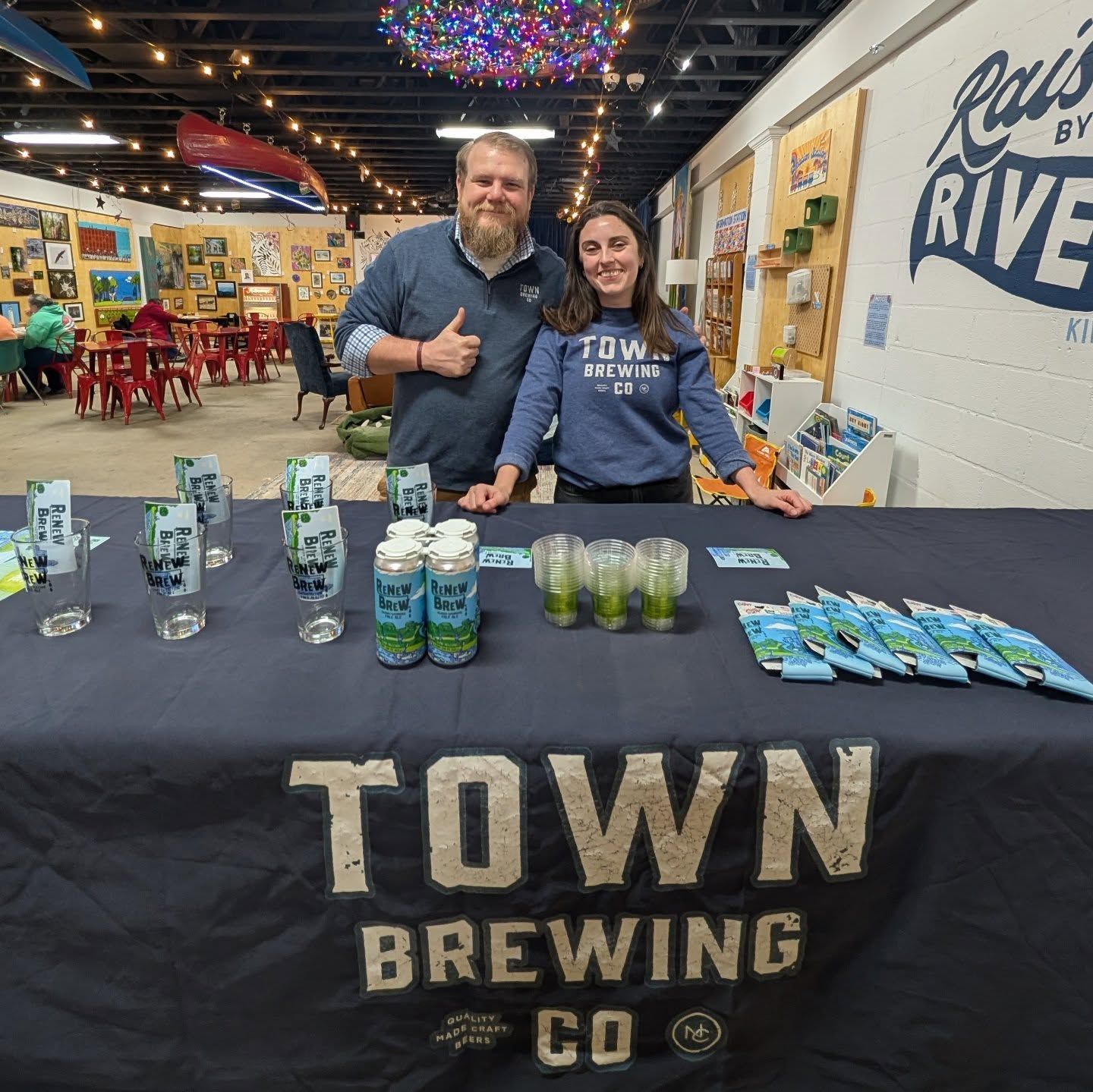
Many thanks to Town Brewing for joining us at Confluence in Cramerton, NC last week to give out samples of their Renew Brew and share about the making of this groundbreaking beer. Want to try the beer for yourself? Head over to Confluence and grab a can from the beverage cooler!
May 27, 2026
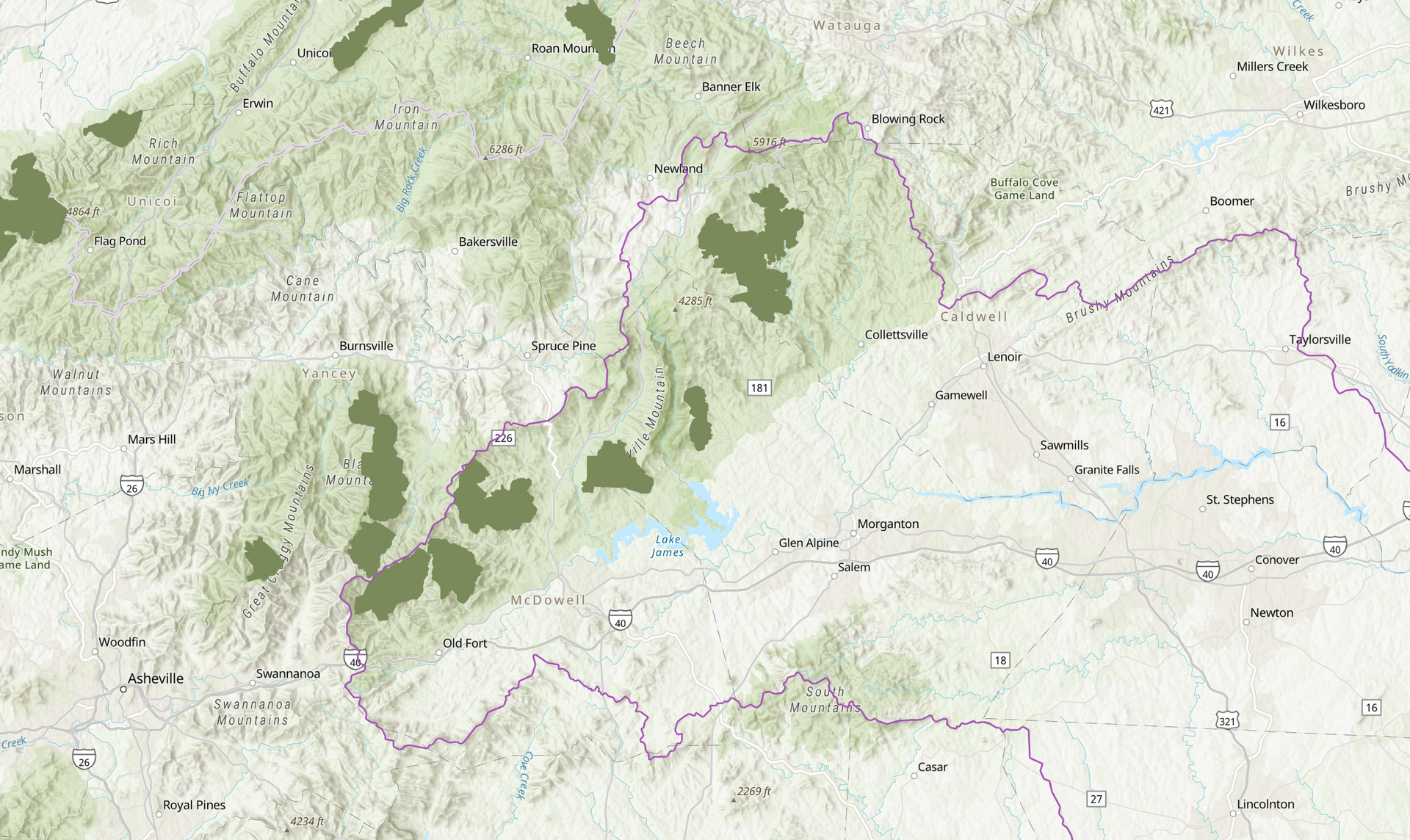
On the evening of May 26th, 2026, Catawba Riverkeeper Brandon Jones attended the Charlotte City Council Public Meeting. At this meeting, he shared our organization's comments on the proposed 150-day data center moratorium. These comments can be read below. "The Catawba Riverkeeper Foundation is a member-funded environmental nonprofit that educates, advocates, and protects the Catawba-Wateree River and all its tributaries. Our organization represents over 8,000 active members and nearly 3 million citizens who rely on the watershed for drinking water, recreation, and electricity. We are concerned that the growth of local data centers may overallocate our limited resources and decrease our ability to respond to drought. We appreciate the opportunity to comment on the proposed 150-day moratorium and strongly support the staff's recommendation to adopt it. Additionally, if adopted, we recommend that the study consider a tiered approach, transparency, and net water consumption. For our water resources, the most important data center metric is net water use. A 400 MW facility—like the one now under construction on Moores Chapel Road—may actually evaporate more water indirectly than directly for cooling. The nearby Catawba Nuclear Station uses approximately 30 MGD to produce 2,300 MW or 5.2 MGD from Lake Wylie per 400 MW. However, without transparency and reporting, it is difficult to know the current impact of these data centers and almost impossible to accurately forecast the industry's future. The most accurate forecast of our region's water resources is the Catawba Wateree Water Management Group’s 2026 Integrated Water Resources Plan. Unfortunately, this plan explicitly does not include increases in water use from data centers due to limited reliable information. It is absolutely critical that our community has accurate information. We need full transparency on the planned electrical and water use of large data centers. A ban of nondisclosure agreements between elected officials and developers could help alleviate suspicion and allow communities to make informed decisions about tradeoffs. The potential direct and indirect impact s of a project should be modeled by the CWWMG to determine its actual impacts. Those impacts could be mitigated by funding water conservation projects, as some data centers have already proposed. Once operating, we need reporting on the actual water and energy use. The cumulative impact must be understood to ensure capacity and resiliency. Water withdrawers from the Catawba utilize a Low Inflow Protocol during drought to help stretch the available supply. Large data centers need conservation plans that comply with this plan. It is hypocritical to ask residents and some businesses to restrict water use while permitting facilities that cannot or will not do the same. Most years, there is plenty of water for drinking, irrigation, ecological flows, and industry in the Catawba. However, droughts such as 2001, 2007, and today expose our vulnerabilities. These droughts are more likely in a warming climate, and we are becoming less resilient with a growing population and industrial demands. Sustainable water management requires careful planning and robust coordination between users, including data centers."
By Susannah Bryant March 19, 2026
Greg Nance has had his boots on the ground since the storm subsided.
February 19, 2026
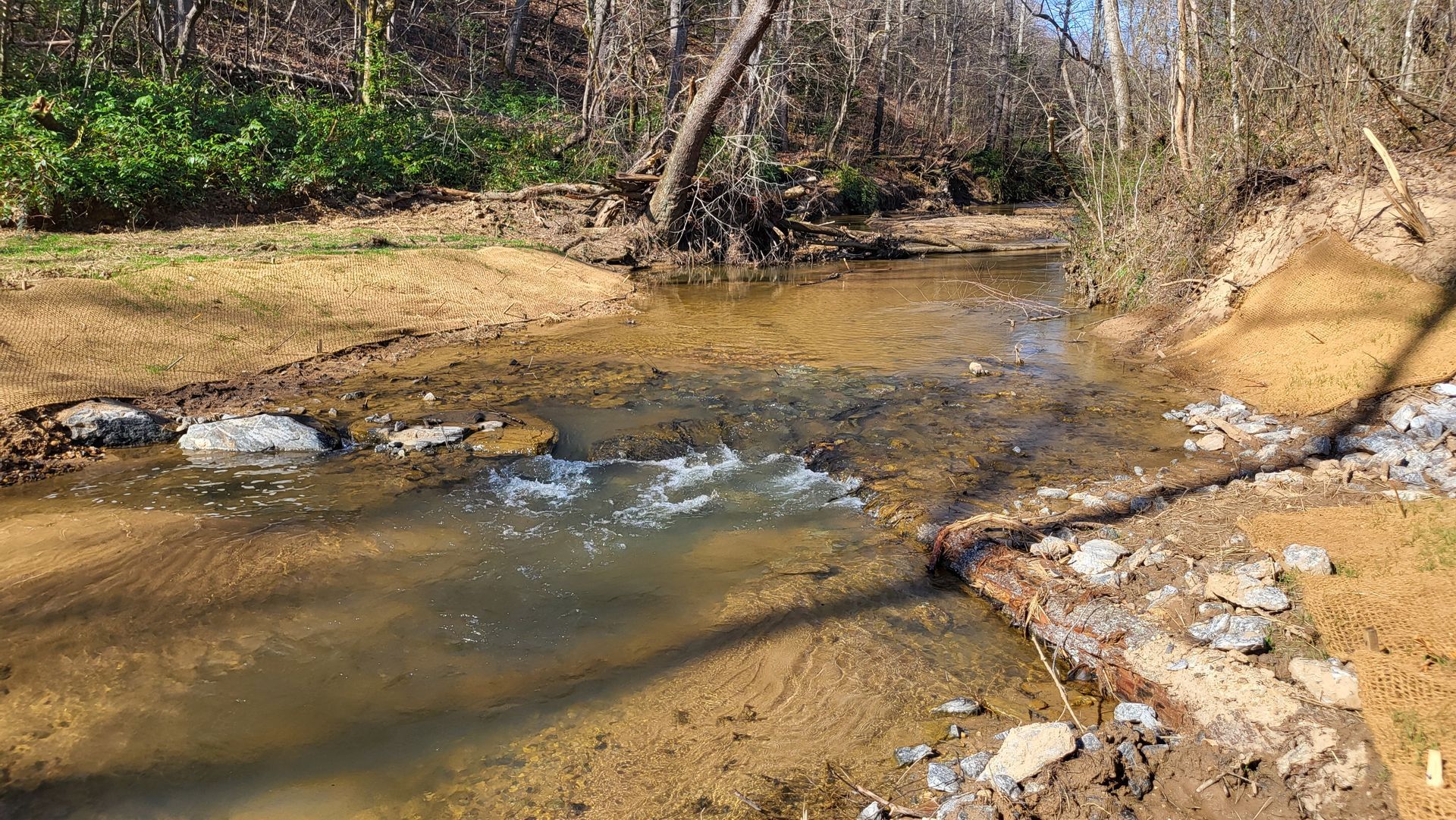
Live staking is a streambank restoration approach that reduces erosion and sediment pollution. This is the practice of planting dormant branch cuttings of native plants along streambanks (also known as riparian zones) to help hold soil in place along the waters' edge. Live stakes are planted along with native plant seeds and shrubs to create riparian buffers, which help prevent sediment from becoming a stream pollutant by securing the soil in place with good root systems. Riparian buffers also filter out other pollutants, such as chemicals, oils, fertilizers, and trash, before they enter our waterways.