
Wild Carolina Camp – Happening Next Week!
August 25, 2022

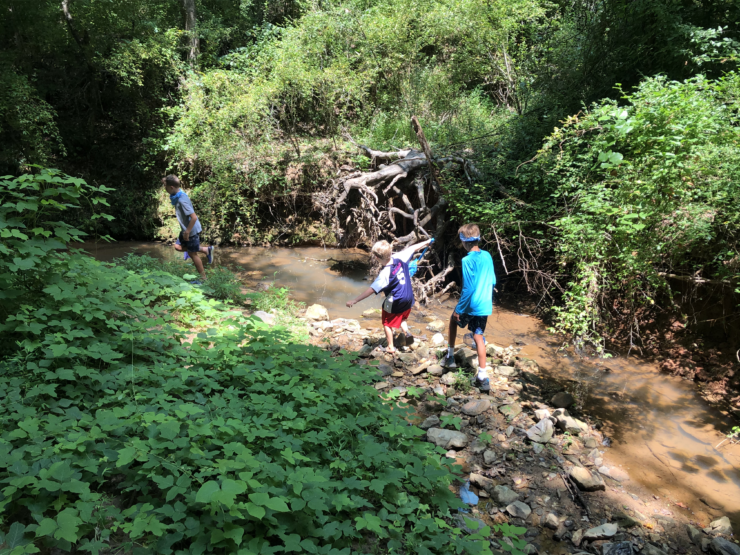
Does your child love adventure and action-packed activities? Are they ready to learn new environmental skills and knowledge they can share with the world?

  • Ages: Rising 5th-6th graders
  • Dates: August 8-12
  • Time: 9AM-4PM
  • Cost: $250 per camper
Register Now

Our Wild Carolina Camp offers campers an exciting and informative experience led by different local non-profit experts every day! In 2021 campers experienced live raptors, archery, plant identification, hiking, and so much more! For 2022, campers can expect to have just as many fun experiences and walk away from camp with a new understanding of their environment.

Activities will be led by:

  • Anne Springs Close Greenway
  • Carolina Raptor Center
  • Catawba Riverkeeper
  • CleanAIRE NC
  • TreesCharlotte

There are limited spots available for each camp session. Book today!

Catawba Riverkeeper offers a limited number of scholarships for this program.


Please contact Education Manager Morgan Long, morgan@catawbariverkeeper.org for more information.
Sign Up Now
By Madison Washington July 23, 2026
Whether you're planning a day at the lake or a weekend on the river, knowing if the water is safe for swimming is an important part of any outdoor adventure. Today, that information is only a few clicks away thanks to Swim Guide, a program that has grown from a local initiative into the world's largest recreational water quality network.
By Madison Washington July 7, 2026
The rocky shoals spider lily (Hymenocallis occidentalis) is a rare aquatic flowering plant characterized by its distinctive crown-like membrane called the "corona." The flower features six spider-leg-like extensions attached to the corona, along with six stamens. Each plant grows to about 3 feet tall and 3 feet wide in direct sunlight, with multiple blooms on a single stalk.
By Madison Washington June 11, 2026
Native to South America, alligator weed has become a widespread invasive species along the East Coast, rapidly spreading through waterways, wetlands, and shorelines. Its aggressive growth disrupts ecosystems by outcompeting native vegetation, reducing habitat quality for wildlife, and creating challenges for recreation, water management, and local communities.