My View From the River

John Searby • May 28, 2024

A Message from Executive Director John Searby.
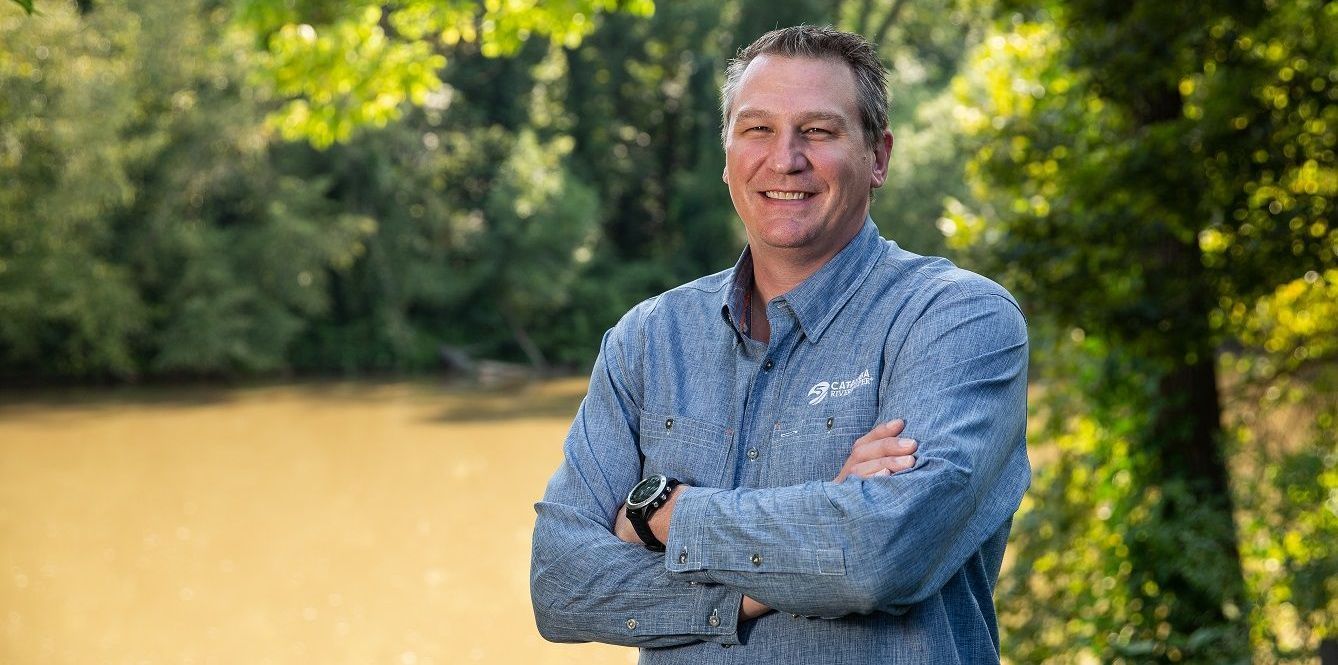
 

The end of spring and beginning of summer is always a time of transition both personally and professionally. With a high school senior graduating this year and closing one chapter of his life while another one opens, I am especially reminded this year that this time of transition is natural and necessary for us to grow and mature as humans. Nature is experiencing a similar transition. Spring blooms are fully open now and adapting to warmer temperatures. Spring showers that have been severe in some parts of our river basin and caused flooding and sedimentation are calming, reminding us that a dry, hot summer could be right around the corner. Our programs are shifting from spring to summer activities, as well. And I am looking forward to some long summer days providing an opportunity for evening paddles on the South Fork where I live.


Summer brings Swim Guide at Catawba Riverkeeper, and Swim Guide brings a flurry of activity to our offices. This year, our summer work will be bolstered by 6 interns generously supported by the Borman Family Foundation. At over 60 sites around the basin, volunteers will grab water quality samples at popular swimming spots and bring them to our labs in McAdenville and Morganton for processing. Our staff and interns will test them for E. coli bacteria, an indicator of whether it is safe to swim or not. Each Friday afternoon we’ll post the results on our social media sites and text message platforms so that you know if you’re favorite spot is safe for the upcoming weekend. Swim Guide is sponsored by Nucor and individuals all across the basin, so I hope you’ll download our app and check it out each week!


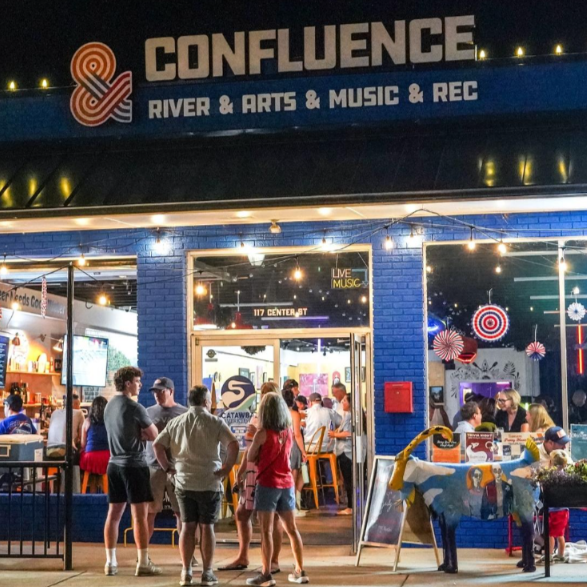
The other big shift for our staff that summer brings is an increase in our recreational programing. The summer weather makes it the perfect time to get out on the water for one of our Eco-Tours or to rent a kayak from us at The Boathouse in McAdenville or Confluence in Cramerton. We’ve also got spots left in our Summer Camps that we are doing in partnership with Daniel Stowe Botanical Garden. If your family is looking for a fun way to give back this summer, I hope you'll consider joining in our "Cleanup Champion Challenge" during the month of June and see how many pounds of trash you can cleanup from our waterways. To learn more, head over to our website to learn more and challenge your neighbors to participate!


The final big area of focus for our team this summer is engaging with and getting you engaged with our elected officials across the river basin. For legislators in both North and South Carolina, their spring sessions are wrapping up and they are heading into their summer break. We are going to take this opportunity to connect you with them when we host our Pig Pickin’ and Politicin' Event on July 13th in McAdenville. You’ll get the chance to hear from your legislators about their conservation priorities and we’ll be sharing our 2025 legislative agenda with you so that you know what we’re going to be working on going into next year’s legislative session. Please join us and several other conservation non-profits in the region for this fun event.


As you make your transition from spring to summer, I hope you will have the opportunity to get outside on or near the water. If the summer provides you an opportunity to spend time on the water, I hope you’ll also consider supporting our work at Catawba Riverkeeper. As the only independent, non-profit, on-the-water advocate for the nearly 4 million people who live in our river basin, we rely on your support to ensure that we can continue our work in ALL SEASONS. I hope your summer view of the river is great!


John Searby

CEO/Executive Director
By Madison Washington June 11, 2026
Native to South America, alligator weed has become a widespread invasive species along the East Coast, rapidly spreading through waterways, wetlands, and shorelines. Its aggressive growth disrupts ecosystems by outcompeting native vegetation, reducing habitat quality for wildlife, and creating challenges for recreation, water management, and local communities.
May 27, 2026
On the evening of May 26th, 2026, Catawba Riverkeeper Brandon Jones attended the Charlotte City Council Public Meeting. At this meeting, he shared our organization's comments on the proposed 150-day data center moratorium. These comments can be read below. "The Catawba Riverkeeper Foundation is a member-funded environmental nonprofit that educates, advocates, and protects the Catawba-Wateree River and all its tributaries. Our organization represents over 8,000 active members and nearly 3 million citizens who rely on the watershed for drinking water, recreation, and electricity. We are concerned that the growth of local data centers may overallocate our limited resources and decrease our ability to respond to drought. We appreciate the opportunity to comment on the proposed 150-day moratorium and strongly support the staff's recommendation to adopt it. Additionally, if adopted, we recommend that the study consider a tiered approach, transparency, and net water consumption. For our water resources, the most important data center metric is net water use. A 400 MW facility—like the one now under construction on Moores Chapel Road—may actually evaporate more water indirectly than directly for cooling. The nearby Catawba Nuclear Station uses approximately 30 MGD to produce 2,300 MW or 5.2 MGD from Lake Wylie per 400 MW. However, without transparency and reporting, it is difficult to know the current impact of these data centers and almost impossible to accurately forecast the industry's future. The most accurate forecast of our region's water resources is the Catawba Wateree Water Management Group’s 2026 Integrated Water Resources Plan. Unfortunately, this plan explicitly does not include increases in water use from data centers due to limited reliable information. It is absolutely critical that our community has accurate information. We need full transparency on the planned electrical and water use of large data centers. A ban of nondisclosure agreements between elected officials and developers could help alleviate suspicion and allow communities to make informed decisions about tradeoffs. The potential direct and indirect impact s of a project should be modeled by the CWWMG to determine its actual impacts. Those impacts could be mitigated by funding water conservation projects, as some data centers have already proposed. Once operating, we need reporting on the actual water and energy use. The cumulative impact must be understood to ensure capacity and resiliency. Water withdrawers from the Catawba utilize a Low Inflow Protocol during drought to help stretch the available supply. Large data centers need conservation plans that comply with this plan. It is hypocritical to ask residents and some businesses to restrict water use while permitting facilities that cannot or will not do the same. Most years, there is plenty of water for drinking, irrigation, ecological flows, and industry in the Catawba. However, droughts such as 2001, 2007, and today expose our vulnerabilities. These droughts are more likely in a warming climate, and we are becoming less resilient with a growing population and industrial demands. Sustainable water management requires careful planning and robust coordination between users, including data centers."
By Susannah Bryant March 19, 2026
Greg Nance has had his boots on the ground since the storm subsided.