Water Wins in Chester County, SC

June 23, 2023

At zoning meeting, Catawba Riverkeeper secured 100 foot vegetated buffers along 2 miles of stream!
Catawba Riverkeeper is your watchdog for our waterways! We pay attention to our whole surroundings and how water quality may be affected by activities and land uses, either positively or negatively.


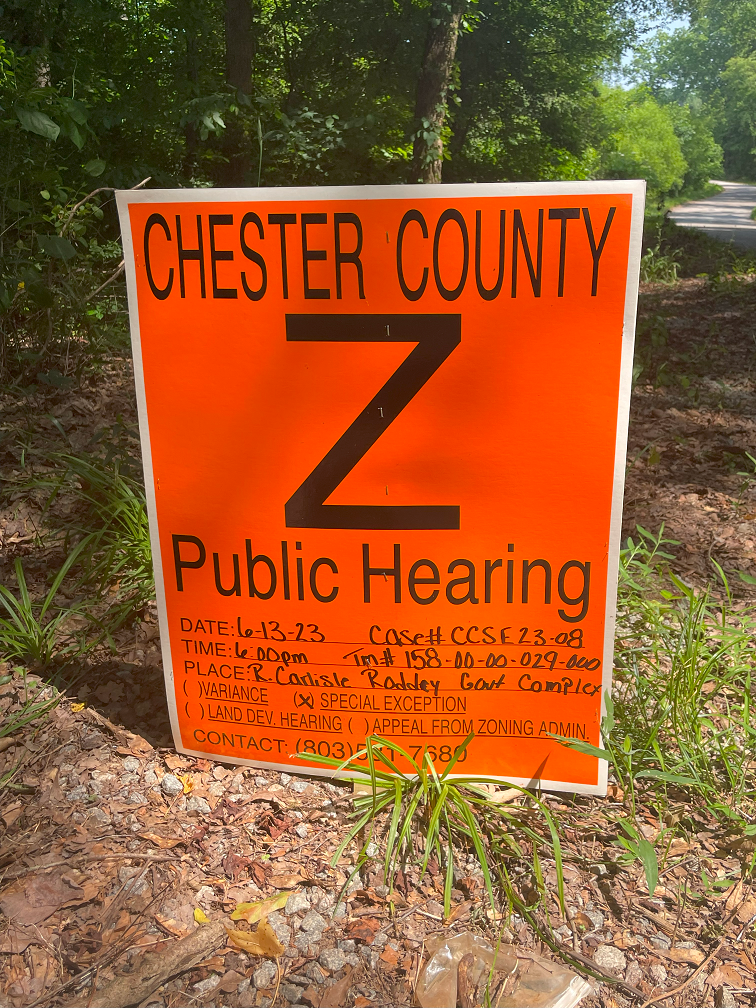
In June, Southern Basin Watershed Manager Rachael Rosenstein and Policy Manager Ryan Carter were driving around the Fishing Creek area in South Carolina and came across a lawn sign advertising a Chester County Zoning public hearing meeting.  


With less than a week before the meeting was to be held, Rachael got to work researching the properties that were applying for the special exception permits, namely what activities were currently happening and being proposed on the parcels, where they were located, and if any streams ran through them. She found out that two of the properties are connected in Fort Lawn, SC and are home to part of Dairy Branch and an unnamed tributary that flowed into it currently being used for logging, and the third is in Chester, appears to be forested, with Bull Skin Creek running through. The proposed activity was to turn these into solar fields. 


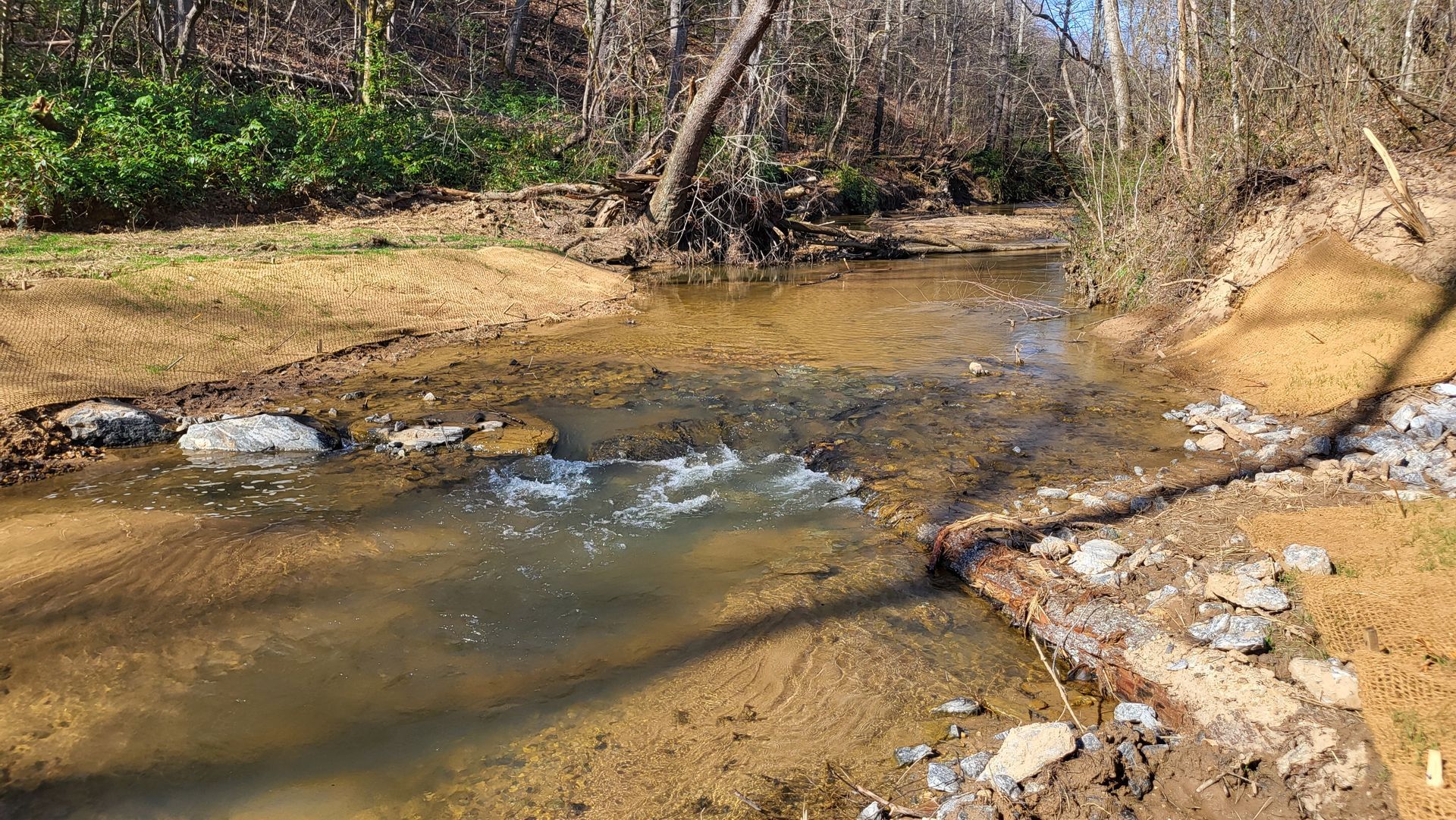
You may be asking, “What can Catawba Riverkeeper propose at this meeting to help water quality?” The answer: buffers! Vegetated buffers along streams are vital to ensuring the health of water. The plants that exist in those areas help slow down rain as it falls and provide a natural filter to stormwater runoff that can contain pollutants, bacteria, and sediment that all reduce the quality of our water. More specifically, 100-foot buffers are the most effective and economical stormwater controls to ensure that water heath. 


Geared up with the information she gained from her research and a short, prepared speech about the benefits of buffers to present, Rachael went to Chester to attend the public hearing. The solar company gave their presentation to the Zoning Board, and then Rachael was able to speak about buffers and request that the company maintain 100-foot vegetated buffers on all streams within the properties. With no resistance, the company and Board agreed! All in all, 100 feet on each side of the water for over 2 miles of streams will be protected. This just proves that with a little bit of work and a willing developer, we were able to create a big impact for our waters. 


What can you do? Well, we cannot be everywhere all the time nor always checking the websites to see when these types of meetings are being held. If you ever come across this type of lawn sign in our basins, usually with a big “Z” on them, let us know and we can look into it, and/or attend the meetings yourself to advocate for clean water! 
December 17, 2025
Catawba Riverkeeper is pleased to announce that Dr. Mo Drinkard has been hired as their new Executive Director. A standout among over 100 applicants, Mo was offered the position by the Catawba Riverkeeper Board of Directors search committee on Thursday, November 20th, and she assumed her role as leader of the organization on Monday, December 1st, 2025. Catawba Riverkeeper Brandon Jones, who participated on the search committee, shared that “Mo’s education, experience, and passion are directly aligned with the organization’s mission and needs. We are excited for her perspective and leadership in continuing the critical work of protecting our waters.” Mo is a mission-driven non-profit leader, professor, and scholar with a passion for building strong organizations, nurturing future leaders, and tackling big challenges in conservation, equity, and education. With over 20 years of experience spanning academia (Kent State University, Brevard College, Miami University), community partnerships, and environmental science, she's worn many hats: executive director, grant writer, program architect, DEIB strategist, faculty and student mentor, and not often enough, field biologist in muddy boots. Mo's work lives at the intersection of applied research and social change. She specializes in transforming great ideas into funded, functional, and impactful programs, whether that’s designing experiential learning curricula, guiding strategic organizational turnarounds, or helping community-based groups access the resources they need to thrive. From leading national workforce development initiatives to restoring urban watersheds (Doan Brook Watershed Partnership) and mentoring the next generation of environmental scientists, Mo brings an entrepreneurial spirit and deep subject matter expertise in biology, ecology, sustainability, and inclusion. Mo believes that science is for everyone, and that real change happens when we build spaces where all voices can lead. “I am honored and excited to offer leadership for the next chapter of Catawba Riverkeeper’s work. I believe deeply in the mission and am fully invested in the health and future of this watershed. I look forward to getting to work supporting the waterways, communities, and people that make up this expansive and impactful basin,” Dr. Drinkard said. Catawba Riverkeeper, currently one of the ten largest riverkeeper organizations in the United States, boasts over 8,000 members across the 26 counties of North and South Carolina where the waters of the Catawba flow. As the fifth Executive Director of the organization, Mo will bring new and innovative ways to advance the work of her predecessors and the mission of the organization in this new chapter of Catawba Riverkeeper’s leadership. Mo will be supported by 11 full-time staff and 22 volunteer board members to preserve, protect, and restore the Catawba River so that it sustains plentiful, clean water for generations to come.
October 13, 2025
Thank you to our 2025 Catawba Riversweep volunteers!
October 13, 2025
John Searby Steps Down as Executive Director After 6 Years of Leadership