Community Power in Action: Southern Basin Clean-Up Efforts

May 31, 2023

Back-to-back weekend cleanups prove there is power in community.
Community partnerships and collective action can create a powerful force for positive change! A few weekends ago, the Southern Basin of the Catawba River witnessed two remarkable clean-up events that brought together dedicated volunteers from various backgrounds. From tire removals to a river cleanup, these efforts showcased the strength of collaboration and a commitment to environmental stewardship. Let's delve into the details of these inspiring initiatives and the impact they had on the community.


Saturday Clean-Up: Tackling Legacy Trash

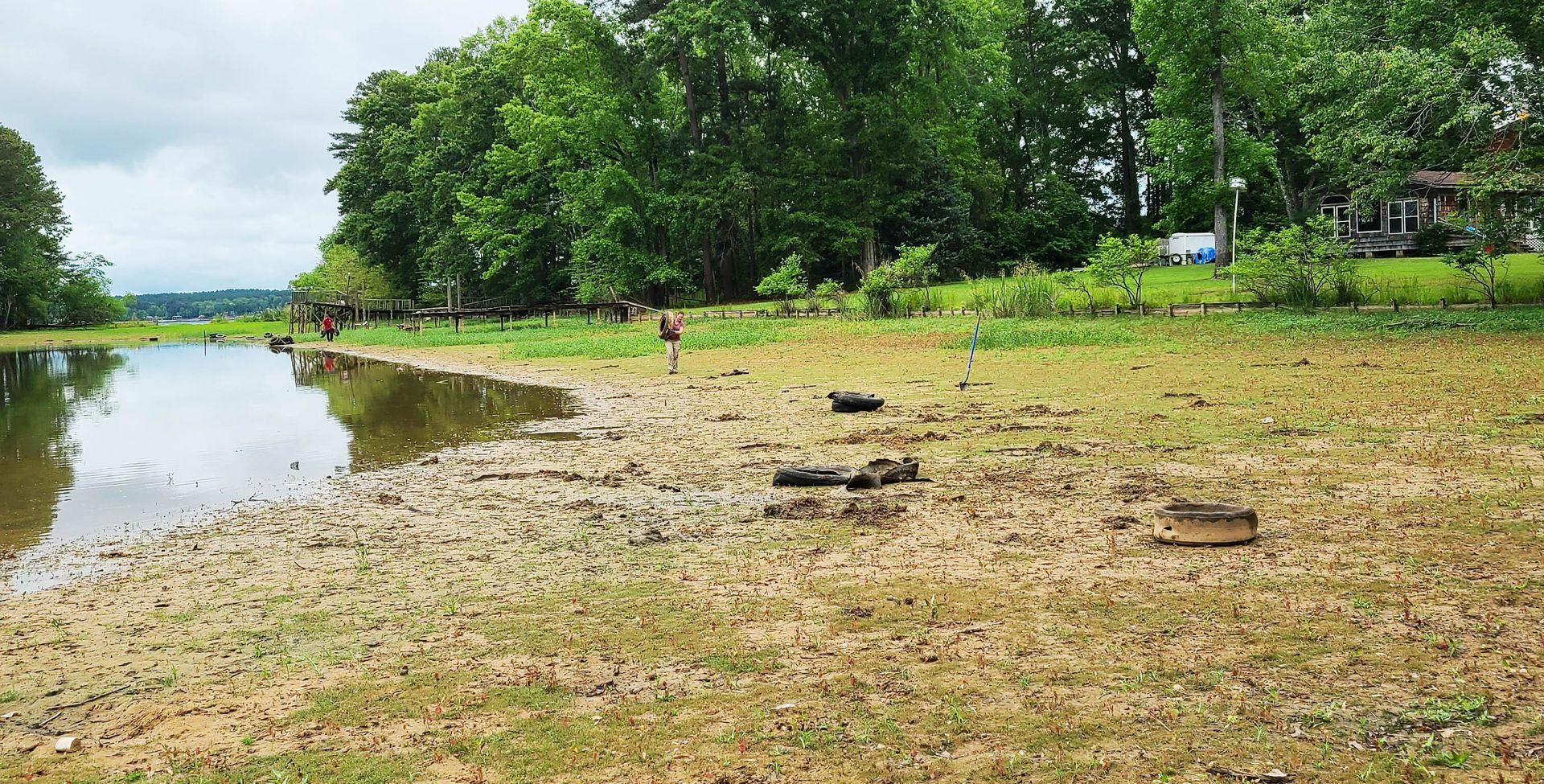
At a cove off of Bird Island Road in the Lake Wateree area, a tactical clean-up operation took place to address the longstanding issue of discarded tires. These tires, likely remnants from the 70s or 80s, were initially intended as fish habitats or catfish traps. With previous attempts to remove them deemed unfeasible due to water levels, the current low water levels, caused by current Lake Wateree Dam repairs and updates, presented a unique opportunity for a more thorough clean-up.


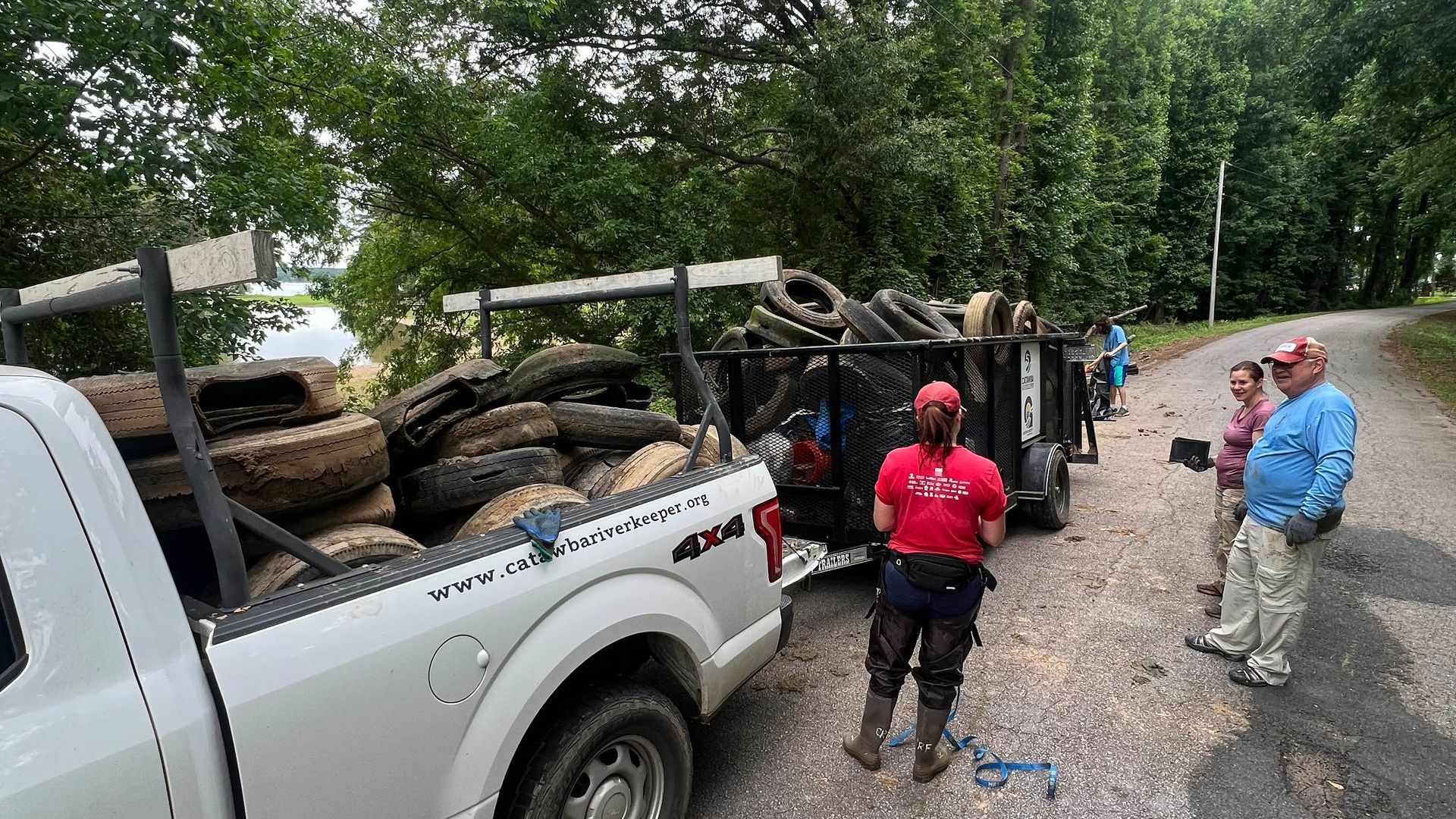
A team of seven dedicated volunteers, including six members of the newly formed Tactical Tire Brigade, along with two staff members, came together to address the issue. Despite the challenging task, the group succeeded in removing a staggering total of 303 tires, weighing in at 9,605 lbs. Additionally, they collected 675 lbs of additional trash, resulting in a remarkable total of 10,280 pounds of waste cleared from the cove. This clean-up effort was crucial, as water levels are expected to return to normal next year after the dam repairs and updates are completed.

Sunday Clean-Up: Unity and Cultural Appreciation

The following day, a diverse group assembled for a clean-up initiative led by the Catawba Nation and Synchrony, as part of Synchrony's Diversity Networks+ program. Remote workers from different locations, some traveling up to two hours, came together to participate in this impactful event. This gathering allowed team members to meet one another and unite in their dedication to environmental conservation.


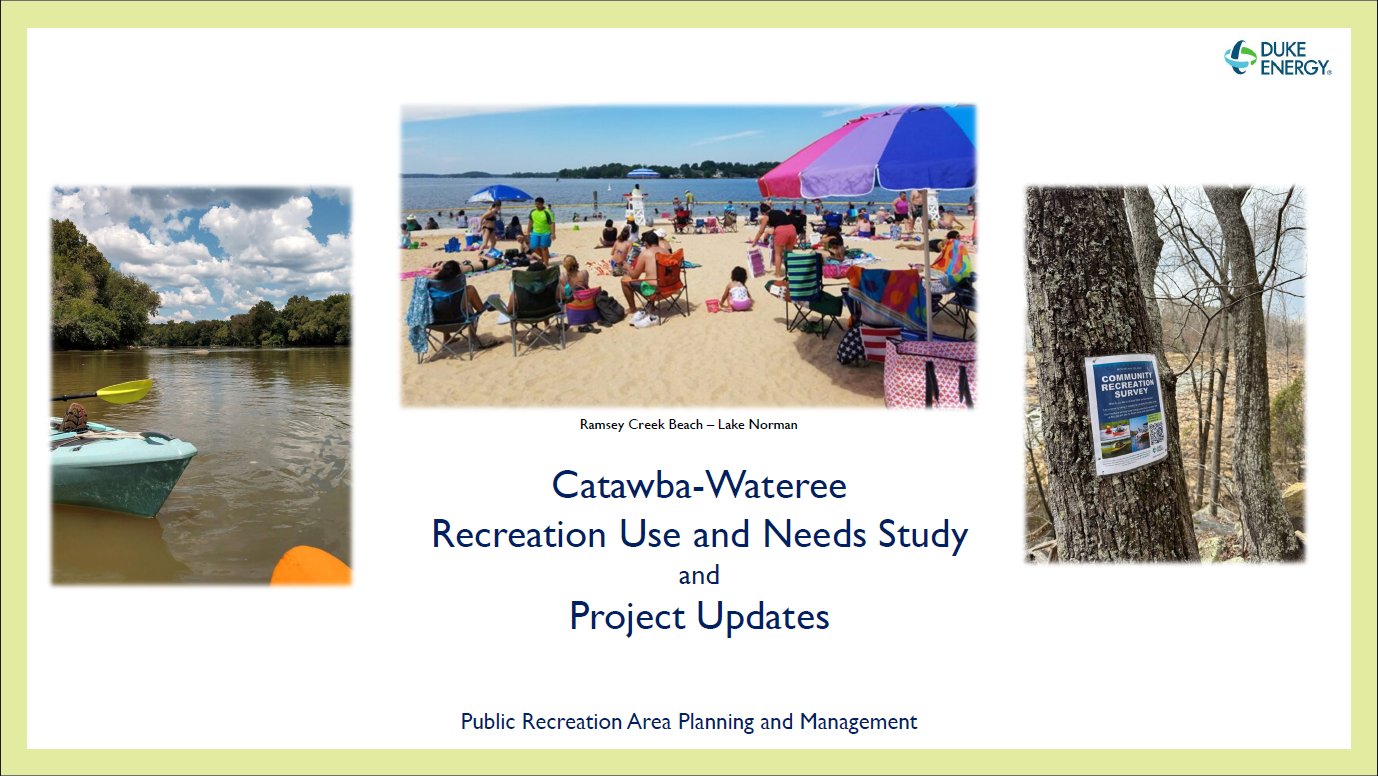
The clean-up began with a 7-mile paddle on the water, starting at River Park in Rock Hill and concluding at the Catawba Nation boat launch. As they paddled, participants discovered a large collection of deflated tubes washed up on Goat Island in the middle of the river. With a later start time, but happening concurrently, the land portion of the clean-up took place along the Catawba Greenway, further enhancing the effort's scope.


After the clean-up, members of the Catawba Nation came together to perform a traditional song, highlighting the cultural significance of the river and the importance of preserving tribal lands. The event fostered a sense of unity, with people from diverse backgrounds joining forces for a common purpose. First-time kayakers who had participated in the 7-mile trash paddle left the water inspired, ready to share their stories and encourage others to engage in similar projects.

These Catawba River clean-up initiatives in our Southern Basin exemplify the power of community collaboration and the importance of environmental responsibility. Through the tireless efforts of volunteers, legacy trash was removed, and a sense of unity was fostered. By coming together and dedicating their time and energy to safeguarding the environment, participants showcased their commitment to creating a better world. Let us be inspired by these remarkable endeavors and continue to take action in preserving our natural treasures.


*To explore the rich heritage and traditions of the Catawba Nation, we invite you to visit the Catawba Nation Cultural Center. Here, you can delve into the fascinating history, vibrant art, and compelling stories of the Catawba Nation. Learn about their deep connection to the river and gain a deeper appreciation for the land they cherish.
May 27, 2026
On the evening of May 26th, 2026, Catawba Riverkeeper Brandon Jones attended the Charlotte City Council Public Meeting. At this meeting, he shared our organization's comments on the proposed 150-day data center moratorium. These comments can be read below. "The Catawba Riverkeeper Foundation is a member-funded environmental nonprofit that educates, advocates, and protects the Catawba-Wateree River and all its tributaries. Our organization represents over 8,000 active members and nearly 3 million citizens who rely on the watershed for drinking water, recreation, and electricity. We are concerned that the growth of local data centers may overallocate our limited resources and decrease our ability to respond to drought. We appreciate the opportunity to comment on the proposed 150-day moratorium and strongly support the staff's recommendation to adopt it. Additionally, if adopted, we recommend that the study consider a tiered approach, transparency, and net water consumption. For our water resources, the most important data center metric is net water use. A 400 MW facility—like the one now under construction on Moores Chapel Road—may actually evaporate more water indirectly than directly for cooling. The nearby Catawba Nuclear Station uses approximately 30 MGD to produce 2,300 MW or 5.2 MGD from Lake Wylie per 400 MW. However, without transparency and reporting, it is difficult to know the current impact of these data centers and almost impossible to accurately forecast the industry's future. The most accurate forecast of our region's water resources is the Catawba Wateree Water Management Group’s 2026 Integrated Water Resources Plan. Unfortunately, this plan explicitly does not include increases in water use from data centers due to limited reliable information. It is absolutely critical that our community has accurate information. We need full transparency on the planned electrical and water use of large data centers. A ban of nondisclosure agreements between elected officials and developers could help alleviate suspicion and allow communities to make informed decisions about tradeoffs. The potential direct and indirect impact s of a project should be modeled by the CWWMG to determine its actual impacts. Those impacts could be mitigated by funding water conservation projects, as some data centers have already proposed. Once operating, we need reporting on the actual water and energy use. The cumulative impact must be understood to ensure capacity and resiliency. Water withdrawers from the Catawba utilize a Low Inflow Protocol during drought to help stretch the available supply. Large data centers need conservation plans that comply with this plan. It is hypocritical to ask residents and some businesses to restrict water use while permitting facilities that cannot or will not do the same. Most years, there is plenty of water for drinking, irrigation, ecological flows, and industry in the Catawba. However, droughts such as 2001, 2007, and today expose our vulnerabilities. These droughts are more likely in a warming climate, and we are becoming less resilient with a growing population and industrial demands. Sustainable water management requires careful planning and robust coordination between users, including data centers."
By Susannah Bryant March 19, 2026
Greg Nance has had his boots on the ground since the storm subsided.
February 19, 2026
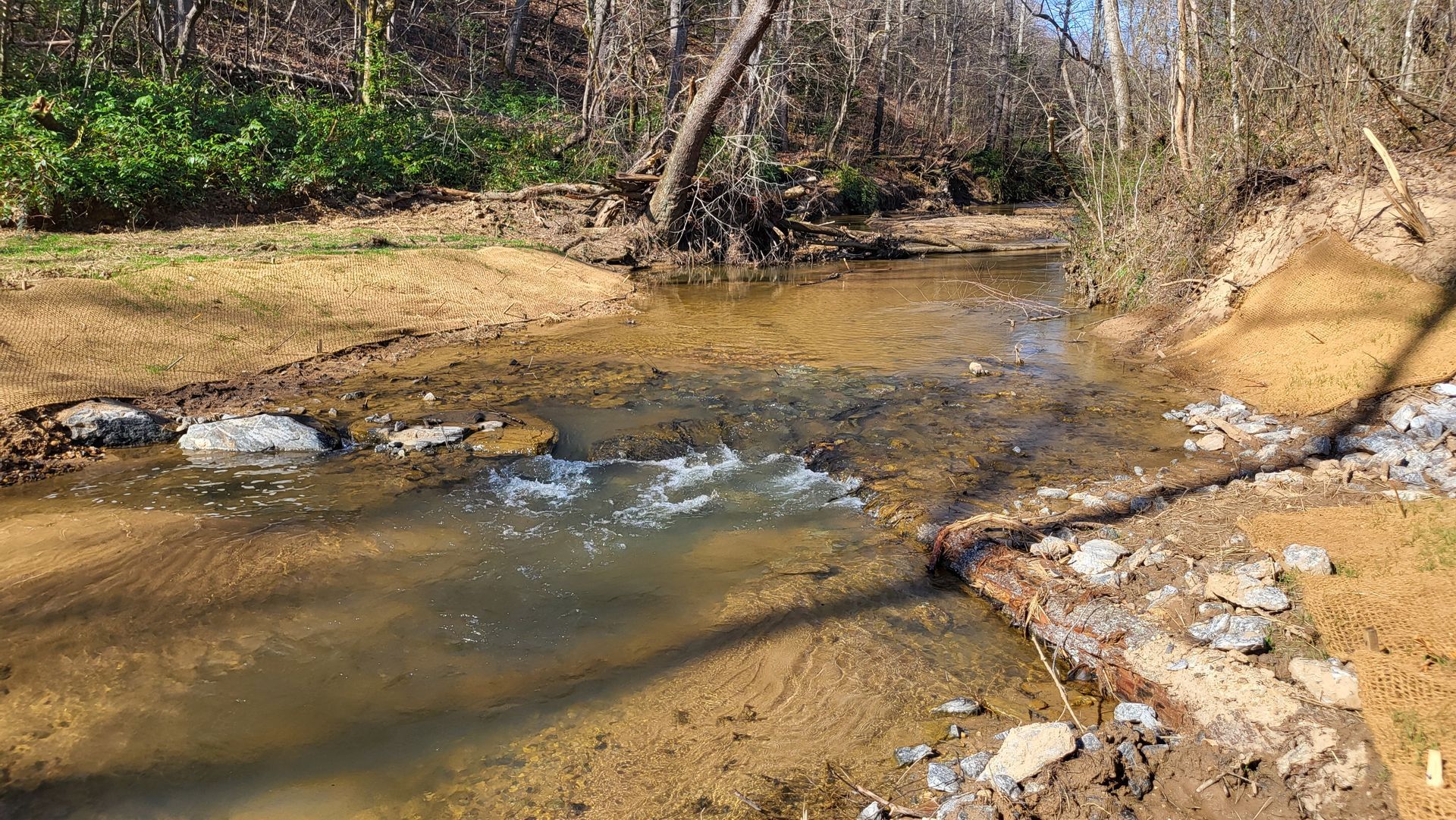
Live staking is a streambank restoration approach that reduces erosion and sediment pollution. This is the practice of planting dormant branch cuttings of native plants along streambanks (also known as riparian zones) to help hold soil in place along the waters' edge. Live stakes are planted along with native plant seeds and shrubs to create riparian buffers, which help prevent sediment from becoming a stream pollutant by securing the soil in place with good root systems. Riparian buffers also filter out other pollutants, such as chemicals, oils, fertilizers, and trash, before they enter our waterways.