Highlights from 2024
Mo Drinkard • December 20, 2024
Another busy year is in the books!
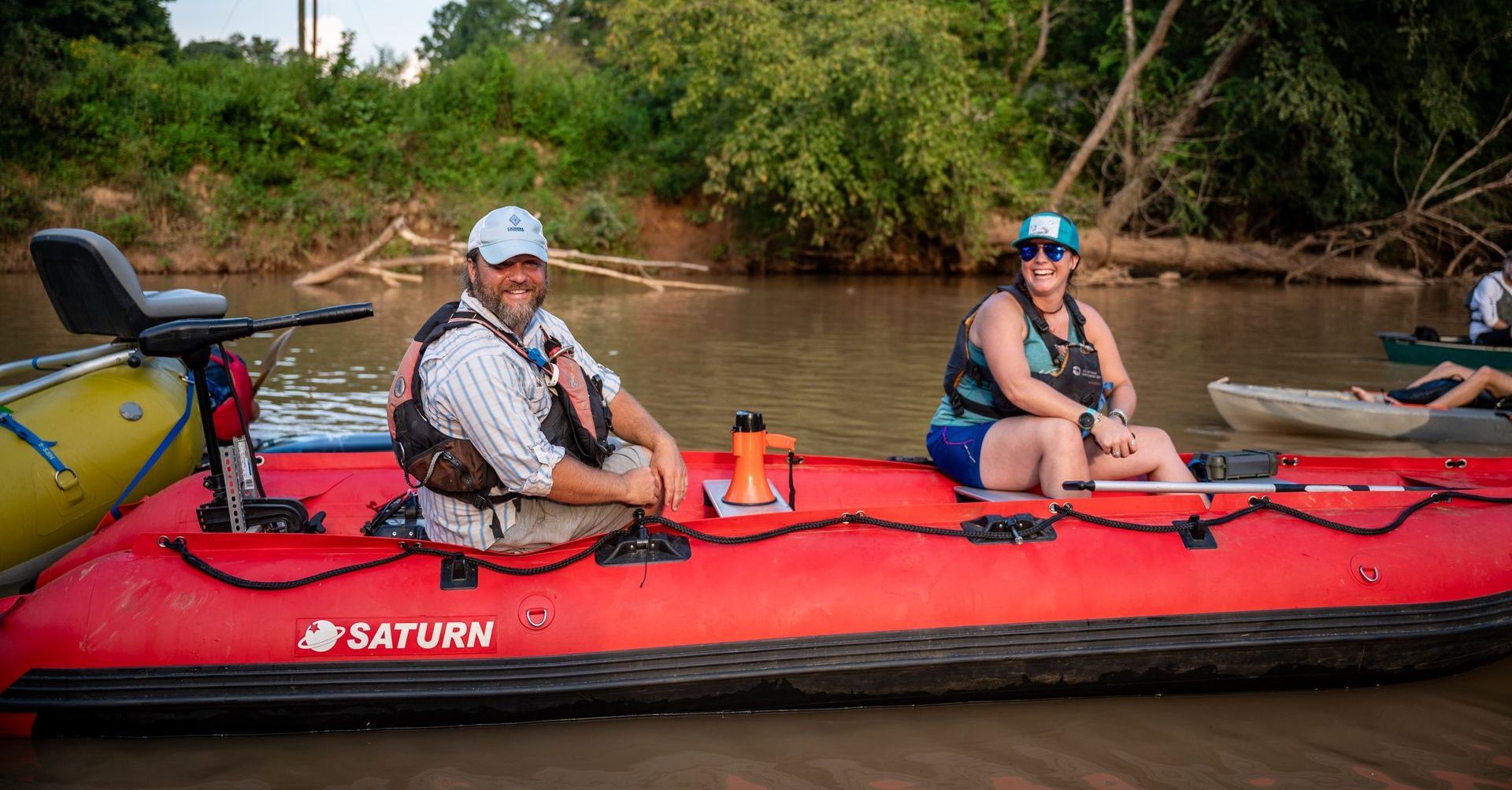
Here's a snapshot of what Catawba Riverkeeper has been working on throughout 2024! We're grateful to the many members, volunteers, and partners who have made our work of preserving, protecting, and restoring the Catawba-Wateree River Basin possible this year.
Protecting our river
- Collected water samples from 60 popular swimming sites weekly throughout the summer. 3,472 water sample tests were completed and Swim Guide results were viewed 166,586 times!
- Hosted 3 community science volunteer events to plant 2,700 live stake trees (+ many more seeds) to help stabilize 900 ft. of Lake Wateree's shoreline.
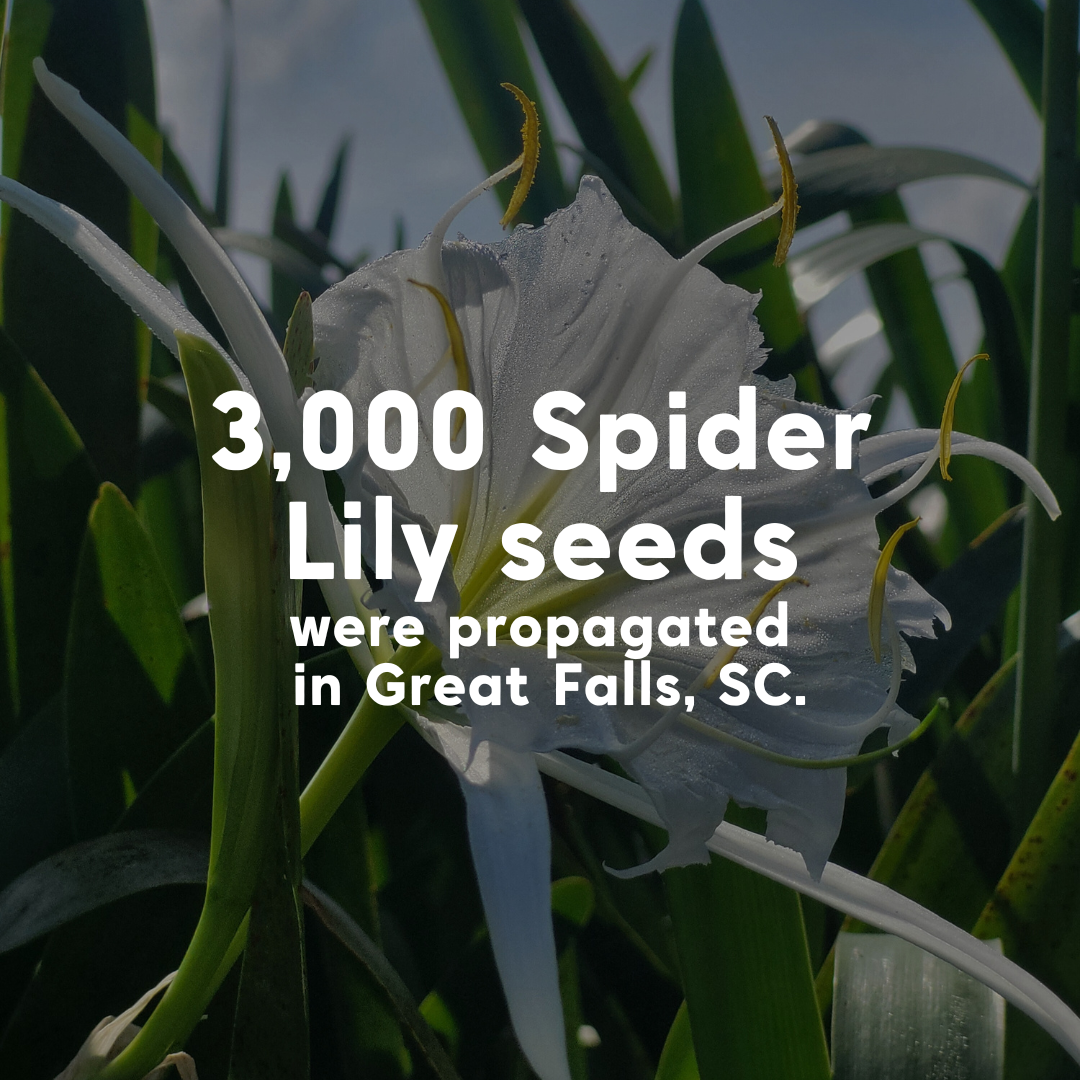
- Propagated 3,000 Rocky Shoals Spider Lily seeds in the Great Falls Long Bypass Reach.
- Made progress at our Outdoor Classroom property in Fort Lawn, SC, including a prescribed burn, clearing the building of debris, installing bat boxed, and securing funding for bathrooms.
- Partnered with conservation nonprofits in the Northern Basin to propose a Conservation Site Plan for the Great Meadows Megasite in Burke County.
- Secured funding for restoration projects along Canoe Creek and for the removal of the Old Fort Finishing Dam.
- Submitted official comments suggesting sustainable solutions for Charlotte Water's Interbasin Transfer Request.
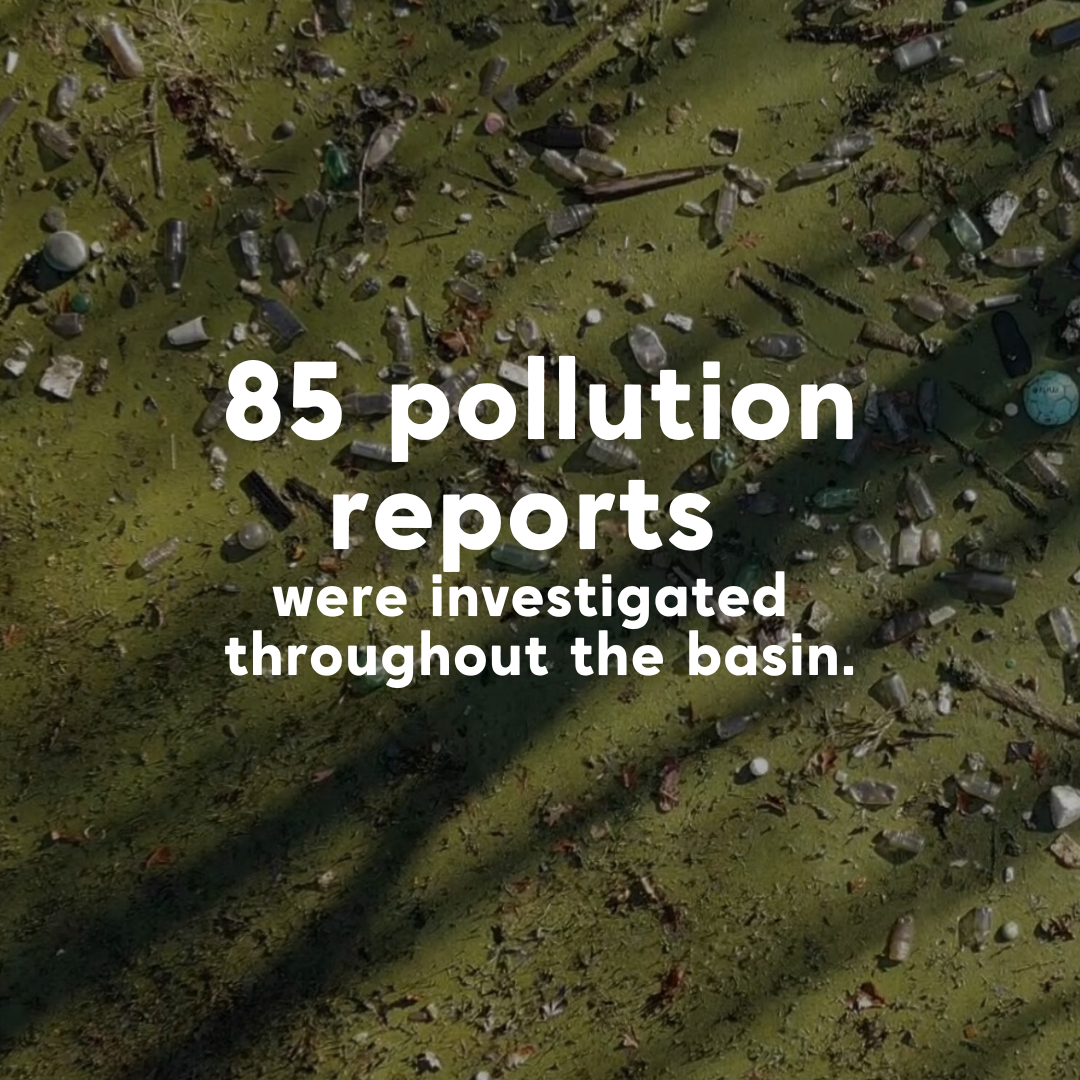
- Investigated 85 pollution reports throughout the Catawba-Wateree River Basin.
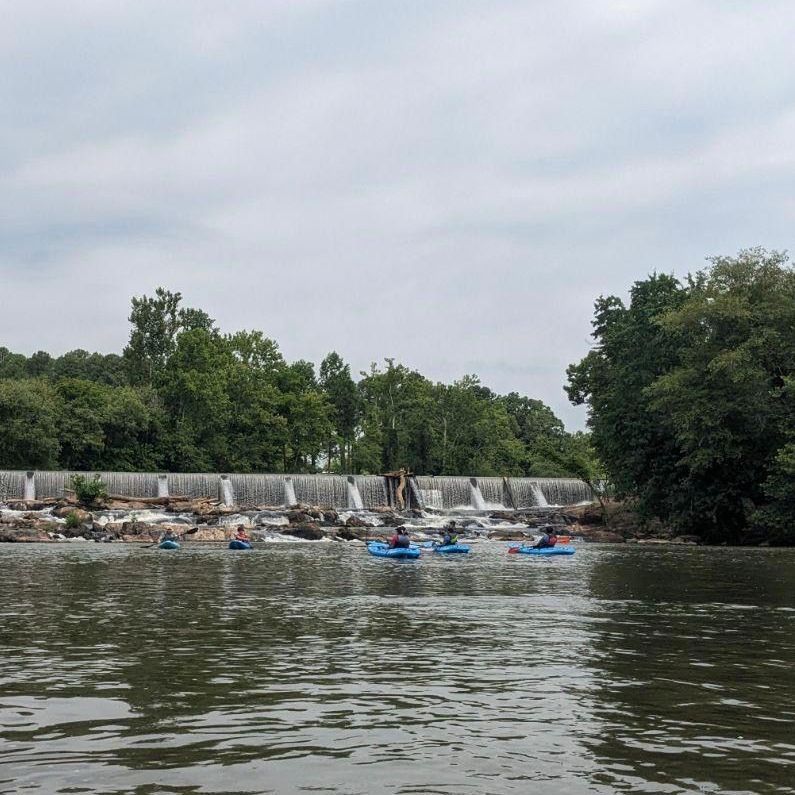
- Paddled more than 1,000 miles to investigate pollution reports and complete surveys of sections of the basin.
- Published the State of the River Report and the South Fork Catawba Sub-Basin Protection and Restoration Plan.
- Welcomed Jenn Dunn as our new South Fork Watershed Manager to carry out projects proposed in the South Fork Protection & Restoration Plan.
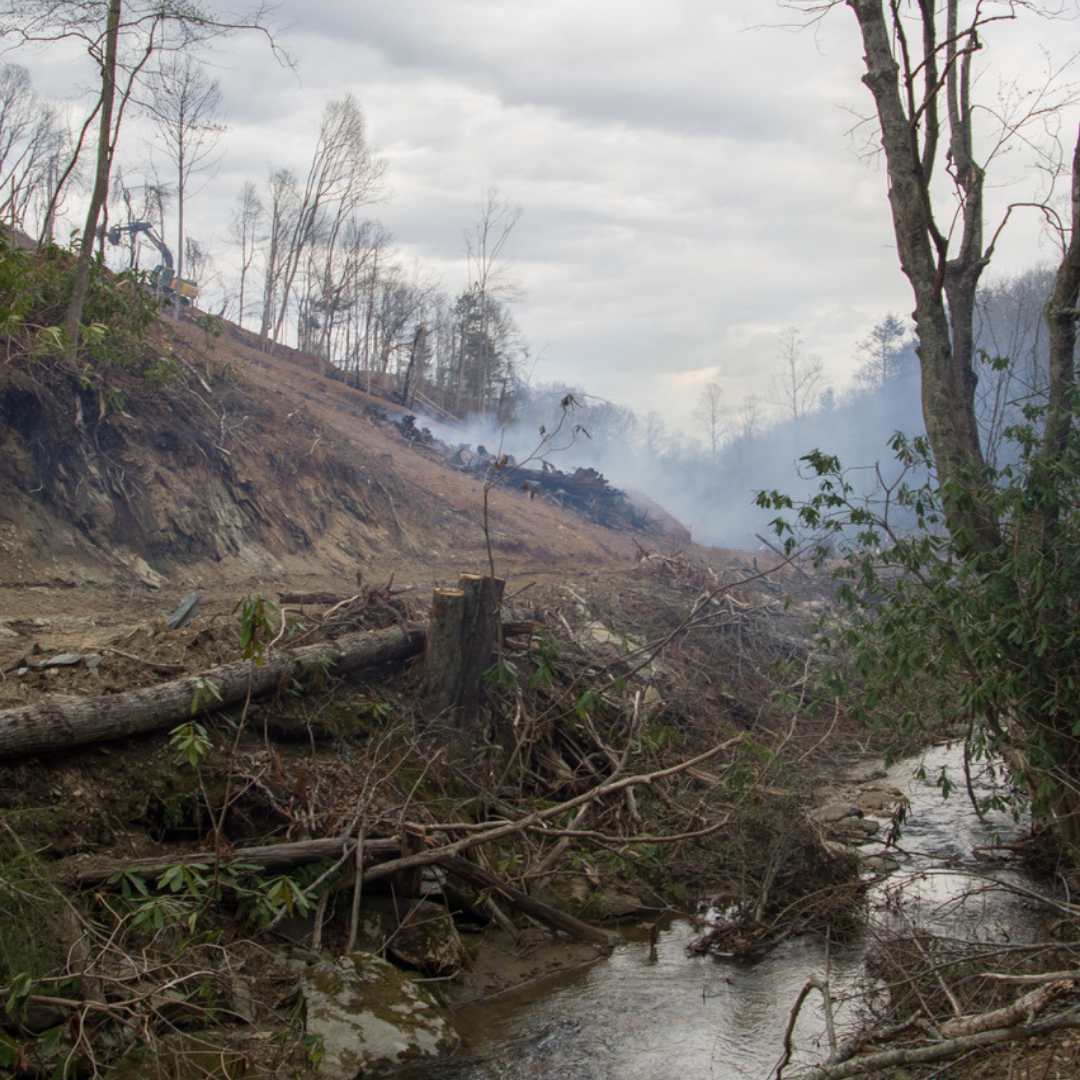
- Paddled 101 miles on scouting trip in the months after Hurricane Helene touched down in the Carolinas to gather full scope of the hurricane's impact on the Catawba-Wateree River Basin.
- Worked with a variety of partners to create mock wellheads for County Health Departments in Western NC to demonstrate to people impacted by Hurricane Helene how to disinfect and test their private wells.

Advocating for our river
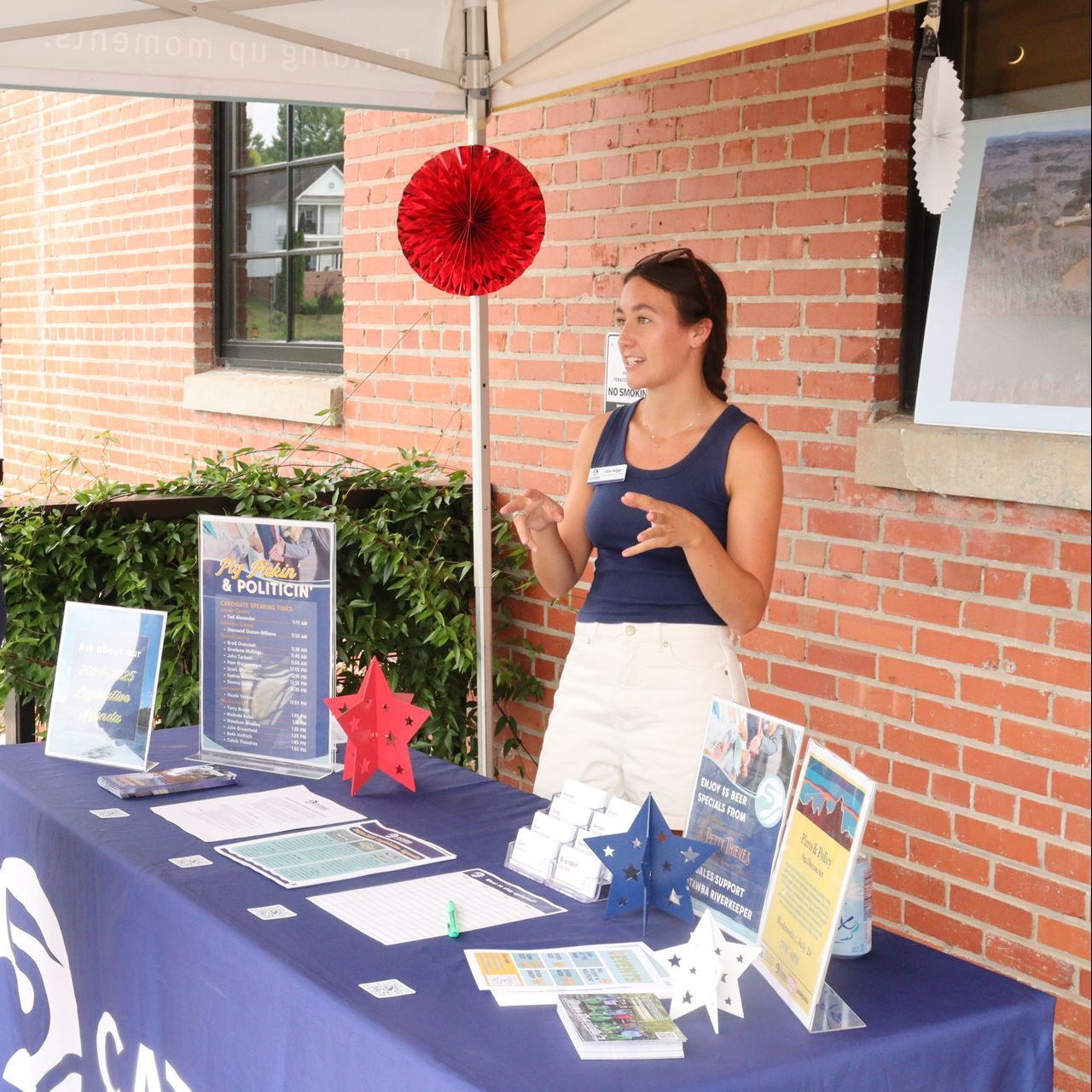
- Welcomed Ellie Riggs to the Policy Team as the Field Organizer and Analyst.
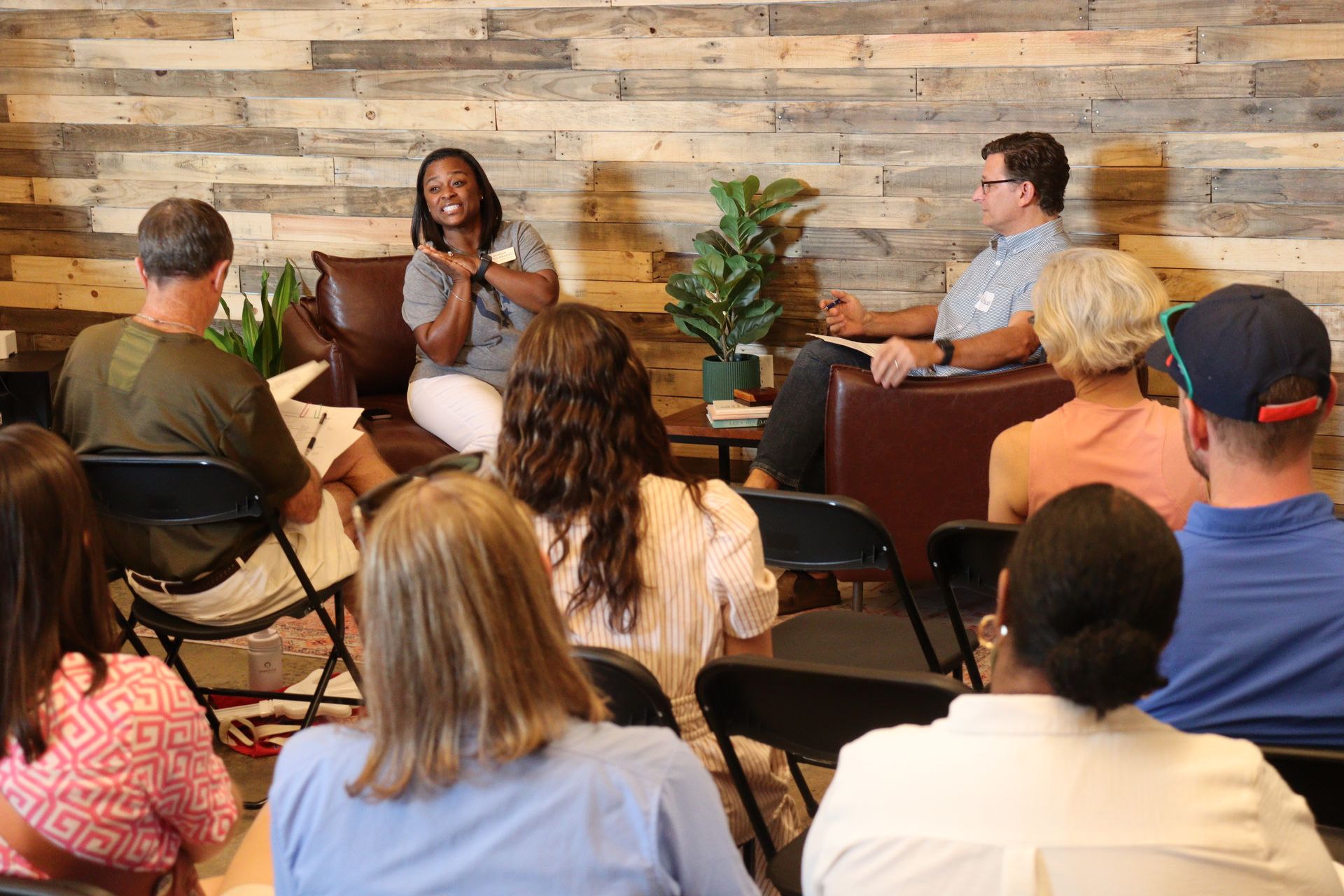
- Partnered with local conservation nonprofits to host Pig Pickin' & Politicin', an event in which constituents heard from 17 local candidates for office about their plans for conservation.
- Saw conservation success with the
SC Recreational Trail Easement bill (H.3121) and Chester County's new zoning ordinance requiring
100-foot vegetative buffers on industrial sites.
Engaging with our community and the river
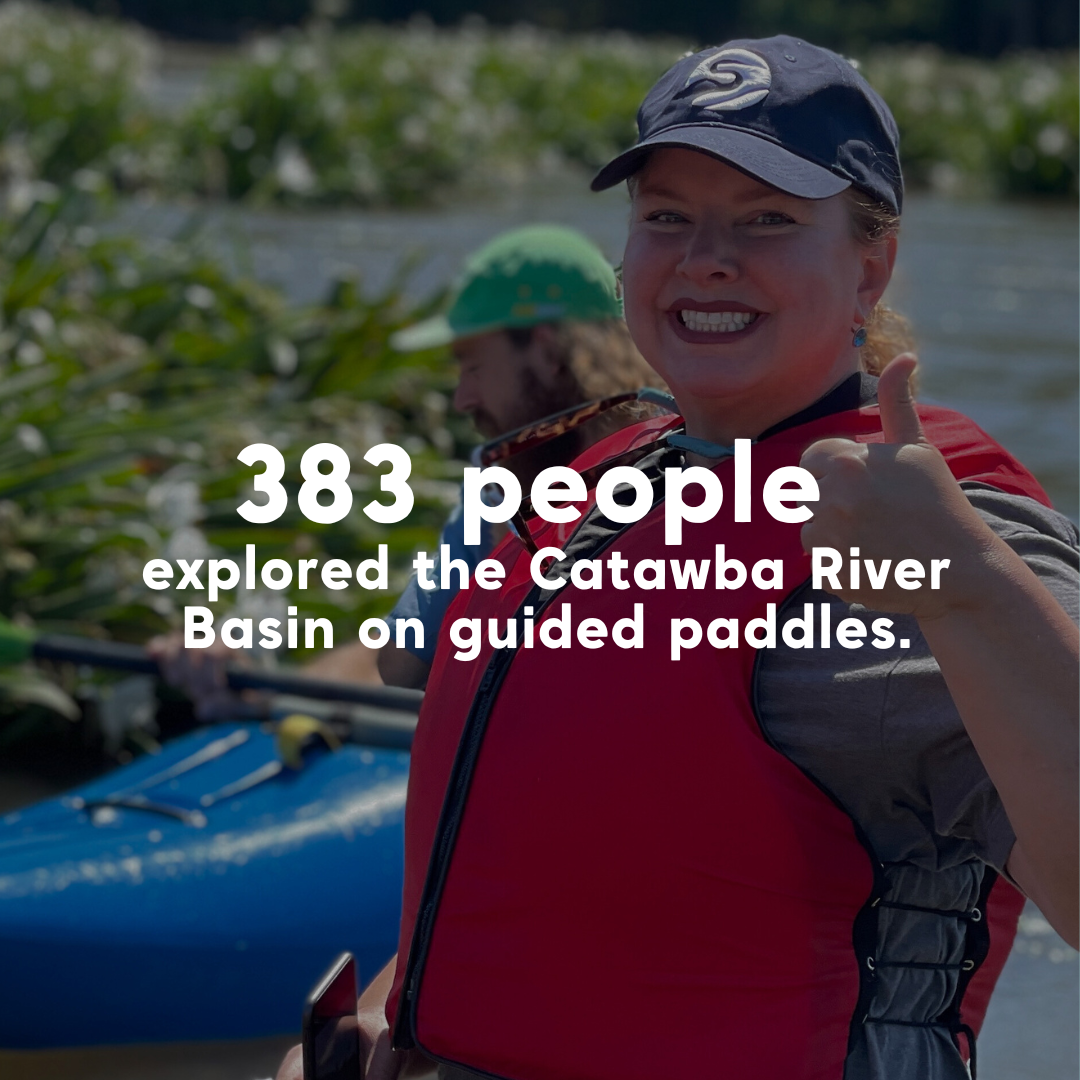
- Hosted numerous guided paddling experiences that gave 383 people the opportunity to confidently explore Catawba-Wateree waterways.
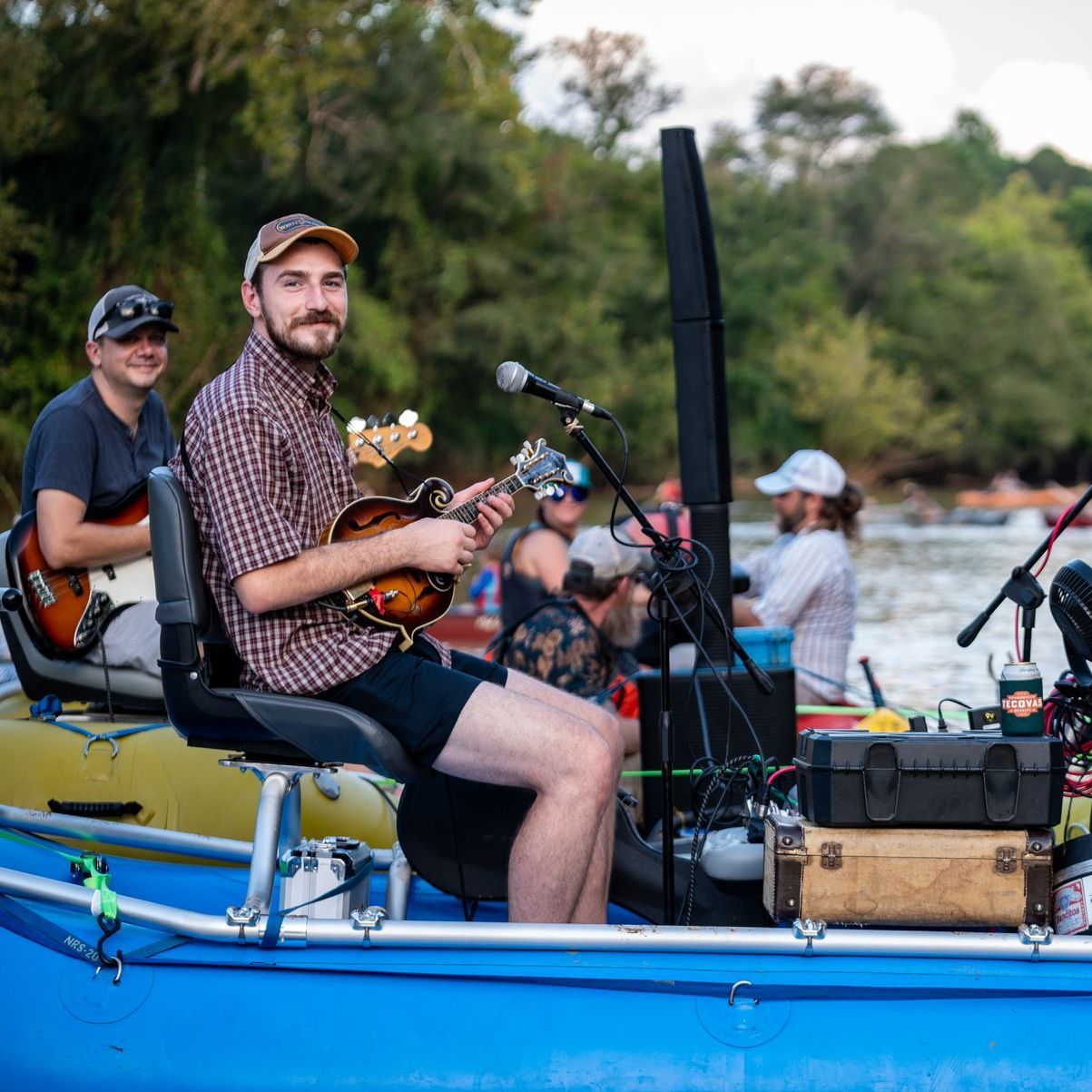
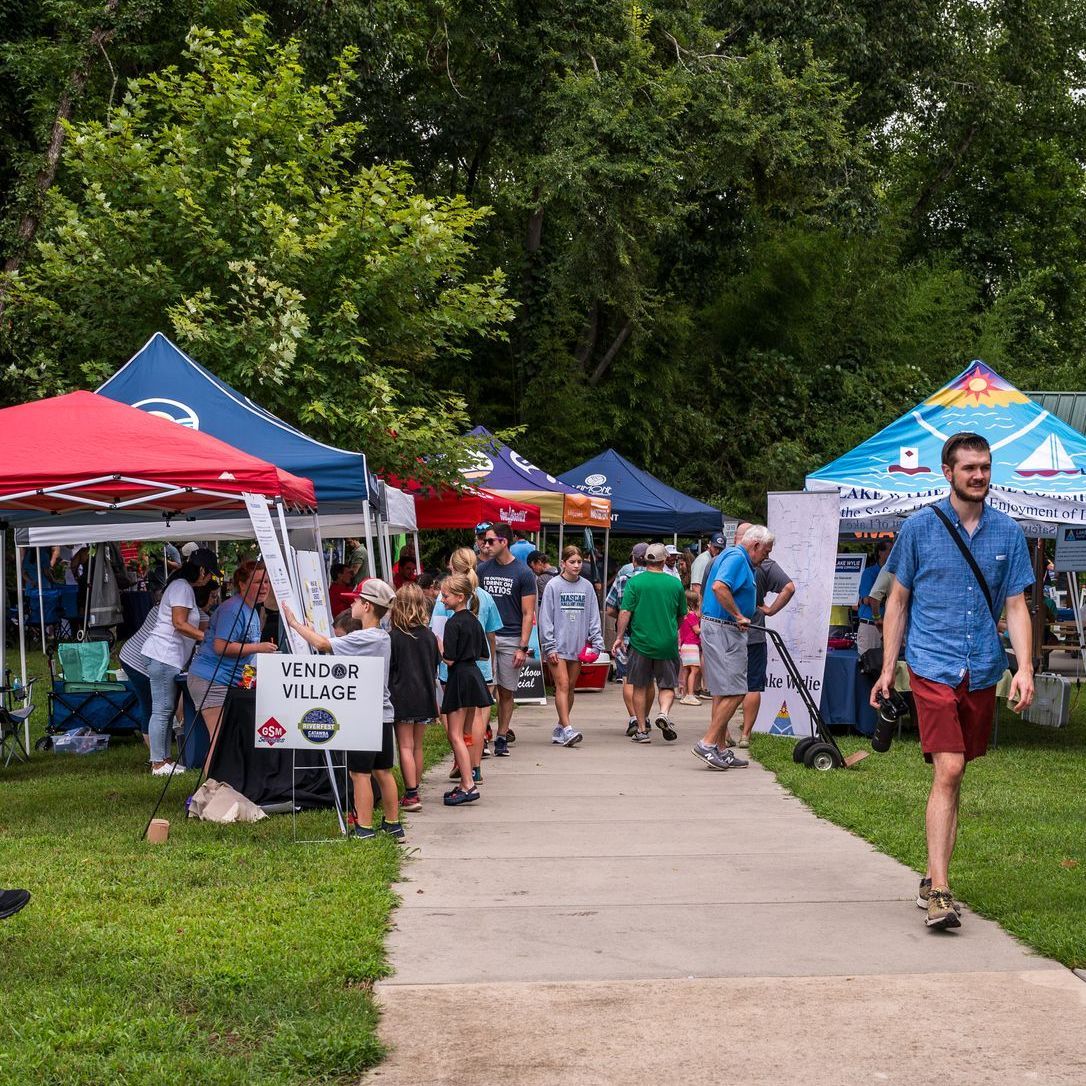
- Two major Catawba Riverkeeper engagement events, RiverFest and Fork Fest, introduced hundreds of community members to our work while celebrating the river with live music, vendor markets, kids' activities, art shows, and a floating concert.
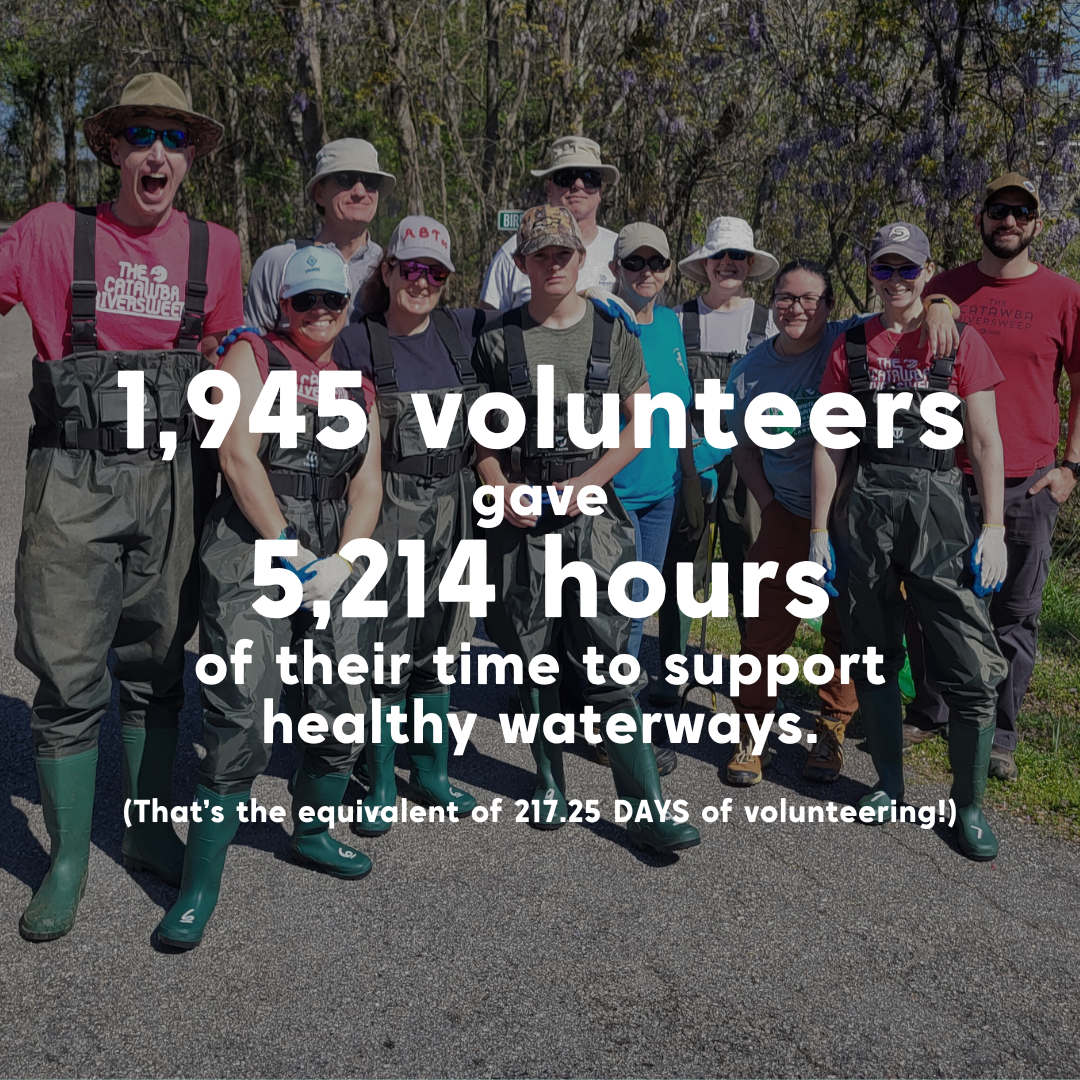
- Provided meaningful volunteer experiences to
1,945 volunteers who served a total of
5,214 hours to support healthy waterways.
Learning about our river
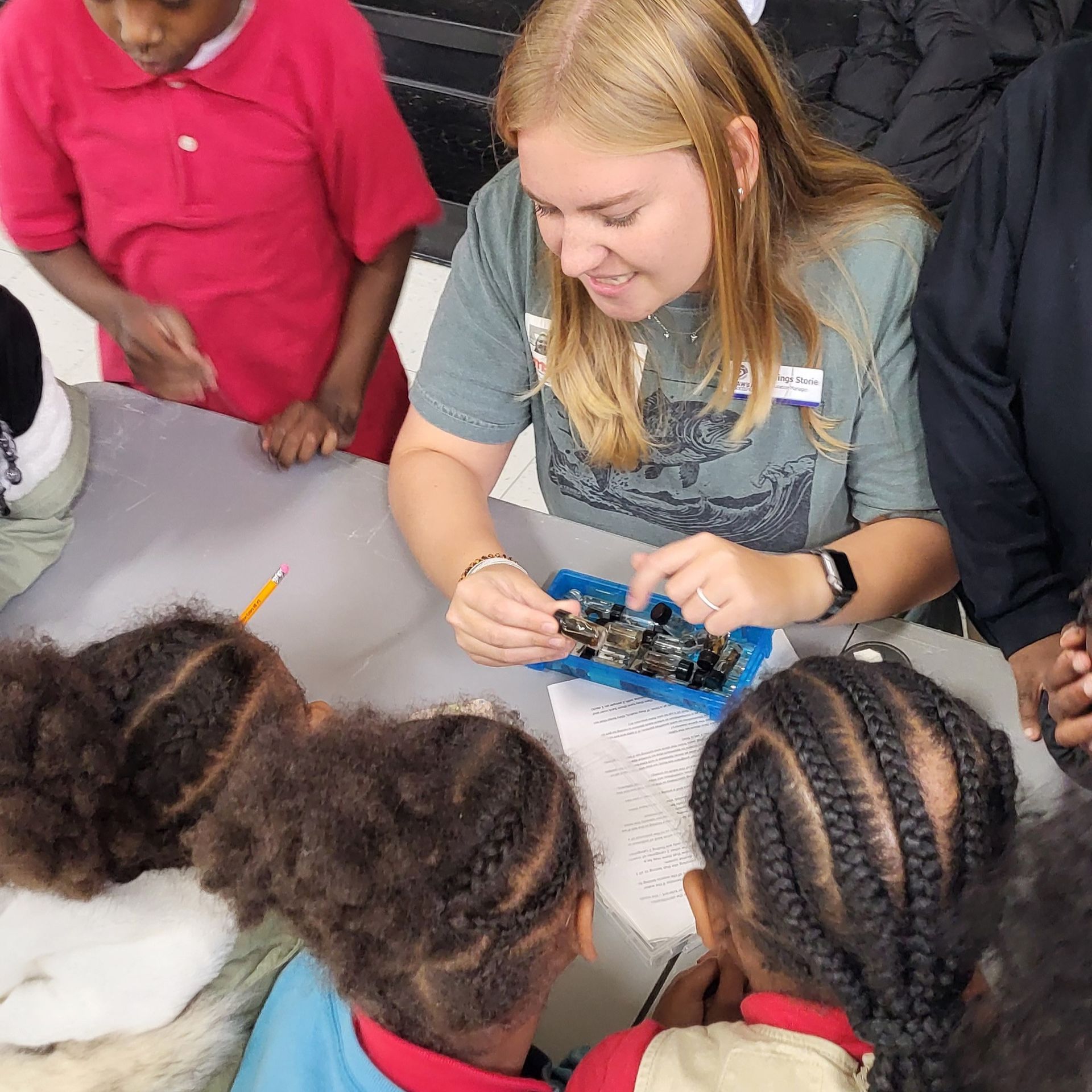
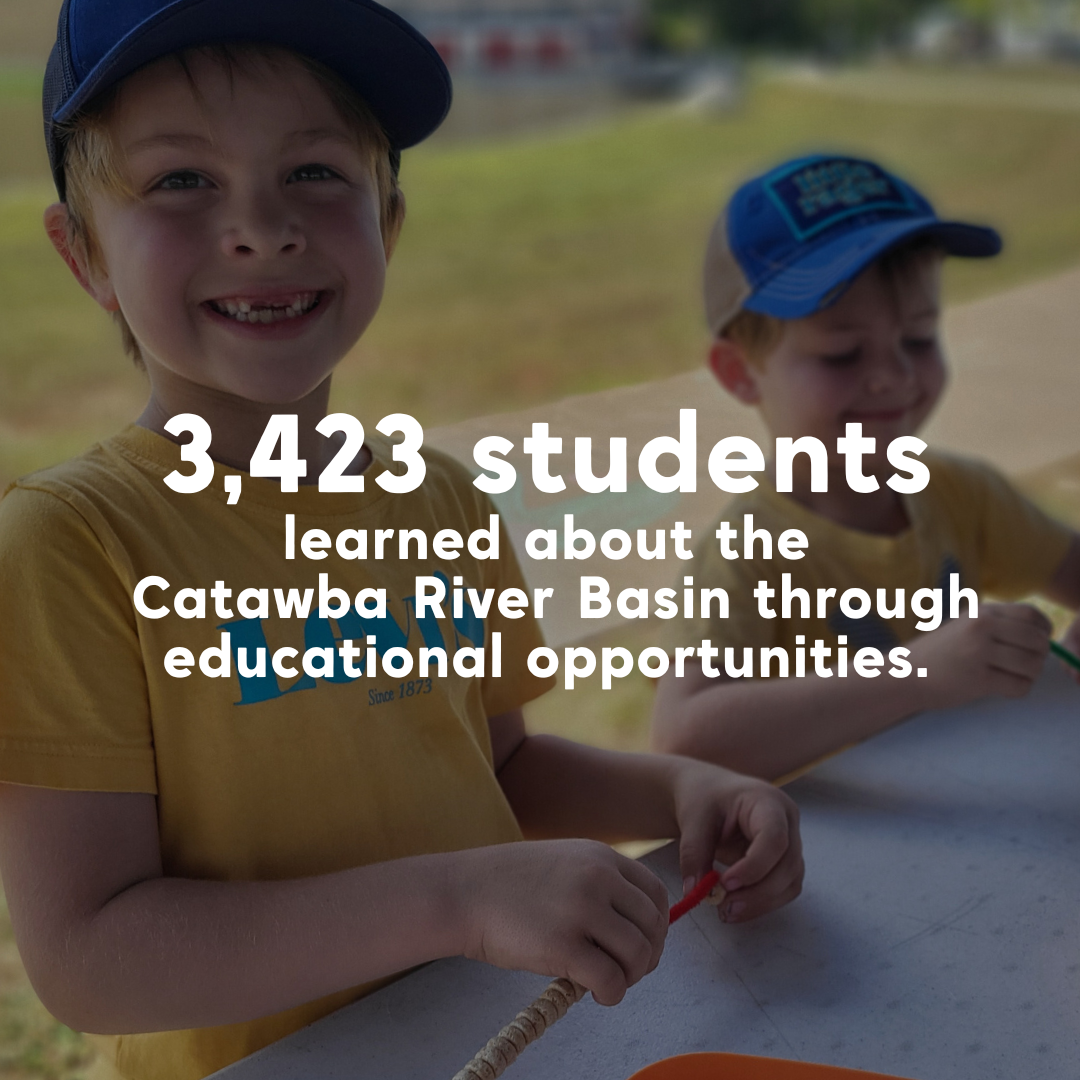
- Provided 3,423 K-12 students the opportunity to learn about the Catawba River Basin through educational programming
- Hosted 308 adults in educational workshops through programs like the Riverkeeper Learning Series (sponsored by Xylem Watermark)
- Provided environmental education and kayaking programs to 264 students through the summer CREEK program (sponsored by Crescent Communities)
Cleaning up our river
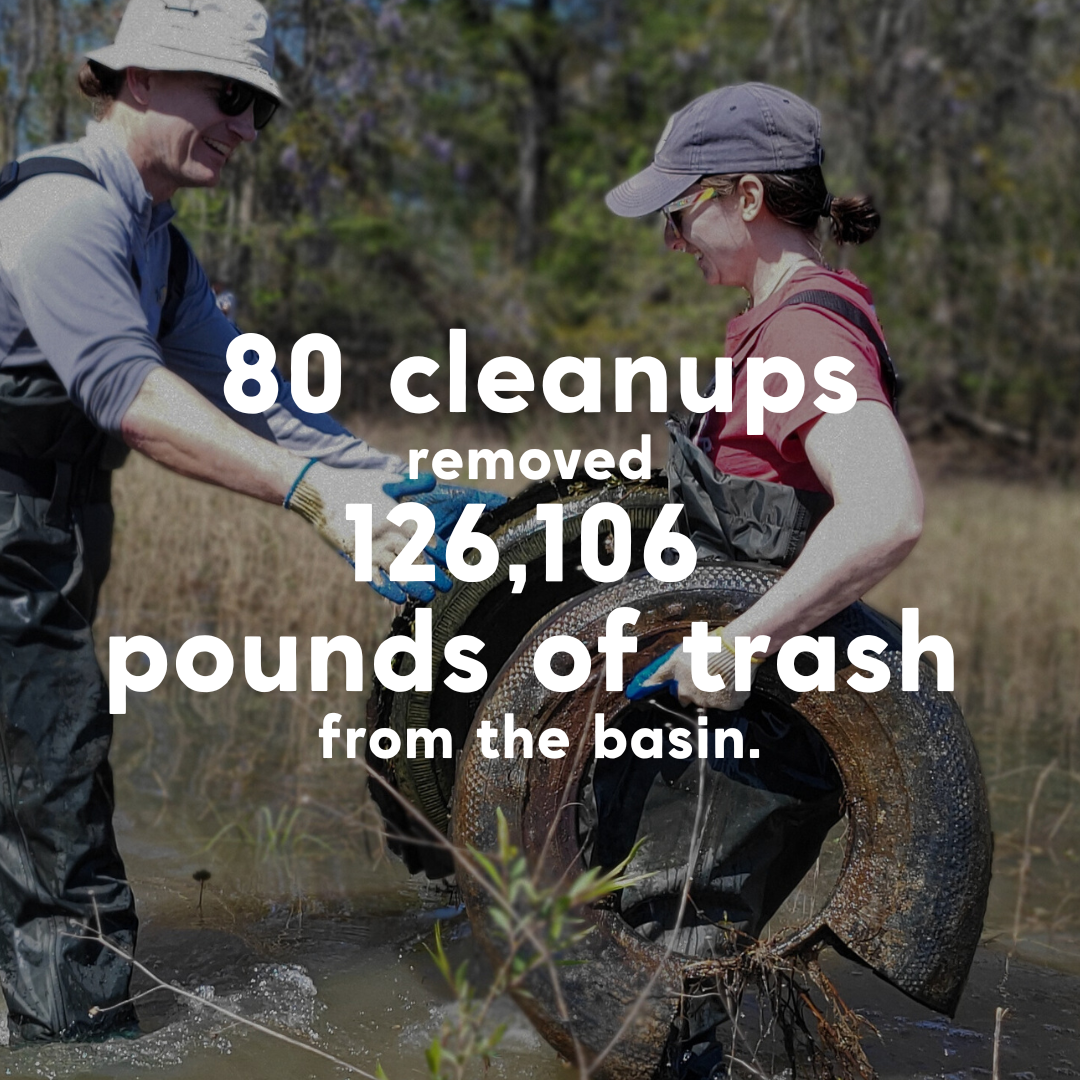
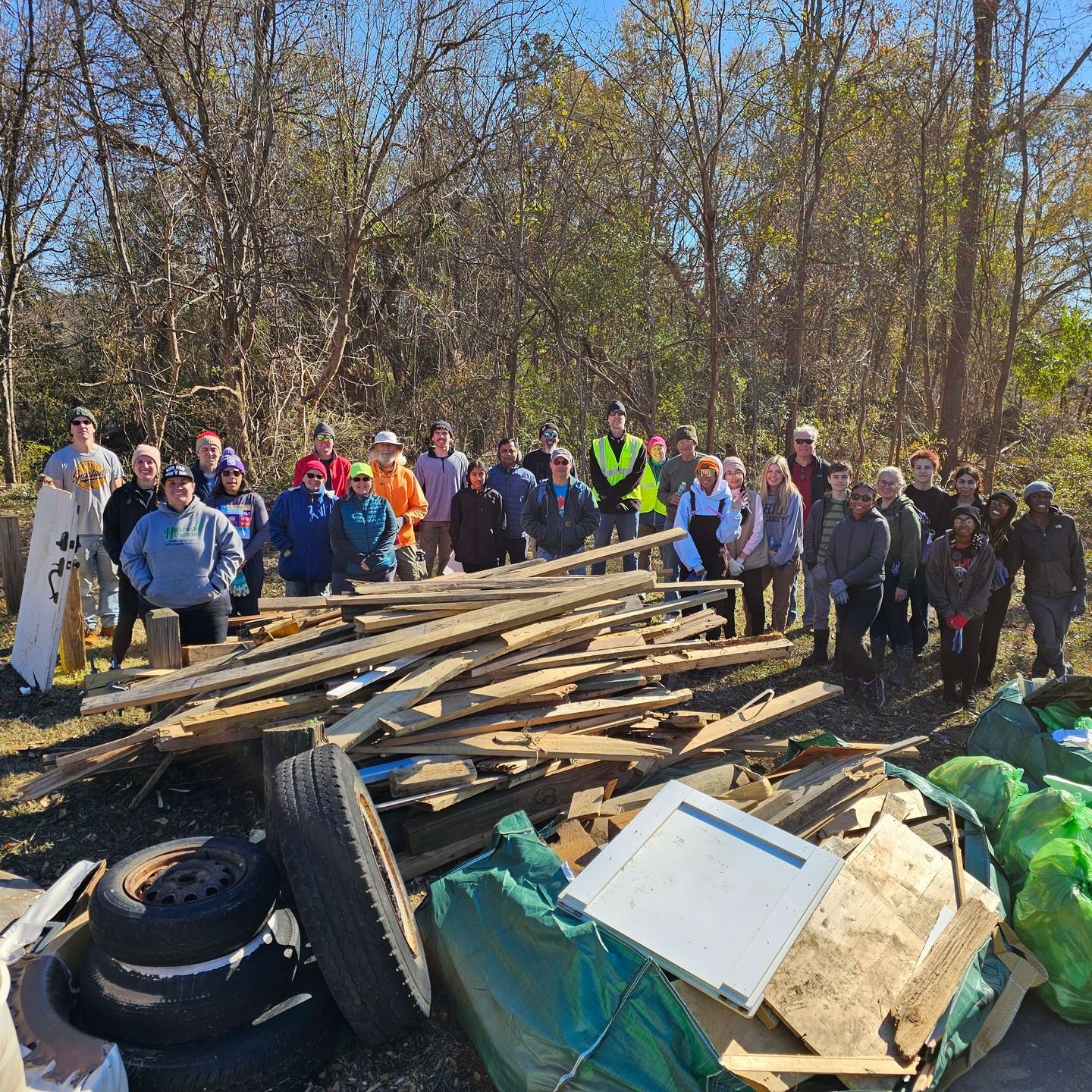
- Removed 661 tires and 126,106 pounds of trash from the Catawba River Basin's waterways and shorelines - a new record for us!
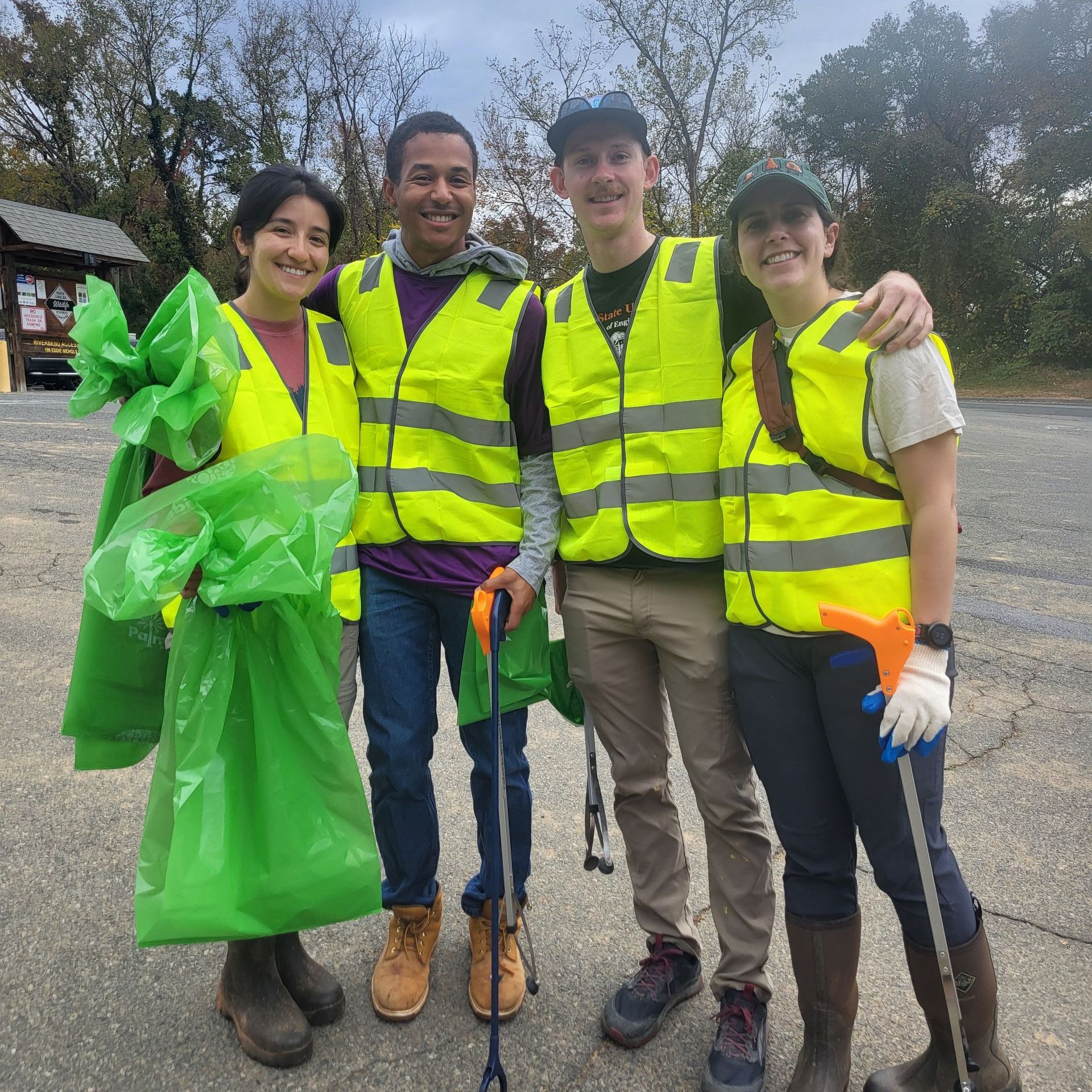
- Hosted 80 cleanup events to provide over a thousand volunteers the opportunity to better their environment.
- Organized 12 cleanups beyond our normal cleanup season to help restore our basin in the wake of Hurricane Helene.
Growth in the Catawba Riverkeeper community
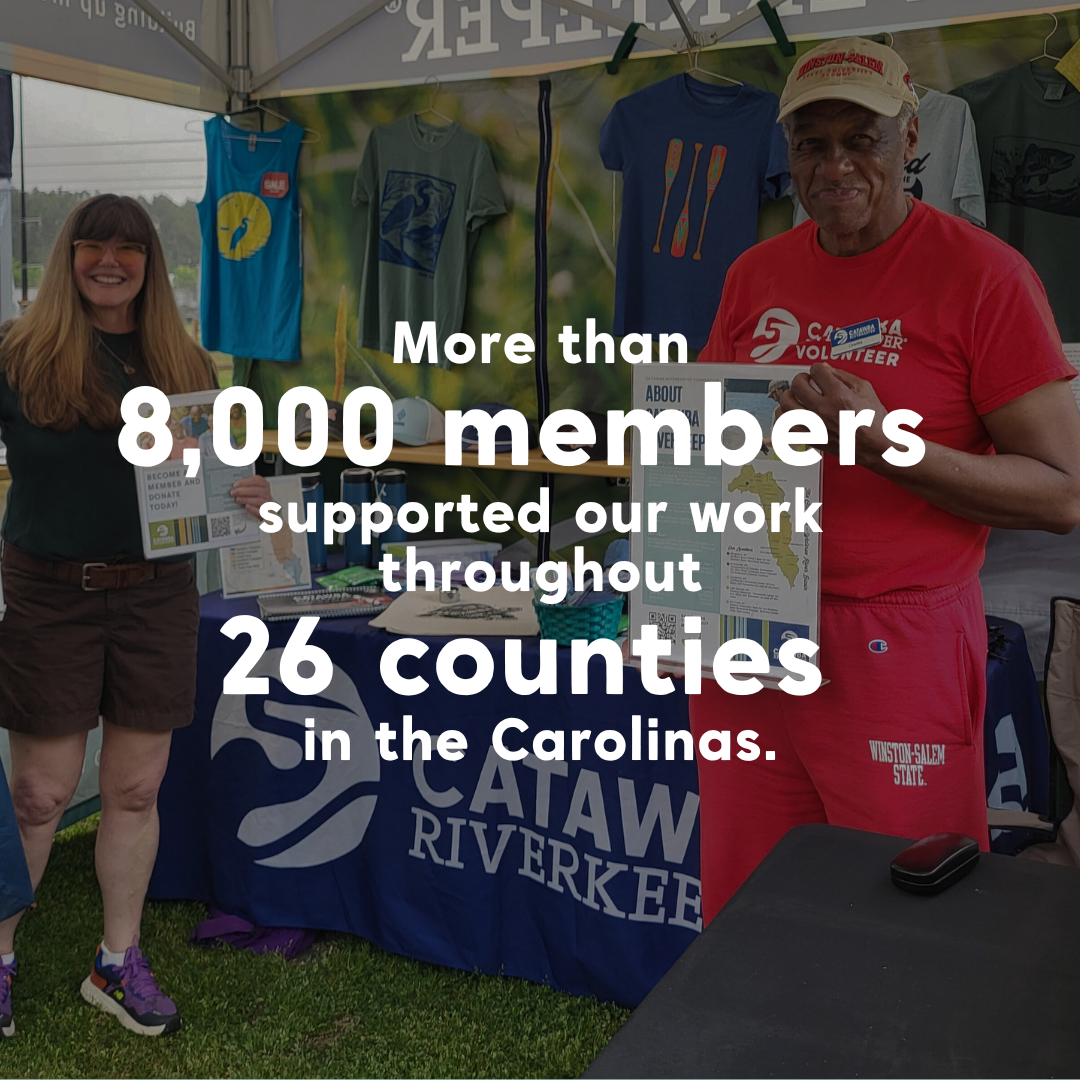
- Over 8,000 members supported our work throughout 26 counties across North Carolina and South Carolina.
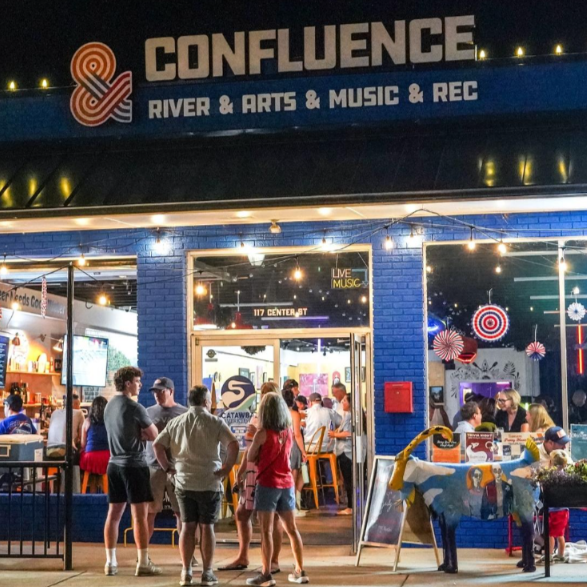
- Had 16,040 unique transactions at our retail locations (The River Room, Confluence, and The Boathouse) and online storefront.
- More than 2,000 people attended one of our community events such as Jam at the Dam, Pig Pickin' & Politicin', RiverFest, Fork Fest, and the Christmas Market.
- Saw growth in our social media follower base and email newsletter list.
Look back on 2024 with Catawba Riverkeeper staff
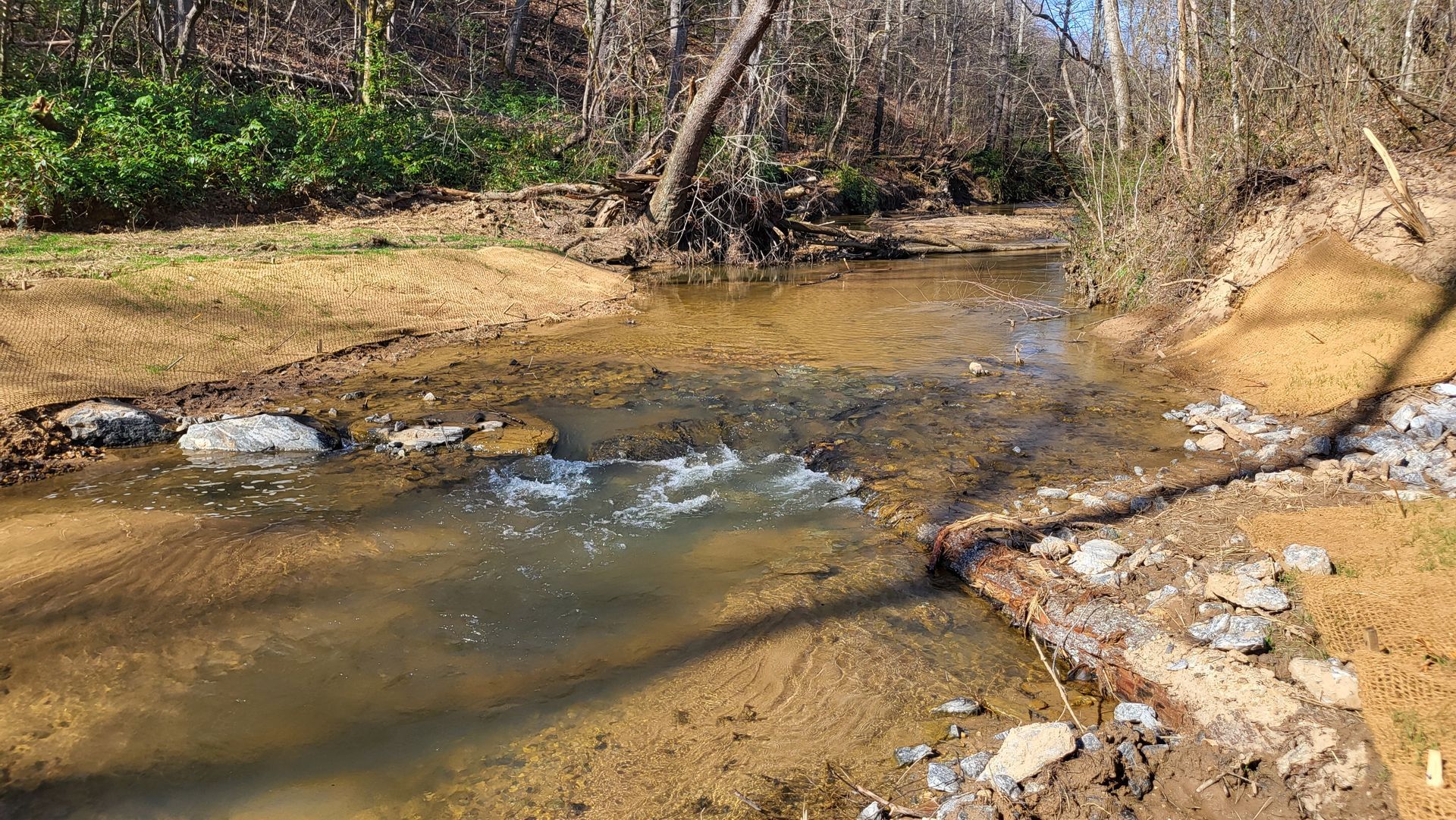
Foothills Conservancy of NC and Catawba Riverkeeper Complete First Phase of Landmark Canoe Creek Restoration at Oak Hill Community Park and Forest
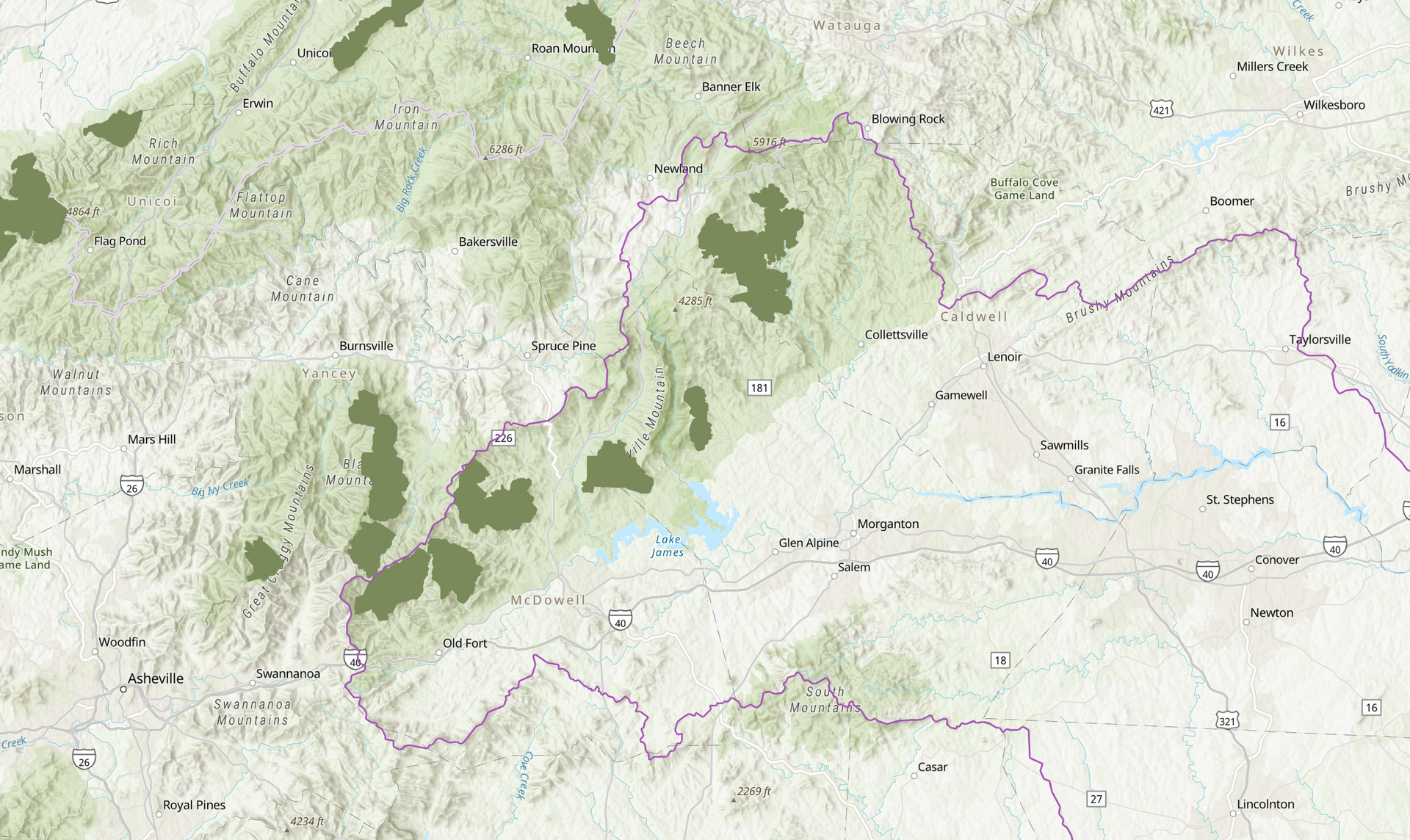
Now Is the Time to Speak Up for Our Forests & Rivers
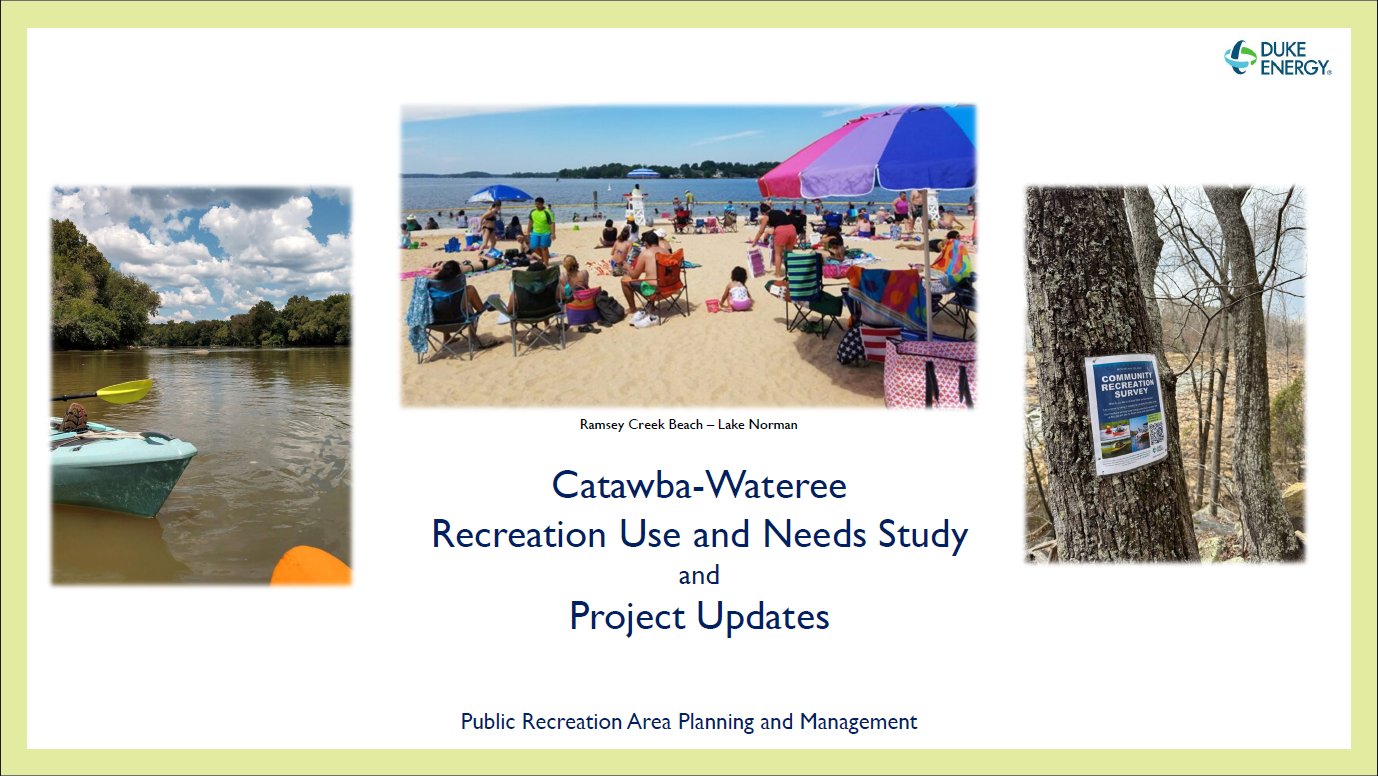
Earlier this month, the Catawba-Wateree Relicensing Coalition hosted their Summer Meeting at Confluence South Fork in Cramerton, NC. During the meeting, attendees received updates on projects occurring in the Catawba-Wateree River Basin, including: Updates from Duke Energy on recreation, invasive species, shoreline management, and the current drought. Highlights from the latest Integrated Water Resources Plan including recommendations for ongoing and future management of our river system. Regional project updates throughout the river basin. You can view the slide decks shared at the meeting by clicking on the links below: Catawba Riverkeeper Update CWWMG Integrated Water Resources Plan Catawba-Wateree Relicensing Coalition Shoreline Management Plan Catawba-Wateree Relicensing Coalition Brief History Catawba-Wateree Recreation Use and Needs Study and Project Updates