Summer 2023 Internships Are Here!
Internship postings for the summer of 2023 are now open!
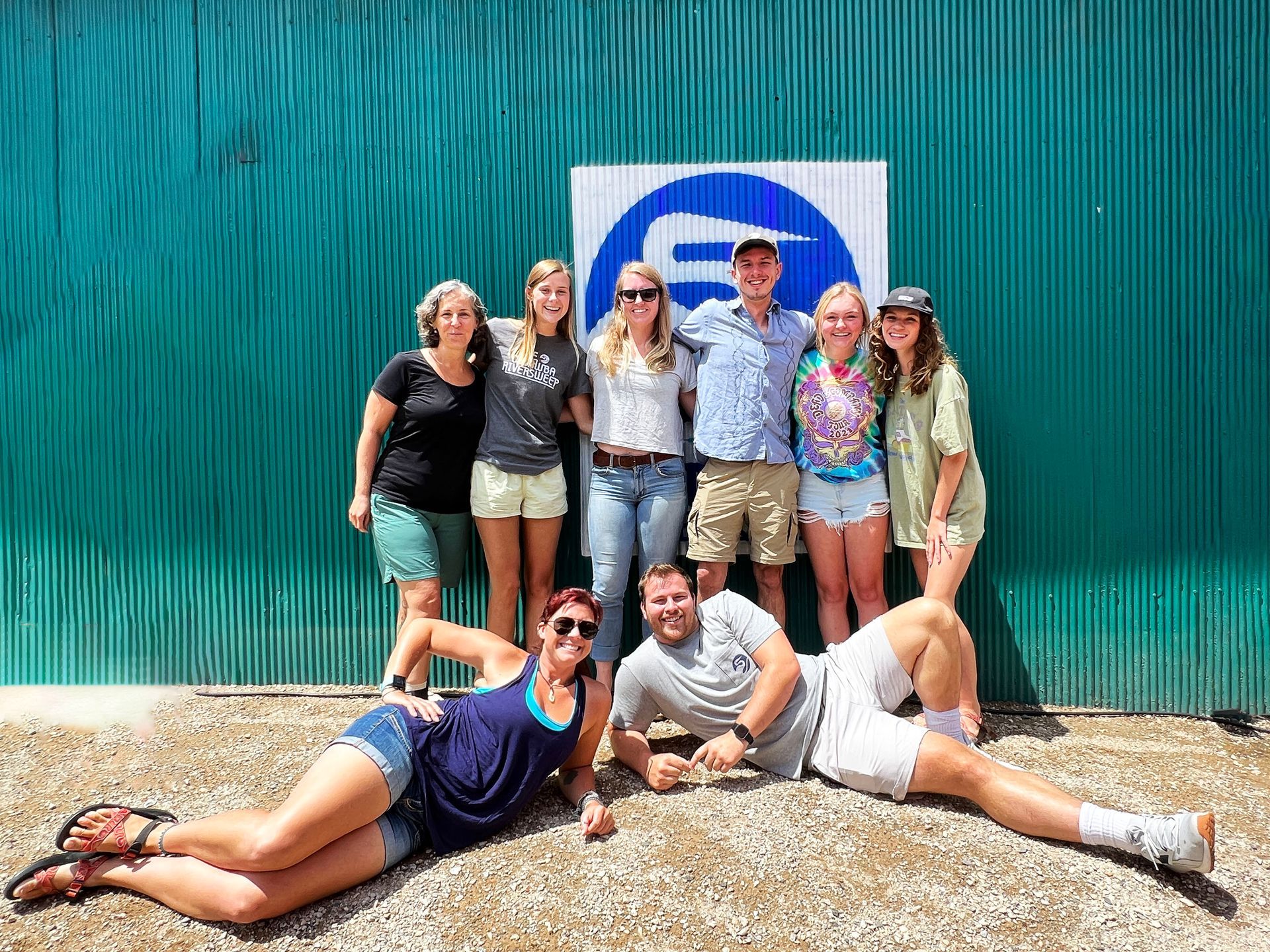
It’s that time of year again! Catawba Riverkeeper is looking for a new group of summer interns to not only help us in our mission to preserve, protect, and restore the waters of the Catawba-Wateree River Basin, but to gain valuable experience, knowledge, and insight into the day-to-day operations of a non-profit organization.
Internships give students valuable hands-on experience in their chosen field. With Catawba Riverkeeper, our interns will not only have an office experience, but will have on-the-water training as a part of their time with us!
With several different options for internships, we have opportunities for students from several different disciplines. Check out our list of available internship tracks:
Riverkeeper Intern (2 positions available): Riverkeeper Interns will have a unique opportunity with an internship working both indoors analyzing data and outdoors with field work. Work will include analyzing pollution data, managing projects leading to direct policy change, assisting with waterway patrols, collecting samples in the field, and running laboratory equipment.
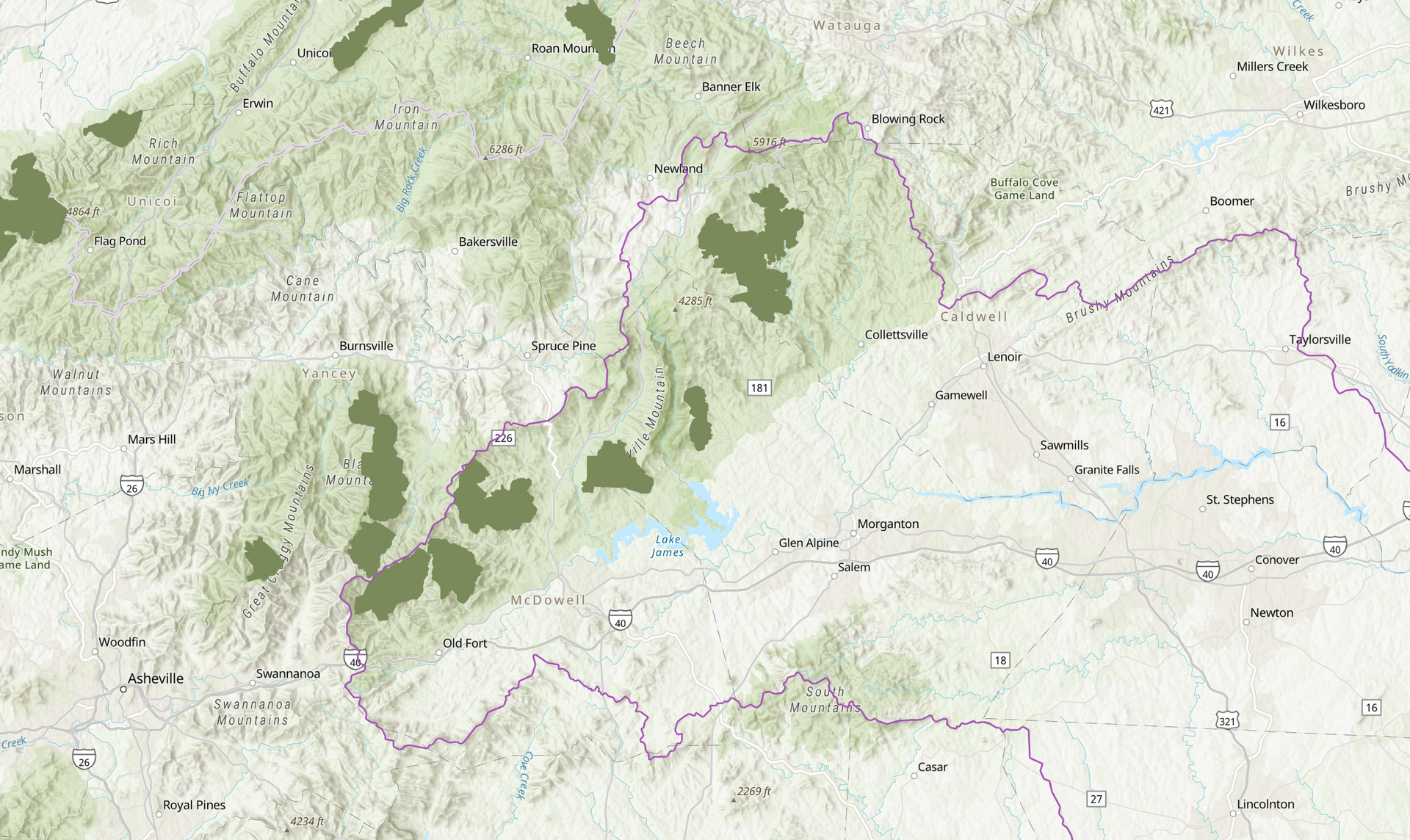
Northern Basin Intern (1 position available): The Northern Basin Intern will assist with analyzing pollution data, managing projects leading to direct policy change, assisting with waterway patrols, collecting samples in the field, and running laboratory equipment. On Thursdays and Fridays, the Northern Basin Intern will help collect weekly bacterial data of water samples from across the Northern Catawba River Basin (Lake James, Lake Rhodhiss, Lake Hickory, and Lookout Shoals Reservoir).
Southern Basin Intern (1 position available): The Southern Basin Intern will assist with analyzing pollution data, researching for projects leading to direct policy change, assisting with waterway patrols, collecting samples in the field, and running laboratory equipment. Interns will learn how to collect samples, prepare them for analysis, and track sources of pollutants they identify. Each Thursday and Friday, the intern will help with Swim Guide by traveling across the Southern Catawba River Basin to collect and return water samples for bacterial data from both Lake Wylie and Lake Wateree.
Community Outreach Intern (1 position available): The Community Outreach Intern will hold a dynamic position in the summer of 2023. They are responsible for assisting with volunteer and community science programs, as well as completing a keystone project during their internship.
Environmental Education Intern (1 position available): The EE Intern will assist with camp and summer programs, as well as day-to-day activities alongside the Education Manager. As an educator, the intern will be expected to lead Riverkeeper programs using provided curriculum. They will also be responsible for Animal Ambassador Care including the maintenance and upkeep of the native fish tank and turtle aquarium and provide regular enrichment for the animals. They will assist the Education Manager with program planning, execution, and evaluation. As needed, the intern will help with our Floating Classroom programs on Lake Norman.
Marketing & Events Intern (1 position available): The Marketing and Events intern will work with the Catawba Riverkeeper Community team to plan, design, and execute the organization’s marketing campaign strategies and assist with the planning and execution of special events. The intern will work towards increasing public engagement with Catawba Riverkeeper through the creation of digital content (primarily social media, email, and website), and will play a key supporting role in organizing and executing special events.
Engagement Intern (1 position available): The Engagement Intern will hold a dynamic position in the summer of 2023. They will support a variety of on-the-water recreation programs and initiatives set forth by the Protect Team. Main duties will include helping execute on-the-water recreation, education, and cleanup programs, supporting logistical distribution and maintenance of paddling equipment, gathering water samples, water quality, and recreation data, and curating photo and video content to support Protect Team and Marketing projects.
Are you, or someone you know, interested in applying for one of our summer internships? You can find full descriptions of each position, as well as instructions for applying on our Jobs and Internships page.
We can’t wait for another summer spent with a vibrant community of student leaders!